
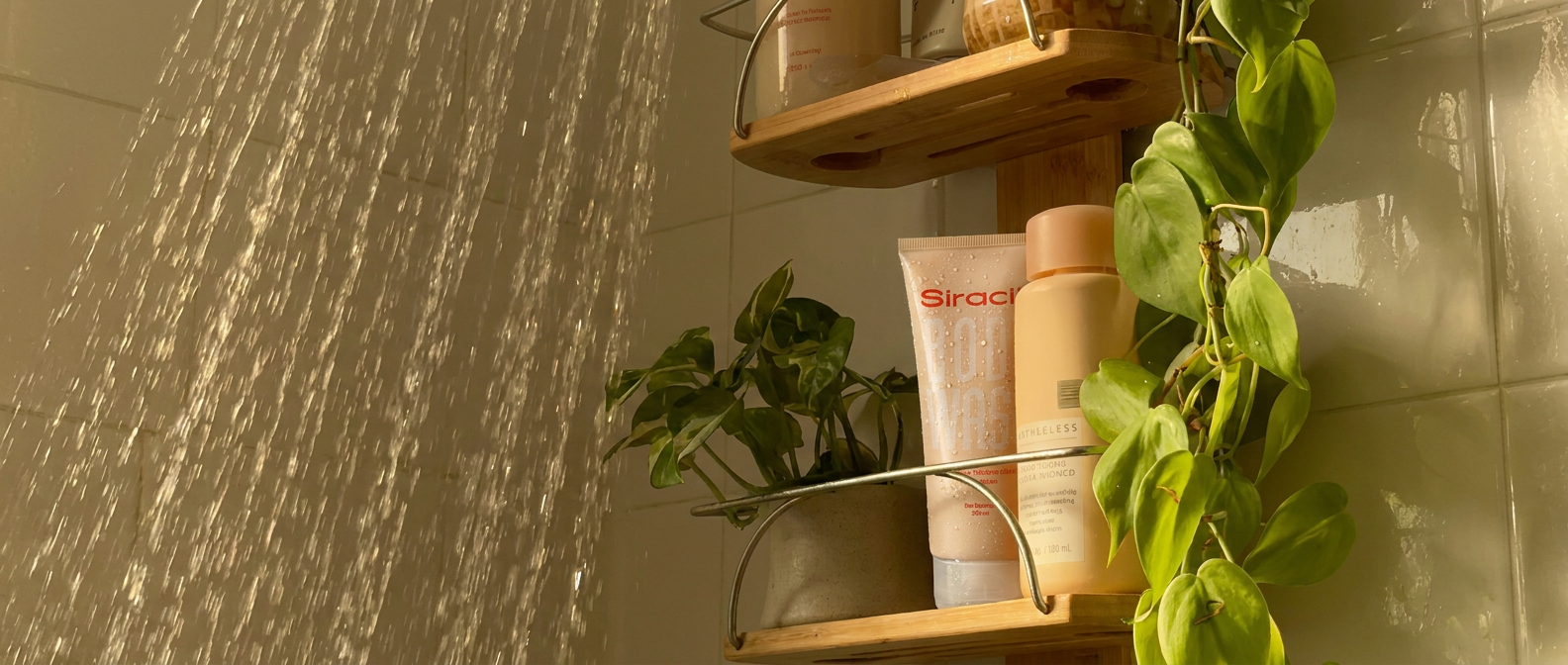
Hot Showers and Dry Skin: Is There A Connection?
There is something undeniably comforting about a hot shower, especially when the weather starts getting cooler. After a long day, standing under warm water can feel relaxing and soothing.
But if your skin has started feeling tight, dry or uncomfortable after bathing, your shower temperature may be worth looking at.
So, can hot showers contribute to dry skin?
The short answer is yes. Very hot or prolonged showers can contribute to dryness by affecting the skin’s natural oils and moisture barrier. This doesn’t mean you have to give up your relaxing shower altogether. Small changes to your bathing routine can help your skin stay comfortable while you still enjoy your shower.
Let’s understand the connection.
Why Can Hot Water Make Skin Feel Dry?
Your skin has a natural protective barrier made up of lipids, natural moisturising factors and other components that help maintain hydration and protect the skin from environmental stressors.
This barrier also helps reduce excessive moisture loss from the skin.
When you spend a long time in very hot water, some of the skin’s natural oils can be removed. For people who already have dry or sensitive skin, this may leave the skin feeling tight or uncomfortable after bathing.
You may notice:
- Tightness immediately after your shower
- Rough or flaky patches
- Increased dryness on the arms and legs
- Skin that feels less comfortable throughout the day
- Occasional dryness-related itching
The effect can be more noticeable during cooler, drier months, when the environment itself can contribute to moisture loss.
Hot Water Vs Warm Water: Does Temperature Matter?
Yes. There’s a difference between comfortably warm water and water that is uncomfortably hot. While everyone’s preferred temperature is different, if the water feels very hot against your skin or leaves your skin visibly red afterwards, it may be time to turn the temperature down.
A comfortably warm shower can still feel relaxing without exposing your skin to excessive heat. You don’t have to take a cold shower to protect your skin. The goal is simply to avoid unnecessarily hot water.
The Longer the Shower, the More Your Skin May Feel It. Temperature isn’t the only factor. The length of your shower also matters. A long shower means prolonged exposure to water, heat and cleansing products. If you combine a long, very hot shower with vigorous scrubbing or a harsh cleanser, your skin may feel particularly dry afterwards.
Instead of spending a long time under hot water, try keeping your shower comfortably warm and reasonably short. Your skin doesn’t need a marathon shower to get clean.
What Happens to Your Skin Barrier?
Think of the skin barrier as part of your skin’s natural defence system.
It helps keep moisture where it belongs while supporting the skin’s ability to protect itself from everyday environmental factors.
When the barrier becomes disrupted, the skin may lose moisture more easily and become dry, rough or uncomfortable.
Hot showers aren’t the only factor that can affect the barrier. Other contributors can include:
- Harsh cleansing products
- Excessive exfoliation
- Very dry weather
- Frequent washing
- Long, hot baths
- Scrubbing the skin aggressively
This is why managing dryness is not simply about applying more moisturiser. Your entire cleansing routine matters.
Your Post-Shower Routine Matters Too
What you do after your shower can make a difference.
Many people dry themselves completely before applying moisturiser. Instead, gently pat your skin dry and apply a suitable moisturiser while the skin is still slightly damp.
This can help support your skin’s moisture levels and leave it feeling softer and more comfortable.
Avoid rubbing the towel vigorously over your skin, particularly if your skin is already dry or sensitive.
Pat, don’t scrub. Moisturise, don’t wait.
Choose Your Bodywash Carefully
The cleanser you use can also influence how your skin feels after bathing. A cleanser should help remove sweat, dirt and excess oils without leaving your skin feeling excessively tight or stripped.
If your skin consistently feels uncomfortable immediately after a shower, consider whether your cleanser may be too harsh for your skin. A gentle body wash can be a better choice for everyday cleansing, particularly if your skin tends to become dry or sensitive.
The goal isn’t to remove every trace of oil from your skin. Your skin needs some of its natural components to maintain its protective barrier.
What About Scrubbing?
When skin feels rough, it can be tempting to scrub harder. But aggressive scrubbing isn’t the answer to every dry-skin concern. Using a rough loofah or exfoliating vigorously can add unnecessary friction to already-dry skin. If your skin is feeling particularly sensitive or uncomfortable, focus on gentle cleansing and moisturisation rather than trying to scrub away the dryness.
Healthy-looking skin doesn’t need to feel squeaky clean.
Why Is Winter Showering More Challenging?
Hot showers become particularly tempting during cooler weather.
At the same time, colder and drier air can make skin more prone to dryness. Spending more time indoors with heating or air conditioning may also affect the environment around your skin.
This combination can create a cycle:
Cold weather → hot showers → increased dryness → tighter skin → more discomfort.
Breaking the cycle can be as simple as adjusting your shower temperature and strengthening your moisturisation routine.
A Simple Shower Routine for Dry Skin
You don’t need a complicated routine. Try these simple steps:
- Keep the water comfortably warm
Avoid water that feels excessively hot.
- Keep your shower reasonably short
There’s no need to spend extended periods under running water.
- Use a gentle cleanser
Choose a body wash that cleans effectively without leaving your skin feeling stripped.
- Be gentle with your skin
Avoid vigorous scrubbing, especially on dry or sensitive areas.
- Pat your skin dry
Use a soft towel and avoid rubbing aggressively.
- Moisturise soon after bathing
Apply a suitable moisturiser while your skin is still slightly damp.
- Give extra attention to dry areas
Areas such as the elbows, knees, arms and legs may need additional moisturising care.
Can You Still Enjoy a Hot Shower?
Of course.
Skincare isn’t about eliminating everything you enjoy. It’s about finding a balance that works for your skin. If you love a warm, relaxing shower, simply avoid making the water excessively hot and try not to stay under it for too long. Pair this with gentle cleansing and regular moisturisation.
Small adjustments can make your routine much more skin-friendly.
Listen to What Your Skin Is Telling You
Your skin often gives you clues when something in your routine isn’t working.
If your skin feels tight immediately after bathing, looks flaky or becomes increasingly uncomfortable during cooler weather, your shower routine may be one factor worth reconsidering.
The solution doesn’t have to be complicated.
- Turn down the temperature.
- Keep showers comfortable and concise.
- Cleanse gently.
- Pat, don’t rub.
- Moisturise regularly.
Because a good shower should leave you feeling refreshed—not like your skin has been stripped of everything that keeps it comfortable.
A Little Less Heat. A Little More Skin Comfort.
Hot showers may feel good in the moment, but your skin may prefer something gentler.
As the seasons change and the air becomes drier, making a few simple changes to your bathing routine can help support your skin barrier and maintain everyday comfort.
Sometimes, better skincare isn’t about adding another product.
It’s simply about changing the way you shower.