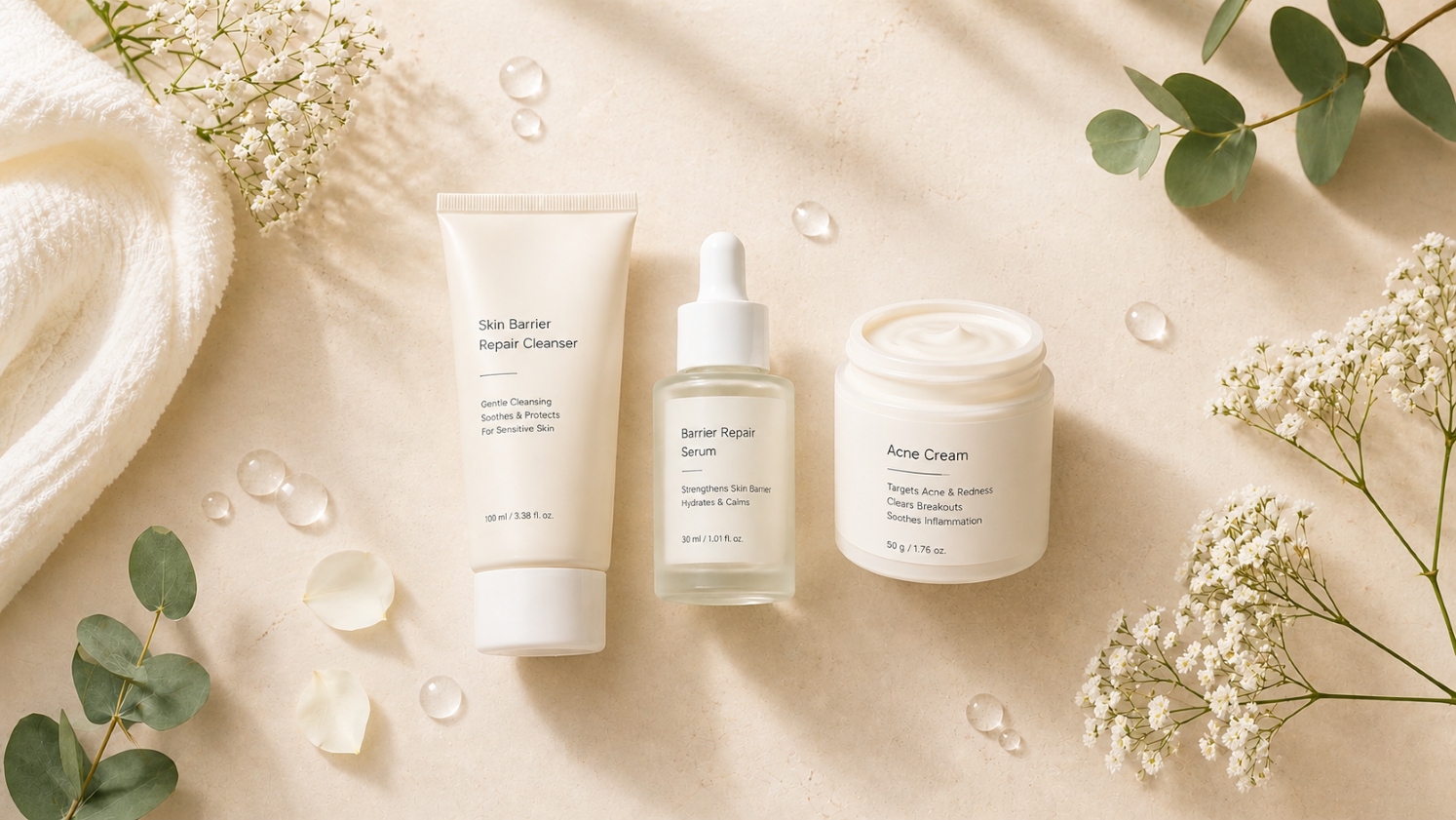
Acne Explained: Why It Happens, What Makes It Worse, And How To Care For Your Skin

Acne Explained: Why It Happens, What Makes It Worse, And How To Care For Your Skin

Acne is one of the most common skin concerns across all age groups. While it’s often associated with teenagers, adults can experience it too—sometimes even more persistently. The key to managing acne isn’t just treating breakouts, but understanding why they happen and how everyday habits can make a difference.

WHAT IS ACNE?

Acne is a skin condition that occurs when hair follicles (pores) become clogged with oil, dead skin cells, and sometimes bacteria. This leads to different types of breakouts—whiteheads, blackheads, pimples, and deeper cystic acne.

WHY DOES ACNE HAPPEN?

Acne isn’t caused by just one factor—it’s usually a combination of internal and external triggers.

  1. Excess Oil Production

Your skin naturally produces oil (sebum) to stay hydrated. But when your sebaceous glands go into overdrive, excess oil can clog pores.

  1. Clogged Pores

Dead skin cells don’t always shed properly. When they mix with oil, they form a plug—creating the perfect environment for acne.

  1. Bacteria Growth

A bacteria called Cutibacterium acnes thrives in clogged pores, leading to inflammation, redness, and pus filled breakouts.

  1. Hormonal Changes

Hormones—especially androgens—can increase oil production. This is why acne is common during puberty, menstrual cycles, pregnancy, or stress.

  1. Inflammation

Inflammation is your skin’s response to irritation, bacteria, and clogged pores. It’s what turns a small clog into a painful, red pimple.

WHAT MAKES ACNE WORSE?

Even if your skin is acne prone, certain habits and triggers can intensify breakouts.

  1. Over Cleansing or Harsh Products Using strong cleansers or scrubbing too hard can strip your skin, making it produce more oil to compensate.
  2. Touching or Picking at Acne This spreads bacteria and increases inflammation—leading to more breakouts and even scarring.
  3. Comedogenic Products Heavy creams, oils, or makeup that clog pores can worsen acne. Always look for noncomedogenic formulas.
  4. Stress Stress increases cortisol levels, which can trigger oil production and inflammation.
  5. Diet (in some cases) High sugar or high glycemic foods may worsen acne for some individuals by affecting insulin levels.
  6. Poor Hygiene Habits Dirty pillowcases, phones, and makeup brushes can transfer bacteria back onto your skin.

HOW TO CARE FOR ACNE PRONE SKIN

Managing acne isn’t about aggressive treatment—it’s about consistent, balanced care.

  1. Cleanse Gently, Twice Daily Use a mild, pH balanced cleanser to remove oil, dirt, and impurities without stripping your skin.
  2. Don’t Skip Moisturizer Even oily, acne prone skin needs hydration. A lightweight, noncomedogenic moisturizer helps maintain the skin barrier.
  3. Use Targeted Ingredients

Look for ingredients like:

  • Salicylic Acid (unclogs pores)
  • Niacinamide (reduces inflammation)
  • Azelaic Acid (calms acne and redness)
  • Barrier repair ingredients (to strengthen skin)
  1. Protect Your Skin Barrier

A damaged skin barrier can worsen acne. Focus on soothing and repairing your skin—not just drying out pimples.

  1. Apply Sunscreen Daily

Sun exposure can worsen acne marks and inflammation. Choose a lightweight, nongreasy sunscreen.

  1. Be Consistent, Not Aggressive

Quick fixes often backfire. Stick to a routine and give products time to work.

WHEN SHOULD YOU SEE A DERMATOLOGIST?

If your acne is:

 Persistent or severe

 Painful or cystic

 Leaving scars

…it’s best to consult a dermatologist for targeted treatments.


Acne is complex, but manageable. Instead of fighting your skin, the goal is to support it—reduce triggers, maintain balance, and strengthen your skin barrier over time.

Healthy skin isn’t about perfection—it’s about resilience.
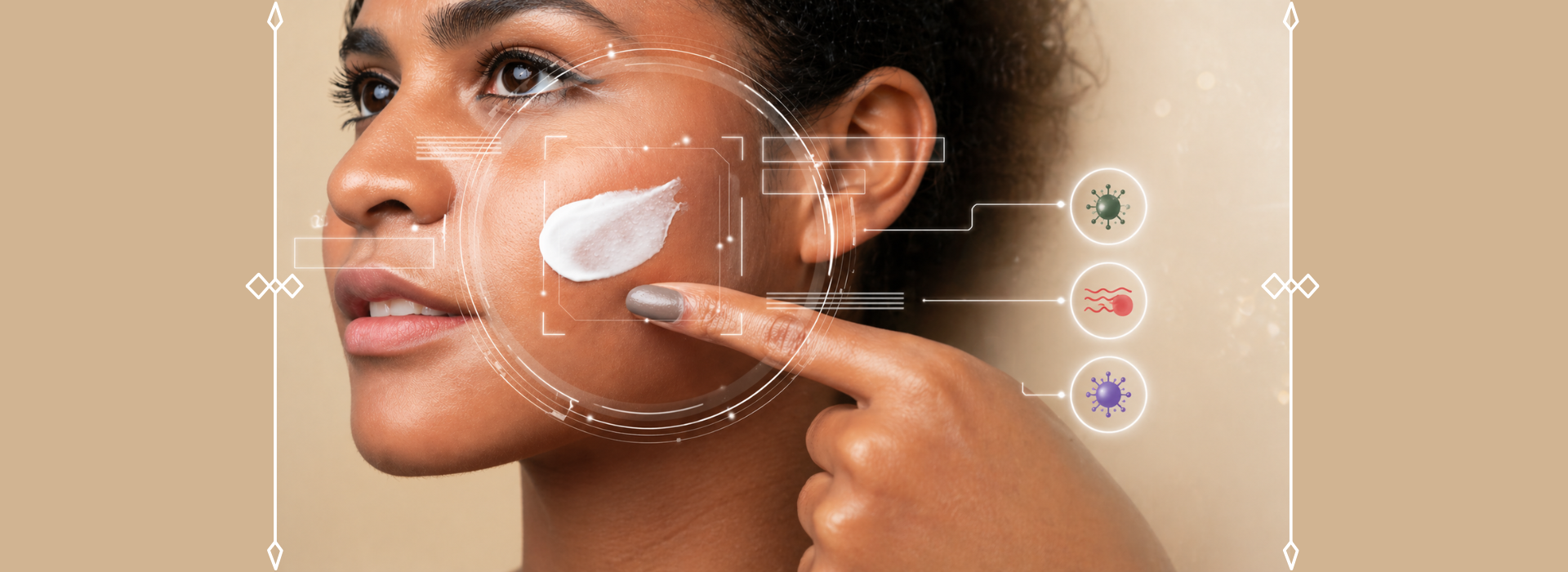
What Is Palmitoylethanolamide (PEA) In Skincare?

What Is Palmitoylethanolamide (PEA) In Skincare?

In the evolving world of skincare, certain ingredients stand out not because they are trendy, but because they work quietly and effectively beneath the surface. One such ingredient gaining attention is Palmitoylethanolamide (PEA).

Known for its soothing and anti-inflammatory properties, PEA is becoming a valuable addition to skincare routines—especially for those dealing with acne-prone, sensitive, or irritated skin.

But what exactly is PEA, and why is it being called a game-changer in modern skincare?

What Is Palmitoylethanolamide (PEA)?

Palmitoylethanolamide, often referred to as PEA, is a naturally occurring lipid compound found in the body. It belongs to a group of molecules that help regulate inflammation and cellular balance.

In simple terms, PEA works as a skin-calming agent, helping the skin respond better to stress, irritation, and external aggressors.

It is not a harsh active or exfoliant—instead, it supports the skin’s natural ability to protect and repair itself.

How Does PEA Work On The Skin?

PEA works by interacting with the skin’s internal systems that control inflammation and sensitivity.

1. Helps Reduce Inflammation

Inflammation is one of the key drivers of many skin concerns, including acne and redness.

PEA helps calm inflammatory responses, making it especially useful for:

  • Red, irritated skin
  • Acne-related inflammation
  • Sensitive skin conditions

2. Supports the Skin Barrier

A strong skin barrier is essential for healthy skin. When the barrier is compromised, the skin becomes more prone to irritation, dryness, and breakouts.

PEA helps reinforce the skin’s natural protective barrier, allowing it to:

  • Retain moisture
  • Resist environmental stress
  • Heal more efficiently

3. Helps Soothe Acne-Prone Skin

Unlike many acne treatments that can be drying or harsh, PEA works gently to reduce irritation associated with acne.

It does not aggressively strip the skin but instead:

  • Calms redness
  • Reduces discomfort
  • Supports overall skin balance

Why Is PEA Important In Skincare Today?

Modern skincare is shifting from aggressive treatments to barrier-focused care. Instead of over-drying or over-exfoliating the skin, the focus is now on maintaining skin balance and resilience.

This is where PEA stands out.

  • Gentle Yet Effective PEA offers results without causing excessive dryness or irritation, making it suitable for long-term use.
  • Suitable for Sensitive Skin Because of its calming nature, it is well-tolerated by most skin types, including sensitive skin.
  • Supports Long-Term Skin Health Rather than offering a temporary fix, PEA helps improve the skin’s ability to function properly over time.
  • PEA for Acne-Prone Skin Acne is not just about clogged pores—it also involves inflammation, irritation, and imbalance in the skin.

PEA addresses one of the most overlooked aspects of acne: inflammation.

By helping to calm the skin, PEA can:

  • Reduce redness around acne lesions
  • Support healing of the skin
  • Improve overall skin comfort

This makes it an ideal ingredient for people who experience frequent breakouts with sensitivity.

How Is PEA Different From Traditional Acne Ingredients?

Many traditional acne treatments focus on:

  • Drying excess oil
  • Killing bacteria
  • Exfoliating the skin

While these approaches can be effective, they may also:

  • Irritate the skin
  • Disrupt the skin barrier
  • Lead to dryness or sensitivity

PEA takes a different approach.

Instead of aggressively targeting acne, it works by:

  • Calming inflammation
  • Supporting the skin barrier
  • Helping the skin restore balance naturally

This makes it a great complement to other skincare ingredients.

Who Should Use PEA In Skincare?

PEA can benefit a wide range of skin types, but it is especially useful for:

  • Acne-prone skin
  • Sensitive or reactive skin
  • Red or inflamed skin
  • Skin exposed to environmental stress
  • People looking for gentle, non-irritating skincare solutions

How To Incorporate PEA Into Your Routine

PEA is typically found in creams, gels, or serums designed to calm and support the skin.

To get the most out of it:

  • Use it as part of a consistent skincare routine
  • Apply on clean skin
  • Pair with gentle cleansers and hydrating products
  • Avoid combining with overly harsh treatments that may counter its calming effects

The Future Of Skincare: Calm, Balanced, And Barrier-Focused

Skincare is no longer just about quick fixes. The focus is shifting toward long-term skin health, balance, and resilience.

Ingredients like Palmitoylethanolamide represent this shift—offering a way to care for the skin without overwhelming it.

THE BOTTOM LINE

Palmitoylethanolamide (PEA) is a gentle yet powerful skincare ingredient that works by calming inflammation and supporting the skin barrier.

Instead of targeting skin concerns aggressively, it helps the skin heal, protect, and balance itself naturally.

For those dealing with acne, sensitivity, or irritation, PEA offers a more soothing and sustainable approach to skincare—making it an important ingredient in modern formulations.

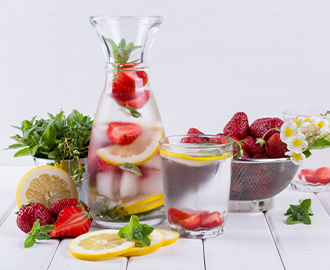
Hydration Elevation: Unlocking Healthy Skin Through Infused Water Detox

Hydration Elevation: Unlocking Healthy Skin Through Infused Water Detox

In the quest for radiant and healthy skin, the answer may lie in the simplest of solutions – infused water detox. This blog delves into the transformative power of infused water in promoting skin health, exploring how a daily dose of hydration infused with the natural detoxifying properties of fruits, herbs, and vegetables can unlock a new level of vitality and radiance.
 
Why Infused Water Detox?
Infused water detox offers a holistic approach to skincare by combining hydration with the potent nutrients and antioxidants found in fruits, herbs, and vegetables. Unlike sugary beverages or artificial drinks, infused water provides pure, refreshing hydration that helps to flush out toxins from the body, leaving the skin clear, bright, and rejuvenated.
 
Simple yet Effective Recipes
Discover a variety of simple yet effective infused water recipes designed to nourish your skin from within. From citrus-infused water with lemon and mint to cucumber and basil blends, each recipe harnesses the natural detoxifying powers of ingredients to promote skin health and vitality. With just a few ingredients and minimal preparation, these recipes are easy to incorporate into your daily routine, ensuring that hydration and detoxification become second nature.

Unlock Lasting Skin Health
By incorporating infused water detox into your daily regimen, you can unlock lasting skin health and vitality. Regular hydration helps to maintain the skin’s natural moisture barrier, preventing dryness, dullness, and signs of aging. Additionally, the antioxidants and vitamins present in infused water support collagen production, promote cell renewal, and protect against environmental damage, resulting in a complexion that glows from the inside out.

Make Infused Water Detox a Daily Ritual
Embrace infused water detox as a daily ritual and watch as your skin transforms before your eyes. Whether you enjoy a refreshing glass first thing in the morning, throughout the day, or as a post-workout pick-me-up, infused water detox is a simple yet powerful way to nourish your skin and enhance your overall well-being. With a little creativity and experimentation, you can tailor infused water recipes to suit your taste preferences and skincare goals, making hydration a delicious and enjoyable part of your routine.

Infused water detox offers a natural and effective solution for promoting radiant, healthy skin from the inside out. By incorporating simple infused water recipes into your daily routine, you can harness the transformative power of hydration and detoxification to unlock a complexion that radiates vitality and beauty. Cheers to your skin’s health and vitality with every sip of infused water!

Clear skies, Clear Skin – Summer Skincare guide for Acne Warriors

Clear skies, Clear Skin – Summer Skincare guide for Acne Warriors

Discover how to enjoy a flawless summer complexion without compromising your skin’s well-being. 

As the summer sun beckons, those with acne-prone skin may dread the potential for breakouts. Fear not! This blog is your compass to navigate the summer without compromising your skin’s health or beauty. With expert advice and product recommendations, you’ll learn how to enjoy the sunshine while keeping breakouts at bay. 

Summer Skincare Secrets for Acne-Prone Skin: your guide to a flawless complexion

Gentle Cleansing : Cleanse your skin twice daily with a mild, non-drying cleanser to remove sweat, oil, and impurities without stripping away natural oils. 

Sun Protection : Shield your skin from harmful UV rays by applying a broad-spectrum sunscreen with SPF 30 or higher. Look for non-comedogenic formulas to prevent clogged pores. 

Lightweight Moisturizer : Opt for oil-free, non-comedogenic moisturizers to hydrate your skin without adding excess oil. Palmitoylethanolmide (PEA) and Niacinamide [(Vitamin B3)   based moisturizers can provide lightweight hydration ideal for summer. Siracilt Ultrarmoist – beyond preserving skin moisture, it also upholds the integrity and function of the skin’s protective barrier. 

Furthermore, it safeguards the underlying skin tissues, shielding them from physical harm and infections. 

Breakout-Busting Ingredients : Incorporate Skincare products containing acne-fighting ingredients like Azelaic Acid (AzA) and or Niacinamide to target blemishes and prevent future breakouts. 

Hydration is Key : Stay hydrated by drinking plenty of water throughout the day. Hydrated skin is less prone to inflammation and acne flare-ups. 

With the right skincare routine and product choices, acne-prone skin can thrive even under the summer sun. Embrace these tips and recommendations to maintain a flawless complexion while enjoying the warmth and brightness of summer. Remember, consistency and gentleness are key to nurturing your skin’s health and beauty year-round.

Soothing Solutions: Non-Steroidal Cosmetics for Itch Management 

Soothing Solutions: Non-Steroidal Cosmetics for Itch Management 

In the realm of skincare, the sensation of itching can be both discomforting and distressing. Whether caused by allergies, eczema, or other skin conditions, finding relief without resorting to steroid-based treatments is a priority for many individuals. Enter non-steroidal cosmetic options, which offer gentle yet potent formulations to effectively manage itching and provide soothing comfort for sensitive skin conditions. 

Understanding the Itch 

Itching, also known as pruritus, is a common symptom experienced by individuals with various skin ailments. It can manifest as a mild annoyance or become severe enough to disrupt daily activities and impact quality of life. While steroid-based treatments are often prescribed to alleviate itching, they may come with undesirable side effects such as skin thinning, discoloration, and increased risk of infection. As a result, the demand for non-steroidal alternatives has surged in recent years. 

The Rise of Non-Steroidal Cosmetics 

Non-steroidal cosmetic options have emerged as a promising solution for managing itching without the drawbacks associated with steroid-based treatments. These products leverage gentle yet effective ingredients to provide relief from itchiness and soothe irritated skin. From creams and lotions to serums and balms, non-steroidal cosmetics offer a variety of formulations tailored to address different skin concerns and sensitivities. 

Key Ingredients for Itch Management 

Several key ingredients play a pivotal role in the formulation of non-steroidal cosmetics for itch management. Ingredients like; Palmitoylethanolamide (PEA) and Peppermint Oil are renowned for their soothing properties and ability to calm irritated skin. PEA helps to provide analgesic (pain relief), anti-inflammatory (reduce swelling), anti-itching and soothing effect.

Additionally, ceramides and ingredients like Urea help to lock in moisture, promoting optimal hydration. Urea helps to repair skin barrier, increases hydration, minimize water loss, increase lipid synthesis.

Benefits of Non-Steroidal Cosmetics 

One of the primary advantages of non-steroidal cosmetics is their ability to provide effective itch relief without the risk of adverse side effects associated with steroid-based treatments. These products are suitable for individuals of all ages and skin types, including those with sensitive skin or underlying health conditions. Non-steroidal cosmetics offer a gentle yet potent approach to managing itching, allowing individuals to enjoy greater comfort and improved skin health. 

Choosing Non-Steroidal Cosmetics 

When selecting non-steroidal cosmetics for itch management, it is essential to consider several factors to ensure optimal effectiveness and compatibility with your skin. Look for products that are fragrance-free, hypoallergenic, and dermatologist-tested to minimize the risk of irritation or allergic reactions. Read the ingredient list carefully and avoid products containing potential allergens or harsh chemicals that may exacerbate itching or sensitivities. 

SIRACILT ITCH 

SIRACILT ITCH a groundbreaking non-steroidal cosmetic for managing itching. Key ingredients include Palmitoylethanolamide (PEA), Urea, and Peppermint oil, ideal for skin barrier integrity. SIRACILT ITCH offers anti-inflammatory properties, repairs and restores lipid layers, and enhances cream properties, providing a 360-degree approach to skin itching without side effects. 

Introducing Siracilt UltraMoist Lotion

Self-care for itch 

  • Moisturizing skin regularly  
  • Wearing sunscreen  
  • Using sensitive skin products (ex. Detergent and Soap to lessen skin irritation) 
  • Avoiding hot baths  
  • Avoiding fabrics causing skin irritation (Ex. Wool, synthetic clothes) 
  • Placing ice wrapped towel on affected area 

Non-steroidal cosmetic options represent a promising frontier in the management of itching and skin irritations. With their gentle yet potent formulations, these products offer effective relief without the undesirable side effects associated with steroid-based treatments. By exploring the diverse range of non-steroidal cosmetics available, individuals can discover soothing solutions tailored to their unique skincare needs and enjoy greater comfort and confidence in their skin. 

References: 

  1. JEADV 2008, 22, 73–82 
  2. Dermatol Ther (Heidelb) (2021) 11:1905–1915 

Unlocking the Secrets of Body Moisturizers: Essential Tips for Skin Health

Unlocking the Secrets of Body Moisturizers: Essential Tips for Skin Health

In the pursuit of radiant and healthy skin, body moisturizers play a pivotal role in maintaining hydration, nourishment, and overall skin vitality. From preventing dryness to enhancing skin texture, the significance of body moisturizers cannot be overstated. Let’s delve into why body moisturizers are essential for promoting skin health and resilience, with a spotlight on Siracilt UltraMoist lotion.

Hydrating and Nourishing the Skin

Body moisturizers serve as a vital source of hydration for the skin, replenishing lost moisture and restoring its natural balance. As our skin is constantly exposed to environmental stressors such as harsh weather conditions and pollutants, it is susceptible to dryness and dehydration. Moisturizers infuse the skin with essential nutrients and humectants, locking in moisture and creating a protective barrier against external aggressors. This hydration is crucial for maintaining skin elasticity, suppleness, and overall vitality.

Preventing Dryness and Maintaining Barrier Function

Dry skin not only feels uncomfortable but can also compromise the skin’s barrier function, leading to increased sensitivity and susceptibility to irritants. Body moisturizers help prevent dryness by replenishing the skin’s lipid barrier, which traps moisture and prevents water loss. By maintaining optimal hydration levels, moisturizers support the skin’s natural defenses, reducing the risk of irritation, inflammation, and premature aging. Regular moisturizing is key to preserving the skin’s barrier function and promoting long-term skin health.

Retaining Moisture and Improving Skin Texture

Consistent use of body moisturizers helps the skin retain moisture throughout the day, ensuring a soft, smooth, and supple complexion. Moisturizers with emollients and occlusive help seal in moisture and restore the skin’s lipid balance, resulting in improved skin texture and radiance. Hydrated skin appears more youthful and vibrant, with diminished fine lines and wrinkles. By incorporating moisturizers into your daily skincare routine, you can enjoy visibly smoother and healthier-looking skin.

Introducing Siracilt UltraMoist Lotion


Siracilt UltraMoist lotion stands out as a superior choice for hydrating and nourishing the skin, thanks to its innovative formula. Infused with hydrating ingredients like Palmitoylethanolmide [(PEA) and Niacinamide [(Vitamin B3), Siracilt UltraMoist lotion provides intense and long-lasting moisture for all skin types. Siracilt UltraMoist lotion group exhibited almost a two-fold improvement in hydration levels compared to the negative control, highlighting its exceptional efficacy in replenishing and revitalizing the skin.

Promoting Overall Skin Health and Resilience

Beyond hydration, regular use of body moisturizer promotes overall skin health and resilience. By fortifying the skin’s moisture barrier and enhancing its natural defenses, moisturizers help shield against environmental aggressors and maintain a healthy skin microbiome. Well-hydrated and nourished skin is better equipped to combat oxidative stress, UV damage, and pollution, resulting in a more resilient and youthful complexion. With consistent moisturizing, you can unlock the full potential of your skin and embrace its inherent vitality.

In conclusion, body moisturizers play a crucial role in maintaining skin health and vitality. By hydrating, nourishing, and protecting the skin, moisturizers help prevent dryness, improve texture, and reduce the risk of irritation and inflammation. With the introduction of innovative formulations like Siracilt UltraMoist lotion, achieving radiant and healthy skin has never been easier. Incorporate body moisturizers into your daily skincare routine and experience the transformative benefits for yourself

Journey to Radiant Skin: A Guide to Skincare for Acne-Prone Skin

Journey to Radiant Skin: A Guide to Skincare for Acne-Prone Skin

Embark on a journey towards clear, glowing skin with our comprehensive guide to skincare for acne-prone skin. Say goodbye to stubborn breakouts and hello to confidence as we explore effective routines, product recommendations, and expert tips to help you achieve the complexion you have always dreamed of. Join us as we introduce Siracilt Acne, your trusted ally in the fight against blemishes and skin imperfections.

Understanding Acne-Prone Skin

Acne-prone skin can be a challenging condition, characterized by clogged pores, inflammation, and frequent breakouts. Understanding the underlying causes, such as excess oil production, bacteria, hormonal fluctuations, and inflammation, is crucial in developing an effective skincare routine tailored to your skin’s unique needs.

Effective Skincare Routine

A consistent skincare routine is essential for managing acne-prone skin. Start with gentle cleansing to remove dirt, oil, and impurities without stripping the skin’s natural moisture barrier. Follow up with a targeted treatment containing ingredients like Azelaic Acid (AzA) which works as the attacking agent, Niacinamide (Vitamin B3), which helps in reducing acne scars while also moisturizing and Lactoferrin rich in Antimicrobial properties. Finish with a lightweight, oil-free moisturizer to hydrate and protect the skin without clogging pores.

When selecting skincare products for acne-prone skin, opt for non-comedogenic formulas that will not exacerbate breakouts. Look for ingredients like Azelaic Acid and Niacinamide known for their acne-fighting and skin-clearing properties. Consider incorporating a gentle exfoliant into your routine to slough off dead skin cells and prevent pore congestion. Additionally, do not forget to use a broad-spectrum sunscreen daily to protect your skin from harmful UV rays, which can worsen acne and cause post-inflammatory hyperpigmentation.

Recommendations for Clear Skin

In addition to a consistent skincare routine, several lifestyle factors can affect the health of your skin. Maintain a balanced diet rich in fruits, vegetables, and whole grains, and limit consumption of processed foods and sugary snacks, which can contribute to inflammation and breakouts. Practice stress-management techniques such as meditation, yoga, or deep breathing exercises to reduce stress levels, as stress hormones can trigger acne flare-ups. Lastly, avoid touching your face throughout the day to minimize the spread of bacteria and prevent new breakouts from forming.

Introducing Siracilt Acne

Say hello to clear, radiant skin with Siracilt Acne, your ultimate solution for banishing breakouts and achieving a flawless complexion. Formulated with clinically proven ingredients and backed by scientific research, Siracilt products target acne at its source, effectively reducing inflammation, unclogging pores, and preventing future breakouts. From gentle cleansers and clarifying toners to spot treatments and moisturizers, Siracilt offers a comprehensive range of skincare solutions tailored to your individual needs.

Embark on your journey to radiant skin with confidence, armed with the knowledge and tools to conquer acne-prone skin once and for all. By adopting effective skincare routines, incorporating expert tips, and incorporating Siracilt acne products into your regimen, you can achieve the clear, glowing complexion you have always desired. Say goodbye to blemishes and hello to newfound confidence as you embrace the beauty of healthy, radiant skin.

Decoding your skin’s tale – Chapter 2

Decoding your skin’s tale – Chapter 2

Having explored the diverse spectrum of skin types previously, we now journey into the world of skin issues. Join us as we unravel the common challenges and concerns that can affect various skin types, guiding you toward a deeper understanding and effective solutions.”

Unraveling Skin Woes: Causes and Associations

Acne: Oily and combination skin types often face a higher risk of acne because of excess sebum production. This excess oil can clog pores, leading to the formation of acne. The T-zone in combination skin, being particularly oil-prone, is a frequent site for acne outbreaks, necessitating targeted care and routine.

Dryness:  Dry skin issues can be triggered by a variety of factors. Environmental elements like cold, dry weather and low humidity strip moisture from the skin, leading to dryness. Harsh skincare products containing alcohol or strong fragrances can further exacerbate this condition by disrupting the skin’s natural barrier. Internally, genetics play a significant role in determining skin type; some people are naturally predisposed to having drier skin. Additionally, hormonal changes and aging can also reduce the skin’s ability to retain moisture, leading to dryness and sometimes, sensitivity.

Oiliness:  Oily skin often results from overactive sebaceous glands producing excess oil. This condition can be influenced by hormonal changes, such as during puberty, menstruation, or stress, which stimulate oil production. Genetics also play a crucial role; as oily skin tendencies can be inherited. These factors collectively contribute to the skin’s oily nature.

Redness and Sensitivity: Sensitive skin is highly reactive to irritants, allergies, and environmental aggressors like pollution and extreme temperatures. This reactivity often manifests as redness, itching, or burning sensations, causing significant discomfort. Such skin types require gentle care and protection to minimize adverse reactions and maintain skin health.

By comprehending the nuanced relationship between skin types and common issues, you’ll empower yourself to craft a personalized skincare regimen, nurturing your skin to its fullest potential.

Decoding your skin’s tale – Chapter 1

Decoding your skin’s tale – Chapter 1

Welcome to the incredible narrative of skin health, where understanding your skin type is the first chapter in a beautiful journey. Your skin, much like a fingerprint, is unique and deserves a tailored approach to care. Let’s embark on an enlightening exploration of the five fundamental skin types: normal, oily, dry, combination, and sensitive.

Unveiling Skin Variations: The Basics

Normal Skin: The gold standard of skin types, characterized by balanced moisture, minimal pores, and an absence of significant concerns.

Oily Skin: A complexion prone to excess sebum production, leading to a shiny appearance, enlarged pores, and a predisposition to acne.

Dry Skin: Often identified by flakiness, tightness, and a lack of natural oils, requiring hydration to restore moisture balance.

Combination Skin: A blend of oily and dry regions, where some areas might be oil-prone (like the T-zone) while others tend to be drier.

Sensitive Skin: Easily irritated by various factors—environmental, cosmetic, or even stress—resulting in redness, itchiness, or discomfort.

As we conclude this exploration of skin types—normal, oily, dry, combination, and sensitive—we’re eager to delve deeper into personalized care for each. Stay tuned for our upcoming insights on tailored skincare routines to nurture and celebrate your unique skin type. Your skin’s story continues, and we’re here to guide you through its next chapters.