
How To Prevent Winter Dehydration: Hydrate Your Skin & Choose The Right Moisturizer

How To Prevent Winter Dehydration: Hydrate Your Skin & Choose The Right Moisturizer

Winter feels cozy—warm blankets, hot coffee, and chilly evenings. But while the season is comforting, it can be harsh on your skin. If you’ve noticed dryness, tightness, dullness, or flaky patches during colder months, you’re not alone. Winter dehydration is one of the most common seasonal skin issues, and it happens even to people with oily or combination skin.


The good news? With the right routine and a truly hydrating moisturizer, you can protect your skin barrier, lock in moisture, and keep your skin looking smooth and healthy all winter long. Let’s understand why winter dehydration happens and how you can prevent it effectively.


WHAT IS WINTER DEHYDRATION (AND WHY DOES IT HAPPEN)?

Winter dehydration doesn’t just mean “dry skin.” Dry skin is a skin type, while dehydrated skin is a condition—meaning any skin type can become dehydrated when it loses water.

During winter, your skin struggles to hold onto moisture due to multiple factors:

  • Cold, dry air outside reduces humidity and pulls moisture from your skin.
  • Indoor heating dries the air even more, making your skin lose hydration faster.
  • Hot showers feel amazing but strip natural oils from the skin.
  • Lack of sunscreen (yes, even in winter!) weakens the skin barrier over time.
  • Not moisturizing enough or using the wrong kind of moisturizer worsens dehydration.


When your skin is dehydrated, it often shows signs like:

  • Tightness after washing.
  • Rough texture
  • Flakiness or patchy dryness
  • Dullness and lack of glow
  • Fine lines appearing more visible
  • Itchiness or irritation

The key to solving this is not only applying “something creamy,” but choosing products that truly hydrate and strengthen the skin barrier.


Step 1: Hydrate from Within (Because Skin Reflects Your Body)

Before focusing on products, it’s important to remember: skin hydration begins inside your body.

Here are simple winter-friendly habits that make a visible difference:

Drink water—even when you don’t feel thirsty

In winter, thirst signals reduce, but your body still needs hydration. Keep a bottle nearby and sip through the day.

Include water-rich foods

Add foods like cucumber, oranges, amla, tomatoes, soups, watermelon (if available), and coconut water (in moderation).

Limit dehydrating triggers

Too much caffeine, very salty snacks, and alcohol can increase water loss and make skin look duller. Hydrating from within won’t replace moisturizer, but it makes your skin respond better to skincare.


Step 2: Use Gentle Cleansers That Don’t Strip Your Skin

One of the biggest winter skincare mistakes is using a face wash that makes your skin feel “squeaky clean.” That tight feeling after cleansing is actually a sign your skin barrier is being stripped.

Choose a gentle cleanser that:

  • Is non-foaming or mildly foaming.
  • Has a creamy or hydrating texture.
  • Is fragrance-free (especially if skin gets irritated in winter).
  • Doesn’t leave skin feeling tight after rinsing.
  • Also, avoid washing your face too many times a day. Once in the morning and once at night is enough.


Step 3: The Best Time to Moisturize Is Right After Washing

Here’s a quick rule that works for every skin type:

Moisturize within 30 seconds after washing your face. This is when skin is still slightly damp and can hold moisture better. If you wait too long, water evaporates from the skin’s surface and dehydration gets worse. Apply your moisturizer immediately to “seal” hydration in.


Step 4: Choose a Hydrating Moisturizer (Not Just a Heavy Cream)

Many people assume winter skincare means using the thickest cream possible. But thickness doesn’t always equal hydration.

A truly hydrating moisturizer should do two important jobs:

1) Hydrate the skin

Meaning: increase the water content in the skin.

Look for ingredients like:

  • Hyaluronic acid (attracts water and plumps skin).
  • Glycerine (deep hydration + improves skin softness).
  • Panthenol (soothes irritation and supports barrier repair).
  • Aloe Vera (calms dryness and tightness).
  • Palmitoylethanolamide (PEA) – The Superhero.
  • Niacinamide [(Vitamin B3) – The friendly coach.


2) Lock in the moisture

Meaning: stop water loss from the skin (called TEWL – transepidermal water loss).

Look for barrier-supporting ingredients like:

  • Ceramides (repair and strengthen the barrier)
  • Squalene (smooth, lightweight moisture)
  • Shea butter (nourishing and protective in winter)
  • Fatty acids (help skin feel comfortable and supple)

A great winter moisturizer often combines both hydration + barrier repair.


Step 5: Match Your Moisturizer to Your Skin Type

Even though everyone needs hydration in winter, your moisturizer choice should suit your skin type for best results.

  • For oily or combination skin Go for lightweight hydrating formulas that don’t feel greasy, such as gel-cream textures. Look for hyaluronic acid + glycerine + ceramides.
  • For dry skin Use richer creams that support barrier repair with ceramides, shea butter, and nourishing lipids. Dry skin benefits from layering too.
  • For sensitive skin Pick fragrance-free, minimal ingredient formulas with soothing ingredients like panthenol or ceramides. Avoid strong actives when skin is irritated.


Step 6: Upgrade Your Routine with Smart Winter Habits

Small habits can drastically reduce winter dehydration:

  • Take shorter, lukewarm showers: Hot water strips natural oils, making your skin drier. Keep showers comfortable, not steaming hot.
  • Use a humidifier at night: This adds moisture to indoor air and reduces dryness. If you don’t have a humidifier, even placing a bowl of water near a heat source can help slightly.
  • Don’t skip sunscreen: UV rays can still damage the skin barrier in winter. A broad-spectrum SPF keeps your skin healthier long-term.

Apply moisturizer on the body immediately after bathing

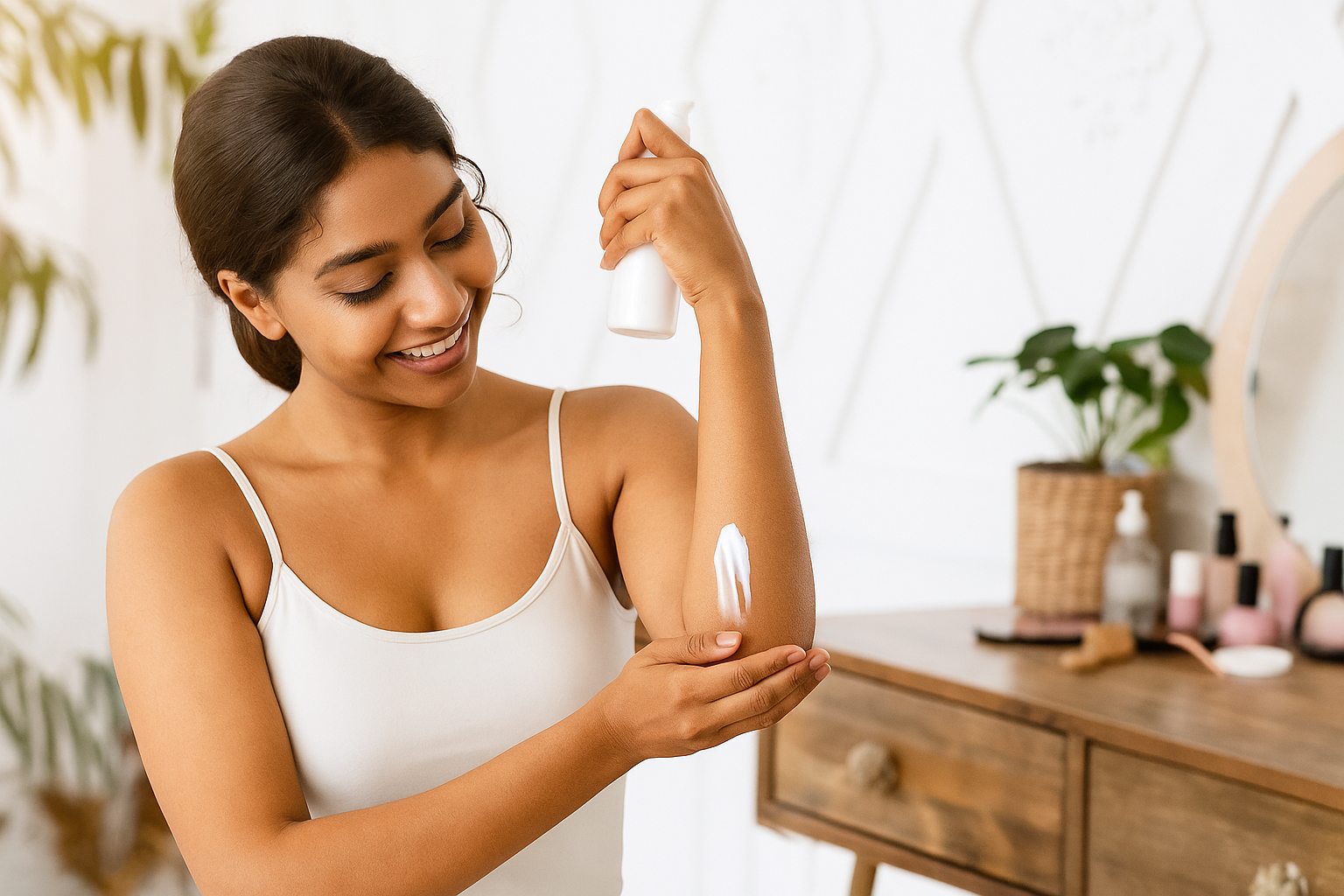
Winter body dehydration is real too—especially on elbows, knees, and legs. Apply body lotion or cream while skin is slightly damp.


Step 7: Know When Your Skin Needs More Than Moisturizer

If your skin feels irritated, burns when you apply products, or remains flaky even after moisturizing, it may be a sign your barrier is compromised.

In that case:

  • Pause harsh exfoliants (scrubs, strong acids)
  • Stick to gentle cleanser + hydrating moisturizer + sunscreen
  • Add a barrier repair cream if needed

Consistency matters more than using many products.

HYDRATED SKIN IS HAPPY SKIN


Winter dehydration is common, but it’s also completely preventable. When you hydrate your body, cleanse gently, and choose a truly hydrating moisturizer with barrier-supporting ingredients, your skin stays soft, smooth, and comfortable—even in peak winter.

The best part? You don’t need a complicated routine. You just need the right moisture strategy: hydrate + lock it in + protect the barrier.

This winter, don’t just fight dryness—build skin hydration that lasts.

Signs Your Skin Barrier Is Damaged (And How to Repair It)

Signs Your Skin Barrier Is Damaged (And How to Repair It)

Your skin barrier is your skin’s quiet protector. When it’s healthy, skin feels comfortable, balanced, and resilient. When it’s damaged, skin starts to speak—through irritation, breakouts, and constant discomfort. 

Many people mistake these signs for “bad skin” or stubborn acne, when in reality, the skin barrier is simply asking for help.

Let’s understand what a damaged skin barrier looks like—and how to restore it gently.

What Is the Skin Barrier?

The skin barrier is the outermost layer of your skin, made up of skin cells and protective lipids. Its role is simple but critical:

  • Lock in moisture
  • Keep irritants, allergens, and bacteria out
  • Maintain skin balance and comfort

When this barrier weakens, skin loses water easily and becomes vulnerable to external stressors.

Signs Your Skin Barrier May Be Damaged

  1. Persistent Dryness or Tightness

If your skin feels tight even after moisturising, it’s often a sign that moisture is escaping faster than it should. No amount of product feels “enough” because the barrier isn’t holding hydration in.

  1. Redness and Sensitivity

Skin that flushes easily, stings, or reacts to products you once tolerated is a common sign of barrier disruption. Even gentle formulations may suddenly feel uncomfortable.

  1. Burning or Stinging Sensation

That tingling feeling after applying skincare is not a sign that it’s “working.”
It often indicates that the barrier is compromised and unable to protect nerve endings effectively.

  1. Increased Breakouts or Acne Flare-Ups

Ironically, damaged barriers can lead to more acne. When skin is stripped and over-dried, it compensates by producing excess oil—clogging pores and triggering breakouts.

  1. Rough or Uneven Texture

A weakened barrier disrupts skin’s natural renewal process, leading to rough patches, flakiness, or uneven texture that doesn’t improve easily.

  1. Products Stop Working (or Make Things Worse)

If your routine suddenly feels ineffective—or starts causing irritation—it’s often because your skin can no longer tolerate active ingredients.

Common Causes of Barrier Damage

  • Over-cleansing or washing too frequently
  • Harsh acne treatments or overuse of actives
  • Alcohol-heavy or fragranced products
  • Excessive exfoliation
  • Weather changes, pollution, and stress

Often, it’s not one factor—but a combination over time.


How to Repair a Damaged Skin Barrier

Repairing the skin barrier isn’t about adding more products.
It’s about slowing down and choosing wisely.

  1. Simplify Your Routine

Reduce your routine to the essentials:

  • A gentle cleanser
  • A barrier-supporting moisturiser
  • Sun protection (during the day)

Pause exfoliants, peels, and strong actives until skin feels calm again.

  1. Choose Gentle, Skin-Friendly Formulas

Look for skincare designed specifically for sensitive or compromised skin—skin-friendly formulas that calm and support rather than aggressively treat.

Barrier-friendly products focus on restoring balance, not forcing change.

  1. Moisturise Consistently

Moisturising is not optional—even for acne-prone skin. A good moisturiser helps replenish lost hydration and supports barrier recovery without clogging pores or feeling greasy.

  1. Avoid the “Dry It Out” Approach

Drying out the skin may feel effective short-term, but it worsens barrier damage long-term. Calm skin heals faster than stressed skin.

  1. Be Patient with Your Skin

Barrier repair takes time. With consistent gentle care, skin gradually regains comfort, resilience, and clarity.

WHEN SKIN IS REPAIRED, IT FEELS DIFFERENT

Healthy skin doesn’t burn. It doesn’t feel tight after washing. It doesn’t constantly react. It feels calm, comfortable, and balanced. That’s the goal of barrier-first skincare—supporting skin so it can function the way it’s meant to.

Final Thought

If your skin keeps reacting, breaking out, or feeling uncomfortable despite “doing everything right,” it may not need stronger treatment—it may need kinder care.

Because healing begins when the barrier is restored.

Winter Skin Allergies: Why Your Skin Reacts & How to Calm It Down

Winter Skin Allergies: Why Your Skin Reacts & How to Calm It Down

Winter is often associated with cozy layers, warm beverages, and slower mornings. But for your skin, the colder months can feel anything but comforting. As temperatures drop, many people experience sudden itching, redness, rashes, or flare-ups that weren’t present in warmer seasons. These reactions are commonly grouped under winter skin allergies, and they’re more frequent—and complex—than we realise.

Understanding why winter triggers skin sensitivity is the first step toward restoring balance.

WHAT ARE WINTER SKIN ALLERGIES?

Winter skin allergies refer to inflammatory reactions of the skin caused or worsened by cold weather conditions. While not always “allergies” in the clinical sense, they often mimic allergic symptoms—itching, redness, dryness, swelling, or patchy rashes.

These reactions are especially common in individuals with:

  • Sensitive or acne-prone skin
  • A history of eczema, dermatitis, or rosacea
  • Compromised skin barriers
  • Exposure to harsh skincare or environmental stressors
  • Why Does Skin Become Reactive in Winter?

Several seasonal factors work together to weaken the skin’s natural defence system:

1. LOW HUMIDITY & DRY AIR

Cold air holds less moisture. Combined with indoor heating, this leads to rapid trans epidermal water loss, leaving skin dry, tight, and vulnerable.

2. COMPROMISED SKIN BARRIER

The skin barrier is responsible for keeping irritants out and moisture in. In winter, this barrier weakens, allowing allergens, pollutants, and microbes to penetrate more easily.

3. HOT SHOWERS & OVER-CLEANSING

Long, hot showers may feel soothing but they strip essential lipids from the skin, increasing irritation and sensitivity.

4. FABRIC & ENVIRONMENTAL TRIGGERS

Wool, synthetic scarves, heavy fragrances, and even detergents can trigger contact reactions when skin is already compromised.

COMMON SIGNS OF WINTER SKIN ALLERGIES

Winter reactions don’t always look the same for everyone. Common symptoms include:

  • Persistent itching or stinging
  • Red, inflamed patches
  • Flaky or rough texture
  • Small bumps or rash-like eruptions
  • Acne flare-ups accompanied by sensitivity
  • Burning sensation may be felt after applying skincare

If left unaddressed, these symptoms can worsen, leading to chronic irritation or post-inflammatory marks.

HOW TO SOOTHE & PREVENT WINTER SKIN ALLERGIES

Managing winter skin reactions is less about aggressive treatment and more about restoring skin harmony.

1. FOCUS ON BARRIER REPAIR

Look for formulations that support the skin’s natural repair mechanisms. Ingredients that mimic the skin’s structure—such as ceramides and biomimetic actives—help reinforce barrier integrity without overwhelming sensitive skin.

2. AVOID HARSH ACTIVES TEMPORARILY

While exfoliating acids and strong actives have their place, winter is the time to reduce overuse. Over-exfoliation can worsen inflammation and delay healing.

3. CHOOSE GENTLE, PH-BALANCED CLEANSERS

Cleansing should remove impurities without stripping moisture. Mild, non-foaming cleansers are ideal for winter routines.

4. MOISTURISE STRATEGICALLY

Instead of heavy occlusives that may clog pores, opt for lightweight yet reparative moisturisers that hydrate deeply while allowing skin to breathe—especially important for acne-prone skin.

5. PROTECT AGAINST ENVIRONMENTAL STRESS

Cold winds and pollution can aggravate sensitive skin. Physical barriers like scarves and daily sun protection help reduce cumulative damage.

THE ROLE OF SKINCARE ROUTINE IN WINTER RECOVERY

A routine skincare works by being effective during seasonal stress. Instead of forcing change, gentle yet effective formulations support skin healing in a gentle, intelligent way—ideal for winter-induced sensitivity.

For those experiencing acne alongside dryness or irritation, this approach becomes even more crucial. Treating acne without respecting the skin barrier often leads to rebound sensitivity.

WHEN SHOULD YOU SEE A DERMATOLOGIST?

If winter skin reactions persist, worsen, or include swelling, cracking, or oozing, professional evaluation is essential. What appears to be a simple seasonal reaction could be eczema, contact dermatitis, or an underlying sensitivity requiring targeted care.

A GENTLE WINTER RESET FOR YOUR SKIN

Winter skin allergies are your skin’s way of asking for less aggression and more understanding. By simplifying routines, strengthening the barrier, and choosing science-backed, skin-respecting formulations, it’s possible to move through winter with calm, resilient skin.

At Siracilt, our approach to skincare is rooted in science—supporting the skin’s natural intelligence, especially when it needs it most.

Because healthy skin isn’t about fighting it.

It’s about working with it.

The Link Between Stress, Cortisol & Breakouts

The Link Between Stress, Cortisol & Breakouts

You eat well, follow a consistent skincare routine, and still—breakouts appear right before an important meeting, event, or stressful week. This isn’t a coincidence. The connection between stress, cortisol, and acne is deeply rooted in skin biology, and understanding it can help you manage breakouts more effectively.

Stress doesn’t just affect your mind—it shows up on your skin. Let’s explore how cortisol, the body’s primary stress hormone, influences acne and what you can do to break the cycle.

WHAT IS CORTISOL?

Cortisol is a hormone released by the adrenal glands in response to stress. Often called the “fight or flight” hormone, it plays a vital role in:

  • Regulating metabolism
  • Controlling inflammation
  • Maintaining blood sugar levels
  • Supporting immune response

In short bursts, cortisol is helpful. But when stress becomes chronic, cortisol levels remain elevated—and that’s where skin problems begin.

HOW STRESS TRIGGERS BREAKOUTS

When you’re under stress, your body signals a perceived threat. This triggers the release of cortisol, which indirectly affects the skin in several ways:

1 1 - Enavant

  1. Increased Oil Production: Cortisol stimulates sebaceous glands, increasing sebum (oil) production. Excess oil can mix with dead skin cells, clog pores, and create the perfect environment for acne-causing bacteria.
  1. Heightened Inflammation: Chronic stress keeps the body in an inflammatory state. This inflammation shows up on the skin as:
  • Red, angry breakouts
  • Slower healing
  • Increased sensitivity

Inflammatory acne, in particular, tends to worsen during periods of emotional or physical stress.

  1. Weakened Skin Barrier

Elevated cortisol disrupts the skin’s natural lipid barrier. A compromised barrier leads to:

  • Increased water loss
  • Greater sensitivity to products
  • Higher risk of irritation and acne

This explains why stressed skin often feels both oily and dehydrated at the same time.

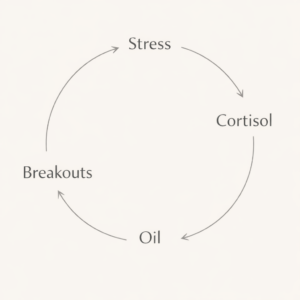
THE CORTISOL–ACNE CYCLE

Stress and acne often feed into each other, creating a self-perpetuating loop:

  • Stress raises cortisol levels
  • Cortisol increases oil and inflammation
  • Breakouts appear
  • Breakouts cause more stress
  • Cortisol rises again

Without intervention, this cycle can continue for weeks or months.

WHY STRESS ACNE LOOKS DIFFERENT

Stress-induced breakouts often have distinct characteristics:

  • Appear suddenly
  • Cluster around the jawline, cheeks, or forehead
  • Are more inflamed and tender
  • Heal slower than usual

These breakouts are less about poor hygiene or products and more about internal imbalance.

THE GUT–BRAIN–SKIN CONNECTION

Stress doesn’t act alone. It affects the gut, immune system, and skin microbiome.

When stressed:

  • Gut health may decline
  • Inflammation increases systemically
  • Skin microbiome balance is disrupted

This interconnected pathway explains why stress management is as important as topical skincare when addressing acne.

CAN SKINCARE ALONE FIX STRESS BREAKOUTS?

Skincare is essential—but it’s only part of the solution.

During high-stress periods, aggressive acne treatments can worsen the problem by further damaging the skin barrier. Instead, the focus should shift to:

  • Calming inflammation
  • Supporting barrier repair
  • Using non-irritating, clinical formulations

Barrier-focused skincare—like Siracilt’s dermatology-led approach—helps reduce the skin’s reactivity during stressful phases and prevents secondary breakouts caused by irritation.

HOW TO MANAGE STRESS-RELATED ACNE EFFECTIVELY

  1. Simplify Your Skincare Routine

Avoid introducing multiple new actives when stressed. Stick to:

Less is often more during stressful periods.

  1. Prioritize Sleep

Sleep is when cortisol levels naturally drop and skin repair peaks. Aim for:

  • 7–9 hours of consistent sleep
  • A calming pre-bed routine
  • Reduced screen exposure before bedtime
  • Better sleep directly supports clearer skin.
  1. Practice Daily Stress Regulation

You don’t need dramatic lifestyle changes. Simple habits help:

  • Deep breathing exercises
  • Short walks
  • Journaling
  • Gentle stretching or yoga

Even 10 minutes a day can lower cortisol levels.

  1. Nourish Your Body

Stress depletes key nutrients. Support your skin by including:

  • Omega-3 fatty acids
  • Antioxidant-rich fruits and vegetables
  • Adequate hydration
  • Reduced refined sugar intake

What you eat influences inflammation levels throughout the body.

  1. Choose Calming Skincare Ingredients

Look for ingredients that support stressed skin:

  • Anti-inflammatory actives
  • Barrier-repairing lipids
  • Non-comedogenic moisturizers
  • Dermatologically tested formulations

Ingredients like PEA (Palmitoylethanolamide) help soothe inflammation and support skin balance without triggering irritation.

THE SIRACILT PERSPECTIVE

At Siracilt, acne is viewed as more than a surface issue. Breakouts require a holistic approach—one that respects the skin barrier, calms inflammation, and supports long-term resilience.

By combining clinical skincare science with gentle, biomimetic formulations, Siracilt helps skin stay healthy even during stressful moments.

Breakouts during stressful times aren’t a failure of your skincare routine—they’re your body responding to internal pressure. Understanding the role of cortisol empowers you to treat acne with patience rather than aggression.

When stress rises, your skin needs calm, consistency, and care. Address the root cause, support your barrier, and let your skin recover naturally—because clear skin isn’t just about what you apply, but how you live.

Patch Testing – How To Introduce New Skincare Safely

Patch Testing – How To Introduce New Skincare Safely

Trying a new skincare product can feel exciting—new formulas, promising ingredients, the hope of better skin. But for many people, especially those with sensitive or acne-prone skin, this excitement can quickly turn into redness, breakouts, itching, or irritation. That’s where patch testing becomes your skin’s first line of defense.

Patch testing is a simple yet powerful step that helps you avoid unwanted reactions and build a safer, smarter skincare routine. Whether you’re introducing a new active serum or switching your moisturizer, this guide explains exactly how to patch test correctly and why it matters.

WHAT IS PATCH TESTING?

Patch testing is a method of applying a small amount of a new product to a limited area of skin to check for any adverse reaction before using it on your face or body.

It helps detect:

  • Irritation
  • Allergic reactions
  • Sensitivity to certain ingredients
  • Delayed inflammatory responses

In clinical skincare, patch testing is a non-negotiable safety step, especially when incorporating actives like exfoliating acids, retinoids, or anti-acne treatments.

WHY PATCH TESTING IS CRUCIAL—ESPECIALLY FOR SENSITIVE & ACNE-PRONE SKIN

Your face has thinner, more reactive skin compared to other parts of the body. Applying a product without testing can lead to:

  • Sudden acne flare-ups
  • Burning or stinging
  • Redness and swelling
  • Post-inflammatory pigmentation
  • Long-term barrier damage

For acne-prone skin, even a single irritating product can disrupt the skin barrier and trigger a cycle of breakouts and inflammation. Patch testing protects your skin from this unnecessary stress.

WHO SHOULD ALWAYS PATCH TEST?

While everyone benefits from patch testing, it’s especially important if you:

  • Have sensitive or reactive skin
  • Are prone to acne or rosacea
  • Are using actives like retinoids, exfoliating acids, or vitamin C
  • Have a history of product allergies
  • Are pregnant or undergoing dermatological treatments

Clinical brands like Siracilt emphasize skin barrier safety first—and patch testing is the foundation of that approach.

HOW TO PATCH TEST A NEW SKINCARE PRODUCT (STEP-BY-STEP)?

Step 1: Choose the Right Test Area

Ideal patch test areas include:

  • Behind the ear
  • Side of the neck
  • Inner forearm

These areas are sensitive enough to mimic facial skin but discreet if a reaction occurs.

STEP 2: CLEAN THE AREA

Wash the test area with a gentle cleanser and pat dry. Do not apply any other products before testing.

STEP 3: APPLY A SMALL AMOUNT

Apply a pea-sized amount of the product to the chosen area. Do not rub aggressively.

STEP 4: WAIT & OBSERVE (24–48 HOURS)

Leave the product on without washing the area. Observe for:

  • Redness
  • Itching
  • Burning
  • Swelling
  • Tiny bumps or rashes
  • For highly active products (retinoids, exfoliants), extend observation to 48–72 hours.

STEP 5: INTERPRET THE RESULTS

No reaction: Safe to use on the face

Mild tingling that fades quickly: Usually acceptable for actives

Persistent stinging, redness, or bumps: Do not use on the face

If a reaction occurs, wash the area immediately and avoid the product.

Patch Testing Actives: Extra Caution Required: Some ingredients require slow and careful introduction, even if patch testing is successful initially. Be extra cautious with: Retinoids, AHAs & BHAs, Benzoyl peroxide, Vitamin C (L-ascorbic acid), Strong exfoliating peels.

Even after a successful patch test:

  • Start with 2–3 uses per week
  • Use a small amount
  • Always follow with a barrier-repair moisturizer
  • Avoid mixing multiple actives initially
  • Patch Testing Vs Skin Purging: Know the Difference

COMMON PATCH TESTING MISTAKES TO AVOID

  • Testing on already broken or inflamed skin
  • Applying too much product
  • Testing multiple new products at once
  • Rubbing the product aggressively
  • Ignoring delayed reactions
  • Assuming “natural” products don’t need testing

Every formulation—natural or clinical—can trigger a reaction depending on your skin’s unique biology.

Patch testing may feel like an extra step—but it can save your skin from weeks of irritation, breakouts, and pigmentation. Whether you’re experimenting with a new serum or updating your acne routine for the season, patch testing gives your skin the safety net it deserves.

Remember: healthy skin thrives on patience, not pressure. Introduce new products wisely, support your skin barrier, and let results build safely over time.

Winter Skincare For Acne-Prone Skin: How To Prevent Dryness Without Breakouts

How to tackle summer Acne and Breakouts

Summer is the season of sunshine, beach days, and vacations, but for many, it also brings an unwelcome guest—acne and breakouts. The combination of heat, humidity, sweat, and increased oil production can lead to clogged pores and inflamed skin. If you find yourself battling summer acne, don’t worry! With the right skincare routine and preventive measures, you can keep breakouts at bay and maintain healthy, glowing skin.

WHY DOES ACNE WORSEN IN SUMMER?

Increased Sweat and Oil Production – Heat and humidity cause excessive sweating and stimulate the sebaceous glands to produce more oil, leading to clogged pores.

Clogged Pores from Sunscreen and Makeup – Heavy sunscreens and makeup can mix with sweat and oil, blocking pores and triggering breakouts.

Bacteria Growth – The combination of heat, humidity, and sweat creates an ideal environment for acne-causing bacteria to thrive.

Frequent Touching of Face – Wiping sweat away or resting hands on the face can transfer dirt, bacteria, and oils, worsening acne.

Dehydration – Lack of adequate hydration can make the skin overcompensate by producing more oil, leading to acne.

EFFECTIVE WAYS TO PREVENT AND TREAT SUMMER ACNE

1. Keep Your Skin Clean and Refreshed

Washing your face twice a day with a gentle, oil-free cleanser helps remove sweat, oil, and dirt. Look for cleansers with ingredients like:
Salicylic Acid – Helps unclog pores and prevent breakouts.
Tea Tree Oil – Has antibacterial properties to fight acne.
Aloe Vera – Soothes irritated skin and reduces inflammation.
Avoid over washing, as this can strip your skin of natural oils, making it produce more oil to compensate, worsening acne.

2. Choose a Lightweight, Non-Comedogenic Sunscreen

Sunscreen is essential, but thick, greasy formulas can contribute to breakouts. Opt for a gel-based or mattifying sunscreen labelled “non-comedogenic” to protect your skin from UV damage without clogging pores. Look for:
Zinc Oxide or Titanium Dioxide – Provide broad-spectrum protection and have anti-inflammatory properties.
Oil-Free and Water-Based Formulas – Prevent excess oil build up.

3. Exfoliate to Remove Dead Skin Cells

Regular exfoliation (2-3 times a week) helps remove dead skin cells and prevent clogged pores. Use:
Chemical Exfoliants (AHAs/BHAs like glycolic or salicylic acid) – Help unclog pores and smooth skin texture.
Gentle Scrubs – Avoid harsh scrubs that can cause micro-tears and irritation.

4. Hydrate, Hydrate, Hydrate!

Dehydrated skin produces more oil, leading to breakouts. Drink plenty of water and use lightweight, oil-free moisturizers with ingredients like:
Palmitoylethanolmide (PEA): Helps sooth the skin. It has anti-itching, soothing effects on skin1.
Niacinamide (Vitamin B3): Vitamin B3, also known as nicotinamide & physiologically active form of niacin (nicotinic acid). It’s also a natural anti-inflammatory and moisturising properties.
Hyaluronic Acid – Retains moisture without greasiness.
Aloe Vera Gel – Soothes and hydrates sun-exposed skin.

5. Avoid Heavy Makeup and Opt for Breathable Products

Thick foundations and powders can clog pores in hot weather. Instead:
Use a tinted moisturizer or BB cream with SPF.
Choose mineral-based makeup that is light and non-comedogenic.
Always remove makeup before bed using a gentle cleanser or micellar water.

6. Wear Breathable Fabrics and Keep Your skin Dry

Tight-fitting clothes and synthetic fabrics can trap sweat and bacteria, leading to body acne. Choose cotton and moisture-wicking fabrics to stay cool and dry. Keep a clean face towel handy to dab away sweat instead of wiping with your hands.

7. Control Excess Oil with Blotting Papers

If your skin gets excessively oily throughout the day, use oil-absorbing blotting papers to remove excess shine without disturbing your makeup or skincare.

8. Avoid Touching Your Face and Clean Your Accessories

Your phone, sunglasses, pillowcases, and hats come in contact with your skin frequently. Clean these items regularly to prevent bacteria build up.

9. Treat Acne Spots with Targeted Treatments

If a breakout occurs, use targeted treatments. Siracilt Acne Cream is highly effective, reducing total acne lesions by 62% in 4 weeks*.
*Data on file.

10. Eat a Skin-Friendly Diet

Diet plays a role in skin health. Minimize foods high in sugar and dairy, as they can trigger acne. Instead, opt for:
Fresh fruits and vegetables rich in antioxidants.
Omega-3 fatty acids (found in walnuts, flaxseeds, and fish) to reduce inflammation.
Green tea for its anti-inflammatory and antibacterial properties.

When to See a Dermatologist?

If over-the-counter treatments and home remedies aren’t helping, or if acne is severe and painful, consult a dermatologist. They may recommend:
Prescription topical treatments (such as retinoids or antibiotics).
Oral medications (like isotretinoin for severe cases).
Professional treatments (chemical peels, laser therapy, or extractions).

Summer acne can be frustrating, but with a proper skincare routine, mindful habits, and the right products, you can keep your skin clear and healthy. Focus on cleansing, sun protection, hydration, and oil control while avoiding heavy products that may clog pores. If breakouts persist, don’t hesitate to seek professional advice. Enjoy the summer with fresh, glowing skin!
By following these tips, you can beat summer acne and enjoy clear, radiant skin all season long.

⦁ JEADV 2008, 22, 73–82

Your Winter Skincare Routine, Simplified: From Cleansing To Sealing In Moisture

Your Winter Skincare Routine, Simplified: From Cleansing To Sealing In Moisture

When the temperature drops, your skin often feels the chill first. What once felt like a smooth, hydrated canvas suddenly turns tight, flaky, and sensitive. Winter may be cozy for your wardrobe, but for your skin, it can be a season of imbalance.

The good news? You don’t need a 10-step skincare ritual to survive the cold. You just need the right products, a little consistency, and a barrier-first mind set. Here’s how to simplify your winter skincare routine—from the very first cleanse to the final layer that locks in moisture.

1. START WITH A GENTLE, NON-STRIPPING CLEANSER

Winter skin doesn’t need aggressive cleansing—it needs balance. Over-cleansing or using harsh foaming washes can strip away your skin’s natural oils, leaving it tight and more prone to irritation.

Look for mild, sulfate-free cleansers that maintain your skin’s natural pH and barrier function. A gel-cream or milk cleanser works beautifully for this season—they lift away dirt and impurities without drying your skin out.

Pro tip: If your skin feels squeaky clean after washing, it’s probably over-cleansed. The goal is soft, comfortable skin that feels refreshed, not parched.

2. DON’T SKIP TONER—BUT CHOOSE WISELY

Traditional toners with alcohol can make dryness worse, but hydrating toners or essences can be your skin’s winter ally. They prep the skin for the next steps and allow your moisturizer to absorb better.

Look for ingredients like hyaluronic acid, and panthenol, which attract water to your skin and provide a burst of hydration. You can also use a toner mist throughout the day to refresh and rehydrate without disturbing your makeup.

3. LAYER ON A HYDRATING SERUM

This is where you can really help your skin bounce back. Winter air lacks humidity, so your skin’s natural moisture evaporates faster. Serums with hyaluronic acid, niacinamide, or Palmitoylethanolamide (PEA) provide deep hydration and barrier repair benefits.

PEA, in particular, is a soothing molecule that helps calm inflammation, reduce redness, and strengthen the lipid barrier—perfect for skin that tends to feel reactive during colder months.

If your skin leans dry, opt for a serum with a mix of humectants (like hyaluronic acid) and emollients (like squalene or ceramides) to hydrate and soften at the same time.

4. MOISTURIZE LIKE YOU MEAN IT

The heart of your winter skincare routine lies here—your moisturizer. This step seals in hydration, reinforces your skin barrier, and keeps moisture from escaping.

Your skin’s barrier acts like a roof; when it’s damaged, water escapes and irritants sneak in. Using a moisturizer with combination of PEA and Niacinamide helps rebuild the protective roof.

CHOOSE PRODUCTS BASED ON YOUR SKIN TYPE

  • Dry skin: Go for rich creams that contain ceramides, shea butter, or PEA.
  • Oily or combination skin: Pick lightweight gel-cream moisturizers that still offer deep hydration without clogging pores.
  • Sensitive skin: Look for barrier-repairing formulas with minimal fragrance and calming actives.

A moisturizer like Siracilt Ultramoist works beautifully here—it hydrates deeply while protecting your barrier with ingredients like PEA and ceramides, making it ideal for winter’s harsh conditions.

5. SEAL IT IN: THE POWER OF OCCLUSIVES

When the air is cold and dry, even the best moisturizer can evaporate faster than you think. That’s where occlusives come in. These ingredients form a thin, protective layer over the skin, preventing water loss.

You don’t have to slather on petroleum jelly (unless you like slugging)—modern occlusives like dimethicone, squalane, or natural oils are elegant, non-greasy options that give your skin long-lasting comfort.

Use them at night as the final step to “seal in” all your previous layers, so you wake up with plump, supple skin.

6. DON’T FORGET SUNSCREEN (YES, EVEN IN WINTER)

Just because the sun feels gentler doesn’t mean UV damage disappears. Up to 80% of UV rays can penetrate clouds, contributing to premature aging and dryness.

Opt for a broad-spectrum SPF 30 or higher, even on cloudy or chilly days. Choose hydrating formulas that double as moisturizers to simplify your morning routine.

7. BONUS STEP: WEEKLY REPAIR AND REJUVENATION

Once or twice a week, give your skin an extra dose of TLC. Swap harsh exfoliants for mild, lactic acid-based exfoliation to gently remove dry flakes and reveal fresh skin.

Follow up with a nourishing mask packed with humectants and calming agents—think hyaluronic acid, oat extract, or Palmitoylethanolamide. This helps recharge your barrier and keeps your skin glowing all season.

8. SUPPORT YOUR SKIN FROM WITHIN

Your skin is part of a bigger ecosystem—your body. Winter’s dryness doesn’t just come from outside; indoor heating, low water intake, and nutrient deficiency all play a role.

  • Drink enough water, even when you don’t feel thirsty.
  • Include omega-3 fatty acids and vitamin E-rich foods in your diet.
  • Use a humidifier indoors to add moisture back into the air.

Your skin will thank you for it.

THE TAKEAWAY: SIMPLICITY THAT WORKS

Winter skincare doesn’t need to be complicated. In fact, this is the season to pare down, not pile on. Focus on gentle cleansing, smart layering, and sealing in hydration.

When your barrier is strong and your skin is balanced, it naturally looks radiant—no matter how cold it gets outside.

So this winter, give your skin what it truly needs: comfort, calm, and deep hydration.

Because glowing skin isn’t about doing more—it’s about doing what matters most.

The Soothing Molecule Your Skin Has Been Waiting for: PEA

The Soothing Molecule Your Skin Has Been Waiting for: Palmitoylethanolamide (PEA)

In the ever-evolving world of skincare, new ingredients are constantly claiming to be the next big thing. But every once in a while, science introduces a molecule that genuinely transforms the way we care for our skin. Palmitoylethanolamide (PEA) is one such breakthrough — a naturally occurring compound that’s redefining how we approach sensitive, irritated, and inflamed skin.

If your skin feels tight, reactive, or red no matter how many soothing creams you try, PEA might be the calming hero you’ve been waiting for.

WHAT EXACTLY IS PALMITOYLETHANOLAMIDE (PEA)?

Palmitoylethanolamide (PEA) is a natural fatty compound, that helps the body manage inflammation and pain. PEA is made by the body when needed, works in the area where it’s produced, and is present in all body tissues, including the brain.1 It plays a crucial role in maintaining homeostasis, or balance, especially when your skin or nerves are under stress.

Initially studied for its pain-relieving and anti-inflammatory properties in medical research, PEA has now found a powerful place in skincare thanks to its ability to calm inflammation, reduce redness, and strengthen the skin barrier.

In simpler terms: PEA is like your skin’s own peacekeeper — helping it stay calm and resilient even in the face of stress, pollution, and harsh weather.

THE SCIENCE OF SOOTHING: HOW PEA WORKS

To understand PEA’s magic, let’s get a little scientific (but stay simple).

When your skin faces irritation — whether from dryness, cold air, pollution, or aggressive products — it triggers a cascade of inflammatory responses. This involves the release of cytokines and enzymes that lead to redness, itching, and discomfort.

Here’s where PEA steps in.

It interacts with the endocannabinoid system (ECS) — a complex network in your body that regulates inflammation and skin balance.2

PEA binds to receptors like PPAR-α (Peroxisome Proliferator-Activated Receptor Alpha), which helps switch off inflammatory signals.1 It restores calm by reducing the production of pro-inflammatory molecules, leading to visibly less irritation.

This dual action — soothing inflammation at the root and strengthening the barrier — makes PEA a game-changer for sensitive, or dry skin, especially during winter or periods of stress.

WHY YOUR SKIN NEEDS PEA (ESPECIALLY IN WINTER)

Winter brings more than just chilly winds — it brings a host of skincare struggles. The drop in humidity, constant exposure to indoor heating, and harsh winds strip away your skin’s natural lipids, leaving it dry, tight, and prone to inflammation.

Even those who don’t usually have sensitive skin can experience flakiness, redness, or itchiness during the colder months.

PEA helps counter these winter skin issues in multiple ways:

  • Reduces Redness: Calms irritation and visible flushing caused by dry, cold air.
  • Reinforces the Barrier: Strengthens the lipid layer, preventing moisture loss.
  • Soothes Sensitivity: Minimizes discomfort for people with rosacea-prone or easily irritated skin.
  • Enhances Comfort: Relieves the “tight skin” feeling common in dehydrated winter skin.
  • When paired with powerful moisturizers like ceramides, hyaluronic acid, and glycerin, PEA not only soothes the surface but also helps your skin recover its natural resilience.

PEA VS. TRADITIONAL SOOTHING INGREDIENTS

You might be wondering — how is PEA different from common calming ingredients like aloe vera, chamomile, or centella?

The difference lies in how deeply PEA works. While botanical extracts soothe the skin surface, PEA acts at a cellular level, targeting inflammation where it starts. It’s also naturally produced in the body, which means the skin recognizes it and responds effectively without irritation.1

Think of it as a smart soother — not just masking redness but actually telling your skin to stop overreacting.

WHO CAN BENEFIT FROM PEA?

The short answer: almost everyone.

But it’s especially beneficial for:

  • Sensitive and reactive skin types
  • People with redness or irritation
  • Those living in harsh or cold climates
  • Even oily or acne-prone skin can benefit, as PEA helps calm inflammation without clogging pores.

PEA IN SIRACILT SKINCARE

At Siracilt, science and skin wellness go hand in hand. We believe soothing shouldn’t just mean surface-level comfort — it should mean long-term skin balance. That’s why Palmitoylethanolamide (PEA) is one of the star ingredients in our advanced formulations.

PEA works synergistically with hydrating and barrier-repairing ingredients to deliver multi-dimensional care: it hydrates the skin. Result — comfortable, hydrated skin that feels truly at ease.

THE FUTURE OF HYDRATED SKIN

In a world where skincare often focuses on transformation, PEA reminds us that the real revolution lies in restoration. It doesn’t promise overnight miracles — it promises balance.

As more people recognize the link between inflammation and skin aging, ingredients like Palmitoylethanolamide are leading the shift toward smart, skin-identical care — where soothing and science coexist beautifully.

So, if your skin has been sending SOS signals — tightness, redness, or discomfort — it might be time to meet the molecule it’s been waiting for.

Palmitoylethanolamide (PEA): calm, restored, and beautifully resilient skin — powered by science.

References:

  1. https://pmc.ncbi.nlm.nih.gov/articles/PMC8157570/
  2. https://www.tandfonline.com/doi/full/10.1080/19390211.2021.2005733

How to tackle summer Acne and Breakouts

How to tackle summer Acne and Breakouts

Summer is the season of sunshine, beach days, and vacations, but for many, it also brings an unwelcome guest—acne and breakouts. The combination of heat, humidity, sweat, and increased oil production can lead to clogged pores and inflamed skin. If you find yourself battling summer acne, don’t worry! With the right skincare routine and preventive measures, you can keep breakouts at bay and maintain healthy, glowing skin.

WHY DOES ACNE WORSEN IN SUMMER?

Increased Sweat and Oil Production – Heat and humidity cause excessive sweating and stimulate the sebaceous glands to produce more oil, leading to clogged pores.

Clogged Pores from Sunscreen and Makeup – Heavy sunscreens and makeup can mix with sweat and oil, blocking pores and triggering breakouts.

Bacteria Growth – The combination of heat, humidity, and sweat creates an ideal environment for acne-causing bacteria to thrive.

Frequent Touching of Face – Wiping sweat away or resting hands on the face can transfer dirt, bacteria, and oils, worsening acne.

Dehydration – Lack of adequate hydration can make the skin overcompensate by producing more oil, leading to acne.

EFFECTIVE WAYS TO PREVENT AND TREAT SUMMER ACNE

1. Keep Your Skin Clean and Refreshed

Washing your face twice a day with a gentle, oil-free cleanser helps remove sweat, oil, and dirt. Look for cleansers with ingredients like:

  • Salicylic Acid – Helps unclog pores and prevent breakouts.
  • Tea Tree Oil – Has antibacterial properties to fight acne.
  • Aloe Vera – Soothes irritated skin and reduces inflammation.

Avoid over washing, as this can strip your skin of natural oils, making it produce more oil to compensate, worsening acne.

2. Choose a Lightweight, Non-Comedogenic Sunscreen

Sunscreen is essential, but thick, greasy formulas can contribute to breakouts. Opt for a gel-based or mattifying sunscreen labelled “non-comedogenic” to protect your skin from UV damage without clogging pores. Look for:
Zinc Oxide or Titanium Dioxide – Provide broad-spectrum protection and have anti-inflammatory properties.
Oil-Free and Water-Based Formulas – Prevent excess oil build up.

3. Exfoliate to Remove Dead Skin Cells

Regular exfoliation (2-3 times a week) helps remove dead skin cells and prevent clogged pores. Use:
Chemical Exfoliants (AHAs/BHAs like glycolic or salicylic acid) – Help unclog pores and smooth skin texture.
Gentle Scrubs – Avoid harsh scrubs that can cause micro-tears and irritation.

4. Hydrate, Hydrate, Hydrate!

Dehydrated skin produces more oil, leading to breakouts. Drink plenty of water and use lightweight, oil-free moisturizers with ingredients like:
Palmitoylethanolmide (PEA): Helps sooth the skin. It has anti-itching, soothing effects on skin1.
Niacinamide (Vitamin B3): Vitamin B3, also known as nicotinamide & physiologically active form of niacin (nicotinic acid). It’s also a natural anti-inflammatory and moisturising properties.
Hyaluronic Acid – Retains moisture without greasiness.
Aloe Vera Gel – Soothes and hydrates sun-exposed skin.

5. Avoid Heavy Makeup and Opt for Breathable Products

Thick foundations and powders can clog pores in hot weather. Instead:
Use a tinted moisturizer or BB cream with SPF.
Choose mineral-based makeup that is light and non-comedogenic.
Always remove makeup before bed using a gentle cleanser or micellar water.

6. Wear Breathable Fabrics and Keep Your skin Dry

Tight-fitting clothes and synthetic fabrics can trap sweat and bacteria, leading to body acne. Choose cotton and moisture-wicking fabrics to stay cool and dry. Keep a clean face towel handy to dab away sweat instead of wiping with your hands.

7. Control Excess Oil with Blotting Papers

If your skin gets excessively oily throughout the day, use oil-absorbing blotting papers to remove excess shine without disturbing your makeup or skincare.

8. Avoid Touching Your Face and Clean Your Accessories

Your phone, sunglasses, pillowcases, and hats come in contact with your skin frequently. Clean these items regularly to prevent bacteria build up.

9. Treat Acne Spots with Targeted Treatments

If a breakout occurs, use targeted treatments. Siracilt Acne Cream is highly effective, reducing total acne lesions by 62% in 4 weeks*.
*Data on file.

10. Eat a Skin-Friendly Diet

Diet plays a role in skin health. Minimize foods high in sugar and dairy, as they can trigger acne. Instead, opt for:
Fresh fruits and vegetables rich in antioxidants.
Omega-3 fatty acids (found in walnuts, flaxseeds, and fish) to reduce inflammation.
Green tea for its anti-inflammatory and antibacterial properties.

When to See a Dermatologist?

If over-the-counter treatments and home remedies aren’t helping, or if acne is severe and painful, consult a dermatologist. They may recommend:
Prescription topical treatments (such as retinoids or antibiotics).
Oral medications (like isotretinoin for severe cases).
Professional treatments (chemical peels, laser therapy, or extractions).

Summer acne can be frustrating, but with a proper skincare routine, mindful habits, and the right products, you can keep your skin clear and healthy. Focus on cleansing, sun protection, hydration, and oil control while avoiding heavy products that may clog pores. If breakouts persist, don’t hesitate to seek professional advice. Enjoy the summer with fresh, glowing skin!
By following these tips, you can beat summer acne and enjoy clear, radiant skin all season long.

⦁ JEADV 2008, 22, 73–82

Glow with love: The perfect skincare ritual for a radiant Valentine’s day!

Glow with love: The perfect skincare ritual for a radiant Valentine’s day!

Valentine’s Day is the perfect excuse to pamper yourself, prioritize self-care, and let your skin glow with confidence! Whether you have a romantic dinner planned, a fun Galentine’s night out, or a cozy self-love evening, one thing’s for sure—you deserve to look and feel your best.

At Siracilt, we believe skincare is more than just a routine—it’s an act of self-love. So, let’s create the perfect Valentine’s Day glow-up routine that will leave your skin feeling fresh, hydrated, and utterly irresistible.

Step 1: The Love Cleanse – Say Goodbye to Dull Skin!

The foundation of any radiant look is clean, fresh skin. Dirt, oil, and leftover makeup can leave your complexion looking tired—not exactly the Valentine’s glow we’re aiming for!

  • Use a gentle Cleanser– A gentle formula helps remove impurities without stripping your skin of moisture.
  • Massage in Circular Motions– Boost circulation and prep your skin for the next steps.
  • Rinse with Lukewarm Water– Hot water can dehydrate your skin, and that’s not what you want before a romantic evening!

Starting with a fresh, clean face ensures that your skin is ready to absorb all the love (and hydration) coming next.

Step 2: Hydration is the Ultimate Love Language

Dry, flaky skin? Not today! Hydration is key to a soft, glowing complexion, and the right moisturizer can make all the difference.

Apply Siracilt Ultramoist Lotion – Packed with hydrating ingredients, this lightweight formula locks in moisture and keeps your skin plump.

For Extra Glow, Use a Hydrating Mist – A refreshing spritz throughout the day keeps your skin feeling fresh and dewy.

With deep hydration, your skin will be soft, smooth, and radiant—the perfect Valentine’s Day look!

Step 3: The Secret to Flawless Skin – Targeted Treatments

Your skincare routine should be as personalized as your love life! Whether you’re dealing with breakouts, dullness, or fine lines, the right treatment can make all the difference.

  • Trouble with Acne?Try Siracilt Acne Cream – Clinically proven to reduce acne lesions by 62% in just 4 weeks*, this powerful treatment works. (*Data on file)
  • Dull Skin?Use a Vitamin C Serum – This brightening hero fights pigmentation and gives you an instant glow.
  • Fine Lines?Try a Hyaluronic Acid Serum – Hydrates deeply, making your skin look youthful and plump.

By targeting your skin’s specific needs, you will be ready to step out (or stay in) feeling flawless!

Step 4: The Final Touch – Lock in the Glow!

No Valentine’s glow-up is complete without that final touch of radiance! Here’s how to make sure your skin stays fresh and dewy all night long:

  • Use a Lightweight Sunscreen– Even if you’re going on a night date, SPF protects your skin from hidden UV damage.
  • Apply a Nourishing Lip Balm– Soft, hydrated lips are a must for a kiss-ready pout!
  • Finish with a Radiance Boosting Oil– A few drops of facial oil will leave your skin looking healthy and naturally glowing.

With this final step, your skin is officially date-ready (or self-love ready!)

Bonus: Skincare = Self-Care = Self-Love!

Valentine’s Day isn’t just about romance—it’s also about loving yourself. Whether you’re spending the day with a partner or enjoying some much-needed ‘me time’, taking care of your skin is an act of self-care and confidence.

  • Run a Bubble Bath– Pair your skincare routine with a relaxing bath for the ultimate spa night. Make sure to moisturize your skin after a long soak in warm water.
  • Apply a Sheet Mask– Take 15 minutes to unwind while your skin soaks up all the goodness.

Stay Hydrated & Eat Skin-Loving Foods – Drink plenty of water and snack on antioxidant-

  • rich foods like berries and dark chocolate.

This Valentine’s, let’s make glowing skin the ultimate celebration of self-love.

Whether you’re prepping for a date, a night out with friends, or simply a cozy self-care evening, your skin deserves some extra love this Valentine’s Day! With Siracilt’s skincare essentials, you’ll achieve radiant, healthy, and confident skin—because nothing is more attractive than a glow that comes from within.

So go ahead, love your skin, love yourself, and let your natural beauty shine!

Happy Valentine’s Day! Keep glowing with Siracilt! 😊