
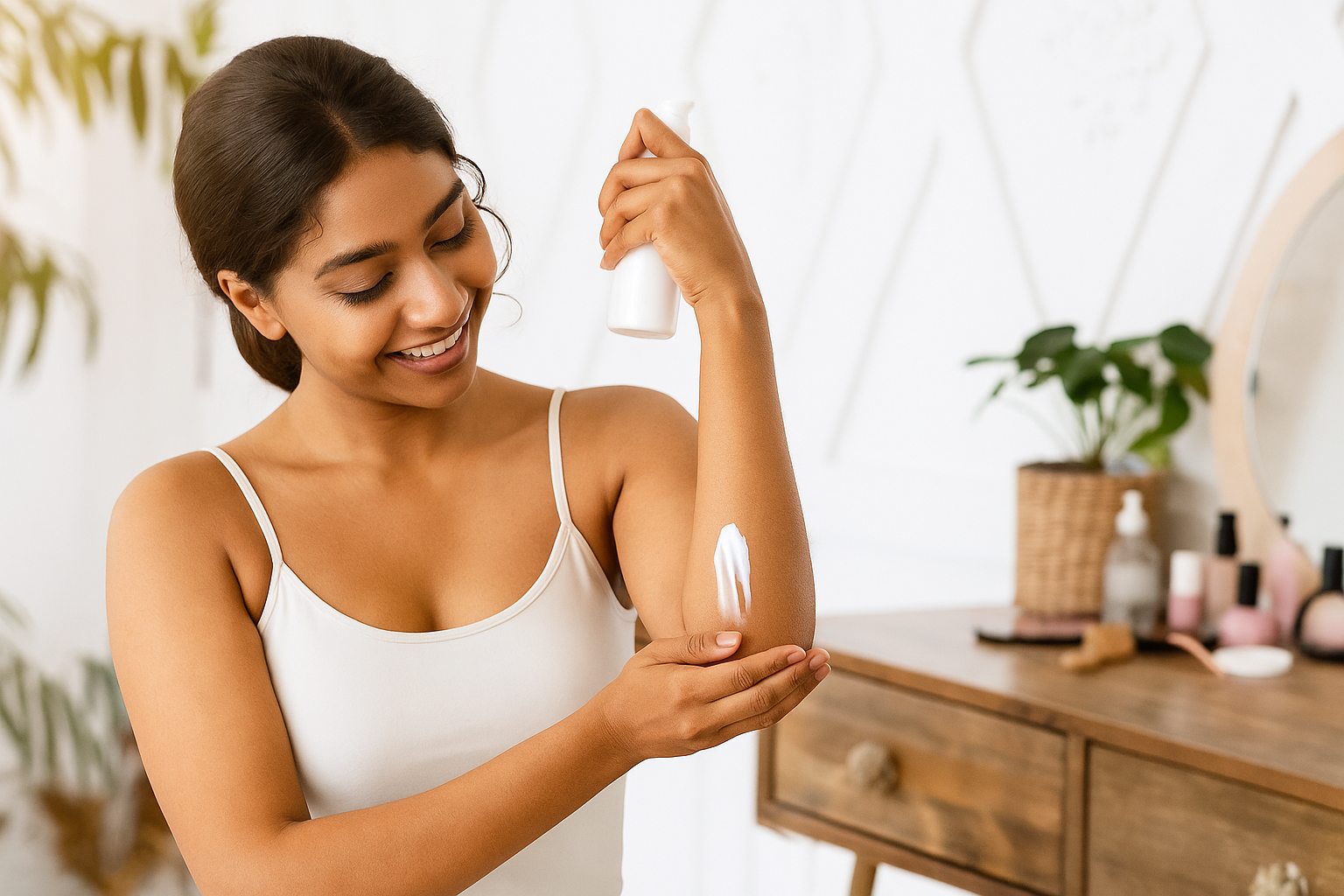
The Soothing Molecule Your Skin Has Been Waiting for: Palmitoylethanolamide (PEA)
In the ever-evolving world of skincare, new ingredients are constantly claiming to be the next big thing. But every once in a while, science introduces a molecule that genuinely transforms the way we care for our skin. Palmitoylethanolamide (PEA) is one such breakthrough — a naturally occurring compound that’s redefining how we approach sensitive, irritated, and inflamed skin.
If your skin feels tight, reactive, or red no matter how many soothing creams you try, PEA might be the calming hero you’ve been waiting for.
WHAT EXACTLY IS PALMITOYLETHANOLAMIDE (PEA)?
Palmitoylethanolamide (PEA) is a natural fatty compound, that helps the body manage inflammation and pain. PEA is made by the body when needed, works in the area where it’s produced, and is present in all body tissues, including the brain.1 It plays a crucial role in maintaining homeostasis, or balance, especially when your skin or nerves are under stress.
Initially studied for its pain-relieving and anti-inflammatory properties in medical research, PEA has now found a powerful place in skincare thanks to its ability to calm inflammation, reduce redness, and strengthen the skin barrier.
In simpler terms: PEA is like your skin’s own peacekeeper — helping it stay calm and resilient even in the face of stress, pollution, and harsh weather.
THE SCIENCE OF SOOTHING: HOW PEA WORKS
To understand PEA’s magic, let’s get a little scientific (but stay simple).
When your skin faces irritation — whether from dryness, cold air, pollution, or aggressive products — it triggers a cascade of inflammatory responses. This involves the release of cytokines and enzymes that lead to redness, itching, and discomfort.
Here’s where PEA steps in.
It interacts with the endocannabinoid system (ECS) — a complex network in your body that regulates inflammation and skin balance.2
PEA binds to receptors like PPAR-α (Peroxisome Proliferator-Activated Receptor Alpha), which helps switch off inflammatory signals.1 It restores calm by reducing the production of pro-inflammatory molecules, leading to visibly less irritation.
This dual action — soothing inflammation at the root and strengthening the barrier — makes PEA a game-changer for sensitive, or dry skin, especially during winter or periods of stress.
WHY YOUR SKIN NEEDS PEA (ESPECIALLY IN WINTER)
Winter brings more than just chilly winds — it brings a host of skincare struggles. The drop in humidity, constant exposure to indoor heating, and harsh winds strip away your skin’s natural lipids, leaving it dry, tight, and prone to inflammation.
Even those who don’t usually have sensitive skin can experience flakiness, redness, or itchiness during the colder months.
PEA helps counter these winter skin issues in multiple ways:
- Reduces Redness: Calms irritation and visible flushing caused by dry, cold air.
- Reinforces the Barrier: Strengthens the lipid layer, preventing moisture loss.
- Soothes Sensitivity: Minimizes discomfort for people with rosacea-prone or easily irritated skin.
- Enhances Comfort: Relieves the “tight skin” feeling common in dehydrated winter skin.
- When paired with powerful moisturizers like ceramides, hyaluronic acid, and glycerin, PEA not only soothes the surface but also helps your skin recover its natural resilience.
PEA VS. TRADITIONAL SOOTHING INGREDIENTS
You might be wondering — how is PEA different from common calming ingredients like aloe vera, chamomile, or centella?
The difference lies in how deeply PEA works. While botanical extracts soothe the skin surface, PEA acts at a cellular level, targeting inflammation where it starts. It’s also naturally produced in the body, which means the skin recognizes it and responds effectively without irritation.1
Think of it as a smart soother — not just masking redness but actually telling your skin to stop overreacting.
WHO CAN BENEFIT FROM PEA?
The short answer: almost everyone.
But it’s especially beneficial for:
- Sensitive and reactive skin types
- People with redness or irritation
- Those living in harsh or cold climates
- Even oily or acne-prone skin can benefit, as PEA helps calm inflammation without clogging pores.
PEA IN SIRACILT SKINCARE
At Siracilt, science and skin wellness go hand in hand. We believe soothing shouldn’t just mean surface-level comfort — it should mean long-term skin balance. That’s why Palmitoylethanolamide (PEA) is one of the star ingredients in our advanced formulations.
PEA works synergistically with hydrating and barrier-repairing ingredients to deliver multi-dimensional care: it hydrates the skin. Result — comfortable, hydrated skin that feels truly at ease.
THE FUTURE OF HYDRATED SKIN
In a world where skincare often focuses on transformation, PEA reminds us that the real revolution lies in restoration. It doesn’t promise overnight miracles — it promises balance.
As more people recognize the link between inflammation and skin aging, ingredients like Palmitoylethanolamide are leading the shift toward smart, skin-identical care — where soothing and science coexist beautifully.
So, if your skin has been sending SOS signals — tightness, redness, or discomfort — it might be time to meet the molecule it’s been waiting for.
Palmitoylethanolamide (PEA): calm, restored, and beautifully resilient skin — powered by science.
References: