
Understanding The Role Of Lactoferrin In Skincare

Understanding The Role Of Lactoferrin In Skincare

When it comes to skincare, ingredients that can support the skin’s natural defence system are becoming increasingly important. While many skincare ingredients focus on hydration, exfoliation or moisturisation, some work behind the scenes to help maintain skin balance.

Lactoferrin is one such multifunctional protein. Known for its natural biological properties, lactoferrin has been studied for its role in supporting the body’s immune response and helping manage inflammation. These properties have also made it an interesting ingredient for skincare formulations, particularly products designed for irritated or inflammation-prone skin.

What Is Lactoferrin?

Lactoferrin is a naturally occurring protein found in various body fluids, including milk. It belongs to a group of proteins that play an important role in the body’s natural defence mechanisms.

One of the key characteristics of lactoferrin is its multifunctional nature. It has been studied for several biological activities, including antimicrobial, anti-inflammatory and immunomodulatory effects.

In simple terms, Lactoferrin can help support the skin’s natural defence mechanisms while also helping to calm inflammatory responses.

Why Is Inflammation Important In Skin Health?

Inflammation is part of the body’s natural response to irritation or other challenges. A controlled inflammatory response can be helpful. However, when inflammation becomes excessive or continues for longer than necessary, the skin may appear red, irritated, sensitive or uncomfortable.

This is why managing inflammation is an important part of maintaining healthy-looking skin.

Skincare products designed for sensitive or irritated skin often aim to provide soothing benefits while supporting the skin barrier. Lactoferrin is gaining interest in this area because of its ability to influence certain pathways involved in the body’s inflammatory response.

How Does Lactoferrin Help Calm Inflammation?

Inflammation involves a complex network of signals within the body. Lactoferrin has been studied for its ability to influence some of these inflammatory pathways.

Research suggests that Lactoferrin can help regulate pathways such as TLR-2 and NF-κB, which are involved in the body’s inflammatory response. It may also influence inflammatory signalling molecules such as IL-1, IL-8 and TNF-α.1

In simpler terms, Lactoferrin may help turn down some of the signals associated with inflammation.

This is particularly relevant when developing skincare products intended to provide a calming and soothing experience for irritated skin.

Lactoferrin is known for its ability to help calm inflammation and support the skin’s natural defence system.

  • It helps reduce the body’s inflammatory response, which can help calm redness, irritation and discomfort.
  • When used along with antifungal treatment, a lactoferrin-based cream can help soothe the skin and reduce inflammation.
  • These properties make lactoferrin a useful ingredient for supporting healthier, calmer skin.

Lactoferrin And Skin Defence

The skin is more than just an outer covering. It acts as the body’s first line of defence against environmental factors and microorganisms.

Maintaining a healthy skin barrier and supporting the skin’s natural defence mechanisms are therefore essential for overall skin health.

Lactoferrin’s immunomodulatory properties make it an interesting ingredient in this context. Rather than simply providing temporary surface-level comfort, it may help support the biological processes involved in maintaining skin balance.

This makes lactoferrin particularly interesting for formulations focused on skin comfort, protection and overall skin wellness.

Lactoferrin Alongside Antifungal Treatment

Certain fungal skin conditions can be associated with irritation, redness and discomfort. Treating the underlying fungal problem is important, but supporting the skin during this process can also be beneficial.

A cosmetic cream containing lactoferrin, when used alongside appropriate antifungal treatment, may provide additional soothing benefits. Its anti-inflammatory properties can help support skin comfort while the primary antifungal treatment addresses the fungal infection.

It is important to remember that a cosmetic product should not be presented as a replacement for medical antifungal treatment. Instead, lactoferrin-based skincare can complement an appropriate skincare and treatment routine by helping provide a more comfortable skin experience.

Potential Benefits Of Lactoferrin In Skincare

The multifunctional nature of lactoferrin makes it an appealing ingredient for modern skincare formulations.

Its potential skincare benefits include:

  1. Helps soothe irritated skin
    By supporting the body’s inflammatory response, lactoferrin may help calm skin that feels irritated or uncomfortable.
  2. Supports skin balance
    Its immunomodulatory properties may help support the skin’s natural defence mechanisms.
  3. Helps manage inflammation
    Lactoferrin can influence inflammatory pathways and signalling molecules associated with the body’s inflammatory response.
  4. Complements targeted treatments
    When incorporated into a suitable cosmetic formulation, lactoferrin can provide supportive skincare benefits alongside treatments recommended for specific skin concerns.
  5. Supports overall skin health
    By combining soothing and skin-supportive properties, lactoferrin can be a useful addition to formulations designed for healthier-looking, more comfortable skin.

Why Lactoferrin Is An Interesting Skincare Ingredient

Modern skincare is moving beyond simply treating the visible signs of skin concerns. Increasingly, consumers are looking for ingredients that support the skin’s natural functions and help maintain its overall balance.

Lactoferrin fits well into this approach. Its multifunctional properties allow it to play more than one role in a skincare formulation. It can support the skin’s natural defence mechanisms while helping to calm inflammatory responses.

However, the effectiveness of any skincare product depends on several factors, including the concentration of the ingredient, formulation, stability, delivery system and overall product design.

The Future Of Lactoferrin In Skincare

As research into bioactive skincare ingredients continues to grow, lactoferrin is an ingredient worth watching. Its combination of anti-inflammatory, immunomodulatory and antimicrobial properties makes it particularly interesting for formulations focused on skin comfort and defence.

For consumers, the takeaway is simple: healthy skin is not only about how it looks. It is also about maintaining a balanced, resilient and comfortable skin environment.

Lactoferrin offers an exciting approach to skincare by helping support the skin’s natural defence system while calming inflammatory responses. As research continues, its role in advanced skincare formulations may become even more significant.

References:

  1. https://pmc.ncbi.nlm.nih.gov/articles/PMC10413819/

How A Moisturizing Body Wash Supports Healthy Skin

How A Moisturizing Body Wash Supports Healthy Skin

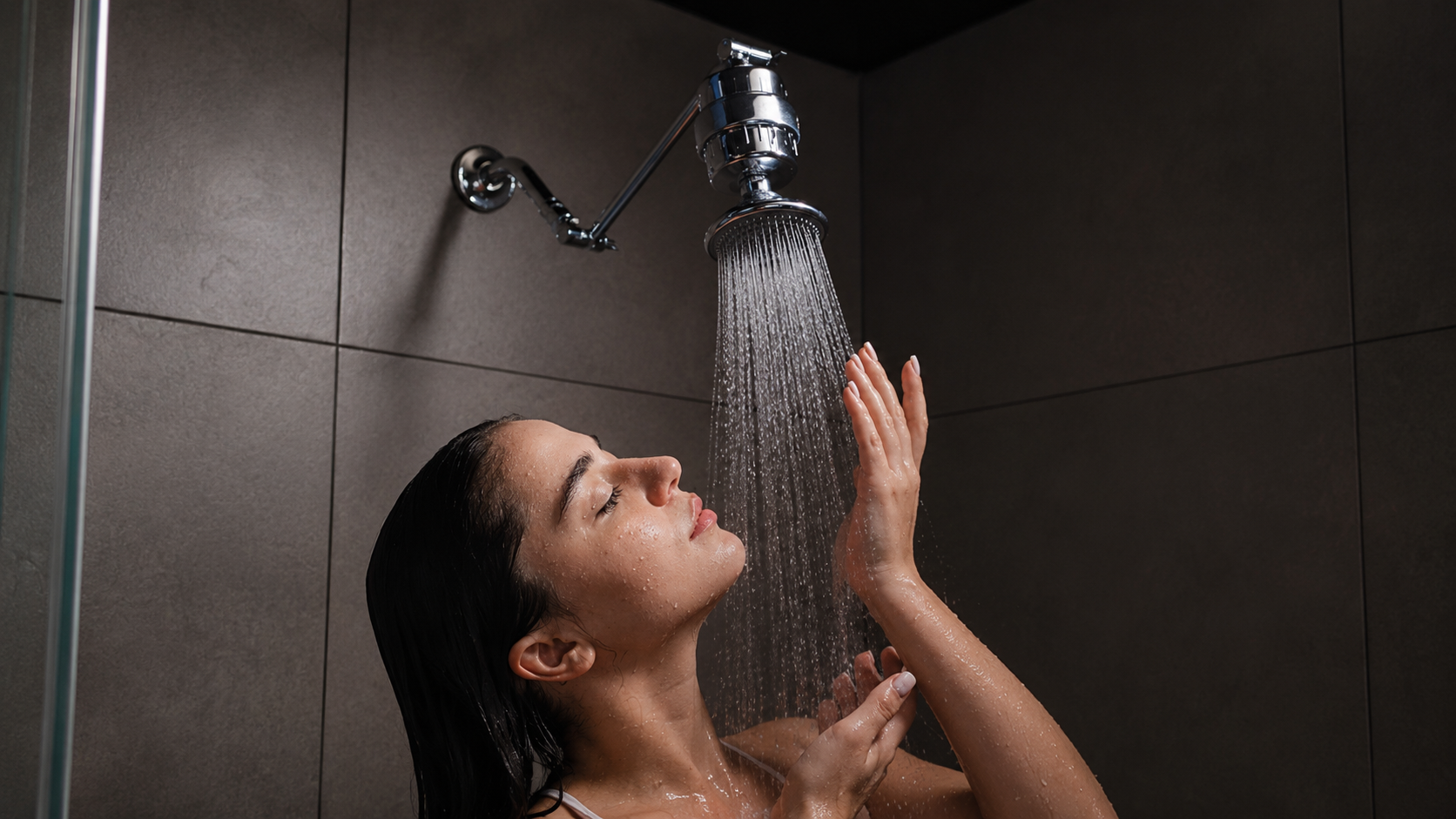
Healthy skin starts with the right cleansing routine. While many people focus on moisturizers, serums, and lotions, the body wash you use every day also plays an important role in maintaining your skin’s health. Harsh cleansers can strip away the skin’s natural oils, leaving it dry, rough, and uncomfortable. On the other hand, a moisturizing body wash helps cleanse while supporting the skin’s natural moisture barrier.

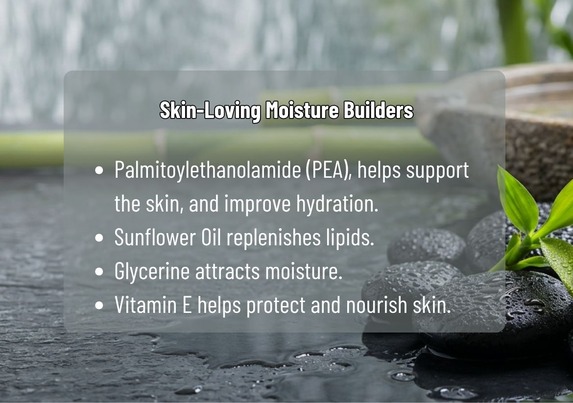
A thoughtfully formulated body wash does more than remove dirt and sweat—it helps replenish hydration, comforts dry skin, and leaves it feeling soft and refreshed after every shower. Ingredients such as Palmitoylethanolamide (PEA), Vitamin E, Glycerine, and Sunflower Oil work together to support healthy-looking skin by providing hydration, nourishment, and skin-conditioning benefits.

Let’s understand how a moisturizing body wash can make a difference in your daily skincare routine.

Why Skin Needs Moisture Every Day

Your skin is constantly exposed to environmental stressors such as pollution, changing weather, air conditioning, and frequent bathing. These factors can weaken the skin’s protective barrier and reduce its natural moisture levels.

When your skin loses moisture, you may notice:

  • Dryness and tightness after bathing
  • Rough or flaky patches
  • A dull appearance
  • Increased sensitivity to external irritants
  • Skin that feels uncomfortable throughout the day

Using a moisturizing body wash helps reduce moisture loss during cleansing, making it easier for your skin to maintain its natural balance.

The Importance Of Skin Barrier

The outermost layer of your skin, often called the skin barrier, acts as a protective shield. It helps retain moisture while keeping environmental irritants away.

When this barrier is compromised, the skin may become:

  • Dry
  • Rough
  • Sensitive
  • More prone to irritation

A moisturizing body wash supports this protective barrier by cleansing gently without removing essential lipids. This leaves the skin feeling clean without the uncomfortable dryness that some traditional cleansers can cause.

Key Ingredients That Support Skin

The effectiveness of a moisturizing body wash depends largely on the ingredients it contains. Certain skin-conditioning ingredients work together to hydrate, nourish, and protect the skin.

1. Palmitoylethanolamide (PEA)

Palmitoylethanolamide (PEA) is a naturally occurring lipid compound found in the body. It has gained attention in skincare for its ability to support skin comfort and help maintain healthy skin.

PEA is known for helping to:

  • Support the skin’s natural protective functions
  • Help calm skin that feels uncomfortable
  • Promote overall skin comfort
  • Support the maintenance of a healthy skin barrier

Including PEA in a body wash allows the skin to benefit from gentle daily care while cleansing.

Moisture Nourishment in Every Wash - Enavant

2. Vitamin E

Vitamin E is one of the most recognized skincare ingredients because of its antioxidant properties.

Its benefits include:

  • Helping protect the skin from oxidative stress
  • Supporting healthy-looking skin
  • Conditioning and softening the skin
  • Helping maintain moisture levels

Regular use of products containing Vitamin E can help the skin feel smoother and appear healthier over time.

3. Glycerine

Glycerine is one of the most effective humectants used in skincare.

A humectant attracts moisture from the surrounding environment and helps retain it within the skin.

Benefits of glycerine include:

  • Deep hydration
  • Improved skin softness
  • Reduced feeling of dryness
  • Enhanced skin smoothness

Because of its gentle nature, glycerine is suitable for most skin types, including dry and sensitive skin.

4. Sunflower Oil

Sunflower Oil is rich in essential fatty acids and Vitamin E, making it an excellent skin-conditioning ingredient.

It helps:

  • Nourish dry skin
  • Support the skin’s natural lipid barrier
  • Improve skin softness
  • Leave the skin feeling smooth without a greasy residue

Sunflower Oil complements glycerine by providing nourishment while helping reduce moisture loss.

How These Ingredients Work Together

Each ingredient offers unique benefits, but together they create a balanced cleansing experience.

  • PEA supports skin comfort and helps maintain the skin barrier.
  • Vitamin E provides antioxidant support while conditioning the skin.
  • Glycerine attracts and retains moisture.
  • Sunflower Oil nourishes and supports the skin’s natural protective layer.

This combination allows your skin to feel clean, hydrated, and comfortable after every shower.

Benefits Of Using A Moisturizing Body Wash Daily

Switching to a moisturizing body wash can offer several everyday benefits.

Cleanses Without Over-Drying Unlike harsh soaps that may strip natural oils, moisturizing body washes cleanse gently while helping maintain skin hydration.

Helps Maintain Soft Skin Hydrating ingredients leave the skin feeling smoother and softer after every wash.

Supports Daily Skin Comfort Proper hydration helps reduce the feeling of tightness that often follows bathing.

Suitable Throughout the Year Whether it’s winter dryness or the dehydrating effects of air conditioning during summer, moisturizing body washes can be used year-round to support healthy-looking skin.

Complements Your Skincare Routine A moisturizing cleanser creates a hydrated foundation, allowing body lotions and creams applied afterward to work more effectively.

Tips To Maximize Skin Hydration

A moisturizing body wash works best when combined with healthy skincare habits.

Consider these simple tips:

  • Use lukewarm rather than very hot water.
  • Limit shower time to avoid excessive moisture loss.
  • Pat your skin dry instead of rubbing it with a towel.
  • Apply a moisturizer while the skin is still slightly damp.
  • Drink adequate water throughout the day to support overall hydration.

Small changes in your routine can contribute significantly to maintaining healthy skin.

Who Can Benefit From A Moisturizing Body Wash?

A moisturizing body wash can be beneficial for many people, especially those who experience:

  • Dry or rough skin
  • Seasonal dryness
  • Skin that feels tight after bathing
  • Frequent exposure to air conditioning
  • Daily exposure to dust and pollution
  • The need for a gentle everyday cleanser

Even individuals with normal skin can benefit from maintaining healthy hydration through a moisturizing cleansing routine.

Choosing The Right Body Wash

When selecting a body wash, look beyond fragrance and lather. Instead, choose formulations that contain skin-conditioning and moisturizing ingredients.

Look for products that include:

  • Palmitoylethanolamide (PEA) for skin comfort and barrier support
  • Vitamin E for antioxidant and conditioning benefits
  • Glycerine for long-lasting hydration
  • Sunflower Oil for nourishment and moisture retention

A gentle, moisturizing formula can help your skin feel refreshed without compromising its natural protective barrier.

Healthy skin begins with gentle cleansing. Every shower is an opportunity not only to remove impurities but also to support your skin’s natural moisture balance. Choosing a moisturizing body wash formulated with Palmitoylethanolamide (PEA), Vitamin E, Glycerine, and Sunflower Oil can help cleanse effectively while delivering hydration and nourishment that your skin needs every day.

Rather than leaving your skin feeling dry or tight, a moisturizing body wash supports softness, comfort, and a healthy-looking appearance. When combined with good skincare habits, it becomes an essential part of maintaining skin that feels smooth, hydrated, and cared for—day after day.

Disclaimer: This blog is intended for educational purposes only and should not be considered medical advice. Individual results may vary depending on skin type and overall skincare routine. Always use skincare products as directed and consult a qualified healthcare professional if you have persistent skin concerns or a diagnosed skin condition.

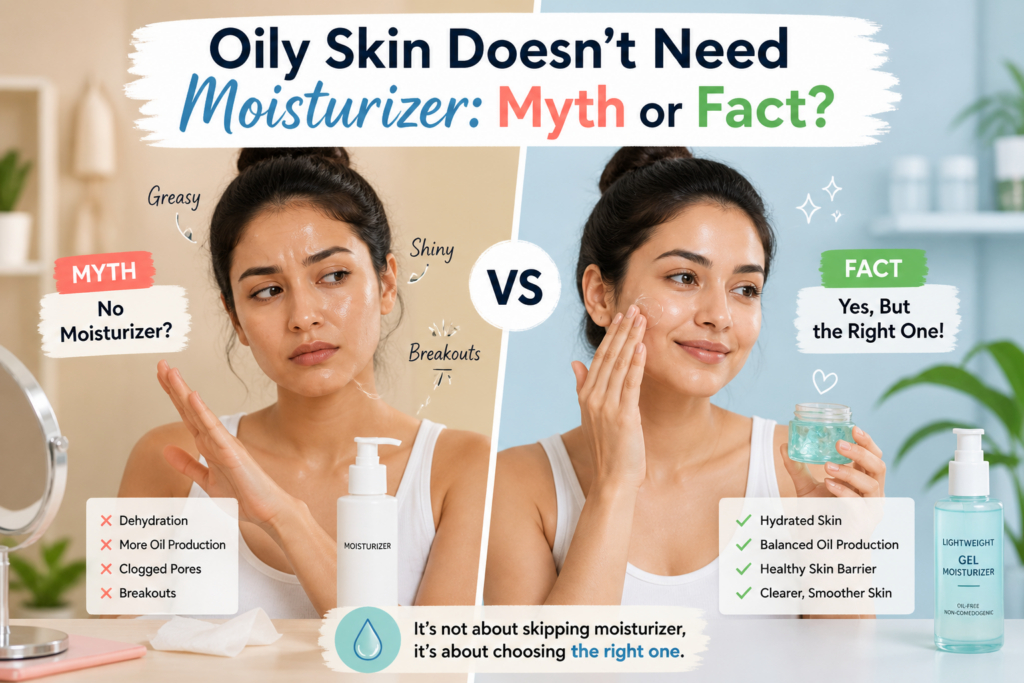
Oily Skin Doesn’t Need Moisturizer: Myth Or Fact?

Oily Skin Doesn’t Need Moisturizer: Myth Or Fact?

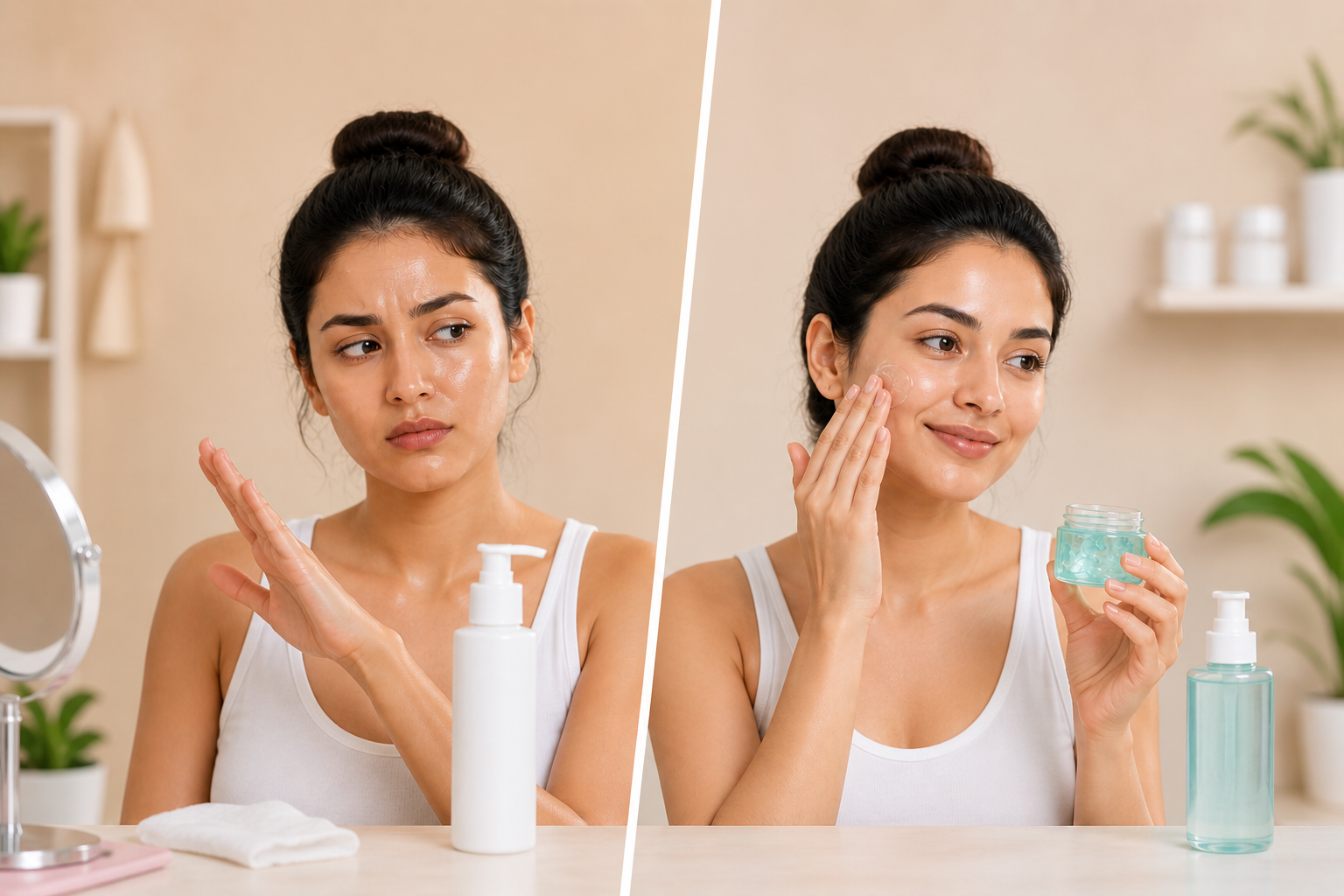
If you have oily skin, you’ve probably heard this advice at least once: “Skip the moisturizer, your skin already has enough oil.” It sounds logical. Why add more moisture when your face already feels greasy by midday?

But skincare isn’t that simple. The idea that oily skin doesn’t need moisturizer is one of the most common myths out there. And believing it can actually make your skin worse, not better.

Let’s break it down.

What does “oily skin” really mean?

Oily skin happens when your sebaceous glands produce excess sebum. Sebum is your skin’s natural oil. It helps protect and hydrate the skin barrier.

But here’s the key point: Oil and hydration are not the same thing.

You can have:

  • Oily but dehydrated skin
  • Dry but well-hydrated skin

Hydration refers to water content in your skin. Oil is about lipids. Your skin needs both to stay balanced.

So, does oily skin need moisturizer?

Short answer: Yes. It absolutely does.

Skipping moisturizer doesn’t reduce oil production. In fact, it often triggers the opposite effect.

When your skin lacks hydration, it tries to compensate. That means producing even more oil to protect itself. The result?

  • More shine
  • More clogged pores
  • More breakouts

It becomes a frustrating cycle: you avoid moisturizer to control oil, but your skin ends up getting oilier.

Why Moisturizer Matters For Oily Skin

Think of moisturizer as support for your skin barrier. When your barrier is healthy, your skin behaves better overall.

Here’s what a good moisturizer does for oily skin:

  1. Maintains hydration balance
    Without enough water, your skin becomes dehydrated. This can lead to dullness, irritation, and increased oil production.
  2. Regulates oil production
    When your skin is properly hydrated, it doesn’t feel the need to overproduce sebum.
  3. Protects your skin barrier
    A damaged barrier makes your skin more reactive. You may notice redness, sensitivity, or acne flare-ups.
  4. Improves texture and appearance
    Well-moisturized skin looks smoother and more even, even if it’s naturally oily.

Why Moisturizer Matters For Oily Skin

Why The Myth Still Exists

This misconception usually comes from experience.

Many people with oily skin have used thick, heavy creams that:

  • Feel greasy
  • Sit on top of the skin
  • Clog pores

So they assume all moisturizers are the problem.

But the issue isn’t moisturizer itself. It’s the type.

CHOOSING THE RIGHT MOISTURIZER FOR OILY SKIN

Not all moisturizers are created equal. If you have oily skin, the goal is to hydrate without adding heaviness.

Look for these features:

Lightweight texture Gel or water-based formulas absorb quickly and don’t leave a greasy film.

Non-comedogenic This means the product is less likely to clog pores.

Oil-free or low-oil formulas You don’t need extra oil on already oily skin.

Hydrating ingredients Look for ingredients like:

  • Hyaluronic acid
  • Glycerin
  • Aloe vera

These draw water into the skin without making it oily.

Mattifying ingredients (optional) Some moisturizers include ingredients that help control shine throughout the day.

COMMON MISTAKES TO AVOID

Even if you use moisturizer, certain habits can still make oily skin worse.

Over-cleansing
Washing your face too often strips natural oils. Your skin responds by producing more oil.

Stick to cleansing twice a day.

Using harsh products
Alcohol-heavy toners or strong acne treatments can dry out your skin too much. This again leads to increased oil production.

Skipping moisturizer after acne treatments
Many acne products are drying. Not following up with moisturizer can leave your skin irritated and unbalanced.

Applying too much product
More is not better. A small amount is enough for most moisturizers.

What about humid weather?

If you live in a humid climate, your skin may already feel sticky. It’s tempting to skip moisturizer altogether.

But even then, your skin still needs hydration.

The solution isn’t skipping moisturizer. It’s switching to a lighter one. A gel-based product can give you hydration without the heavy feel.


SIGNS YOUR OILY SKIN IS DEHYDRATED

Sometimes oily skin can trick you. It may look shiny but still lack hydration.

Watch out for:

  • Tightness after washing
  • Flaky patches
  • Dull appearance
  • Increased oiliness over time

If you notice these, your skin is likely dehydrated and needs moisture.

A SIMPLE ROUTINE FOR OILY SKIN

You don’t need a complicated routine. Keep it simple and consistent.

Morning:

  1. Gentle cleanser
  2. Lightweight moisturizer
  3. Sunscreen

Night:

  1. Cleanser
  2. Treatment (if needed, like acne products)
  3. Moisturizer

That’s it. The key is balance, not overload.

FINAL VERDICT: MYTH OR FACT?

“Oily skin doesn’t need moisturizer” is a myth.

Skipping moisturizer can lead to:

  • More oil production
  • Dehydration
  • Breakouts

The real solution is not avoiding moisturizer, but choosing the right kind and using it correctly.

The bottom line

Oily skin isn’t a problem to “dry out.” It’s a skin type that needs balance.

When you give your skin proper hydration, it becomes calmer, more predictable, and easier to manage.

So if you’ve been avoiding moisturizer because of oily skin, it might be time to rethink that habit. Your skin isn’t asking for less care. It’s asking for the right care.

What Happens When Your Skin Is Dehydrated?

What Happens When Your Skin Is Dehydrated?

Your skin doesn’t stay quiet when it needs something—it shows you. And one of the most common signals? Dehydration. Often confused with dry skin, dehydrated skin is actually a condition where your skin lacks water, not oil. The result is skin that looks dull, feels tight, and behaves unpredictably.

Let’s break down what really happens when your skin is dehydrated—and why it’s something you shouldn’t ignore.

Dehydrated VS Dry Skin: Know The Difference

Before we dive deeper, it’s important to clear this up:

  • Dry skin = lack of oil (a skin type)
  • Dehydrated skin = lack of water (a skin condition)

This means anyone—whether you have oily, combination, or dry skin—can experience dehydration.

Signs Your Skin Is Dehydrated

Your skin gives subtle (and sometimes not-so-subtle) hints:

  • Tightness, especially after cleansing
  • Dull, tired-looking complexion
  • Increased sensitivity or redness
  • Fine lines appearing more prominent
  • Rough or uneven texture
  • Unexpected oiliness (yes, really)

What Actually Happens Inside Your Skin?

When your skin is dehydrated, it’s not just a surface-level issue. Here’s what’s happening beneath:

    • Compromised Skin Barrier Your skin barrier acts like a shield, locking in moisture and keeping irritants out. Without enough water, this barrier weakens, making your skin more vulnerable to damage, pollution, and irritation.
    • Increased Water Loss (TEWL) Dehydrated skin struggles to retain moisture, leading to transepidermal water loss (TEWL)—where water escapes from the skin faster than it should.
    • Overproduction of Oil In response to dehydration, your skin may produce more oil to compensate. This is why dehydrated skin can still feel greasy or lead to breakouts.
    • Slower Skin Repair Hydration plays a key role in skin renewal. When your skin lacks water, it doesn’t repair itself as efficiently, making it look tired and uneven.


What Causes Skin Dehydration?

Modern lifestyles don’t make it easy for your skin. Common triggers include:

      • Air conditioning and indoor heating
      • Pollution and environmental stress
      • Over-cleansing or harsh skincare products
      • Not drinking enough water
      • Weather changes (especially winter or dry climates)
      • Excess caffeine or alcohol

How To Fix Dehydrated Skin

The good news? Dehydrated skin is completely fixable with the right approach.

.  Focus on Hydration First

Look for ingredients like:

      • Hyaluronic Acid
      • Glycerin
      • Aloe Vera

These help attract and retain moisture in the skin.

      • Don’t Skip Moisturiser Hydration needs to be sealed in. A good moisturiser helps lock in water and restore your skin barrier.
      • Simplify Your Routine Avoid overloading your skin with too many actives. Stick to a gentle cleanser, a hydrating layer, and a moisturiser.
      •  Be Gentle with Your Skin Skip harsh scrubs and over-washing. Your skin needs support, not stress.


A SMARTER APPROACH TO HYDRATION

Healthy skin starts with hydration. A well-formulated moisturiser—like Siracilt Ultramoist—is designed to replenish lost moisture while supporting your skin barrier, helping your skin feel soft, balanced, and comfortable again.

Because when your skin is properly hydrated, everything else—glow, smoothness, clarity—naturally follows.

Dehydrated skin is your body’s way of asking for balance. It’s not about doing more—it’s about doing the right things consistently.

Listen to your skin. Give it the hydration it needs. And you’ll start to see the difference—not just in how your skin looks, but in how it feels every day.

Understanding The Skin Barrier In Summer: Why It Matters More Than You Think

Understanding The Skin Barrier In Summer: Why It Matters More Than You Think

When summer arrives, most people focus on oil control, tanning, or breakouts. But beneath all of that lies something far more important—your skin barrier.

If your skin suddenly feels more sensitive, irritated, or prone to acne during hot weather, your skin barrier might be trying to tell you something.


WHAT IS THE SKIN BARRIER?

Your skin barrier is the outermost layer of your skin—often called the protective shield.

It plays a crucial role in:

  • Locking in moisture
  • Keeping out pollution, bacteria, and irritants
  • Maintaining overall skin balance

Think of it as your skin’s natural defense system. When it’s healthy, your skin looks calm, smooth, and clear. When it’s damaged, everything starts to go wrong.


WHY SUMMER CAN DAMAGE YOUR SKIN BARRIER

Summer conditions can quietly weaken your skin barrier:

☀️ Excess Sun Exposure: UV rays break down your skin’s protective structure, leading to sensitivity, tanning, and long-term damage.

💦 Sweat & Humidity: Constant sweating can disrupt your skin’s natural balance and make it more reactive.

🧴 Over-Cleansing & Harsh Products: Trying to control oil often leads to overwashing or using strong actives—both of which strip your skin.


🌡️ Heat-Induced Dehydration: Even oily skin can become dehydrated in summer, weakening the barrier further.


SIGNS YOUR SKIN BARRIER IS COMPROMISED

Your skin often gives clear signals:

  • Sudden breakouts or flare-ups
  • Redness or irritation
  • Tightness even after moisturizing
  • Increased sensitivity to products
  • Skin feeling both oily and dry at the same time


HOW TO PROTECT YOUR SKIN BARRIER IN SUMMER

1. Cleanse, Don’t Strip

Use a gentle cleanser that removes sweat and oil without disrupting your skin.

💡 Over-cleansing can make your skin produce more oil—not less.

2. Hydrate with Lightweight Formulas

  • Skip heavy creams and choose:
  • Gel-based moisturizers
  • Ingredients like hyaluronic acid and niacinamide

✨ Siracilt Insight: Hydration is key to maintaining a strong, resilient skin barrier—even in humid weather.

3. Be Careful with Actives

Ingredients like exfoliating acids can be helpful—but overuse can weaken your barrier.

  • Limit exfoliation to 1–2 times a week
  • Avoid layering too many actives in summer

4. Never Skip Sunscreen

Daily SPF is essential to protect your barrier from UV damage.

  • Use SPF 30 or higher
  • Reapply regularly

5. Focus on Repair, Not Just Control

Instead of only targeting oil or acne, support your skin’s recovery.

Look for ingredients like:

COMMON MISTAKES THAT WEAKEN YOUR SKIN BARRIER

❌ Washing your face too frequently

❌ Using harsh scrubs or over-exfoliating

❌ Skipping moisturizer

❌ Mixing too many active ingredients

❌ Ignoring signs of irritation


HEALTHY BARRIER = HEALTHY SKIN

Clear skin isn’t just about fighting acne or controlling oil—it starts with a strong, healthy barrier.

When your skin barrier is balanced, everything improves:

  • Fewer breakouts
  • Better hydration
  • Reduced sensitivity
  • A natural, healthy glow


This summer, don’t just treat your skin—support it.

Focus on gentle care, consistent hydration, and protection from the sun. Because when your skin barrier is strong, your skin doesn’t just survive summer—it thrives.

When Sunshine Touches Your Skin – Summer Skincare Guide

When Sunshine Touches Your Skin – Summer Skincare Guide

Summer brings sunshine, longer days, and unfortunately… a whole lot of skin concerns. From excess oil and breakouts to dehydration and irritation, your skin goes through a lot during this season.

The good news? With the right routine (and the right products), you can keep your skin healthy, balanced, and glowing all summer long.


WHY DOES SKIN MISBEHAVE IN SUMMER?

Hot weather triggers a chain reaction in your skin:

  • Increased oil production → clogged pores & acne
  • Excess sweat → bacterial growth
  • Strong UV exposure → tanning, pigmentation & damage
  • Dehydration → dull, tired-looking skin

That’s why your skincare routine needs a seasonal upgrade.


STEP-BY-STEP SUMMER SKINCARE ROUTINE

1. Cleanse Gently, But Effectively

  • Sweat and oil build up faster in summer, making cleansing essential.
  • Use a gentle, non-stripping cleanser twice a day
  • Avoid harsh soaps that dry out your skin (they trigger more oil production)

💡 Tip: If your skin feels greasy by afternoon, a splash of water or a mild re-cleanse can help.


2. Switch to Lightweight Hydration

  • Yes, your skin still needs hydration—even if it feels oily.
  • Choose gel-based or water-based moisturizers
  • Look for ingredients like hyaluronic acid

✨ Siracilt Tip: Opt for formulations that hydrate without clogging pores—perfect for acne-prone or sensitive skin.


3. Don’t Skip Sun Protection

  • Sunscreen isn’t optional—it’s essential.
  • Use SPF 30 or higher.
  • Reapply as required.

Choose non-comedogenic formulas to avoid breakouts Sun damage doesn’t just tan your skin—it accelerates aging and worsens acne marks.


4. Manage Oil Without Over-Drying

Avoid washing your face too frequently

Use oil-control products that maintain balance

✨ Siracilt Insight: Healthy skin = less oil + fewer breakouts.


5. Treat Breakouts the Smart Way

  • Summer acne is common—but harsh treatments can make it worse.
  • Avoid overusing strong actives
  • Choose gentle, targeted solutions

Siracilt acne is designed to help reduce acne—without stripping your skin.


6. Add Weekly Skin Recovery

Your skin needs repair too.

Use soothing masks once or twice a week

Ingredients like aloe vera, niacinamide, and ceramides help restore balance


COMMON SUMMER SKINCARE MISTAKES TO AVOID

❌ Skipping moisturizer because your skin feels oily

❌ Over-exfoliating to “control” oil

❌ Not reapplying sunscreen

❌ Using heavy creams that clog pores

❌ Ignoring hydration (inside + outside)


PRO TIPS FOR HEALTHY SUMMER SKIN

  • Drink plenty of water 💧
  • Eat water-rich foods (fruits like watermelon, cucumber)
  • Avoid touching your face frequently
  • Keep your pillowcases clean
  • Shower after sweating to prevent body acne

Your Skin Deserves Balance, Not Stress


Summer skincare isn’t about doing more—it’s about doing it right.

With a routine focused on gentle cleansing, lightweight hydration, sun protection, and balanced care, your skin can stay clear, calm, and radiant all season long. With Siracilt, skincare feels simple, effective, and summer-ready.

Sunlit Days, Healthy Skin: Your Summer Skincare Guide

Sunlit Days, Healthy Skin: Your Summer Skincare Guide

Summer brings sunshine, outdoor activities, and longer days—but it can also bring sweat, excess oil, clogged pores, and skin irritation. The combination of heat, humidity, and environmental exposure can make your skin more vulnerable to breakouts, dullness, and dehydration.

That’s why adjusting your skincare routine during the summer months is important. With the right care, you can keep your skin fresh, balanced, and healthy even in hot weather.

Let’s explore how summer affects your skin and the best ways to take care of it.

How Summer Weather Affects Your Skin

Hot temperatures and humidity can influence the way your skin behaves.

Increased Oil Production

During summer, the skin tends to produce more sebum (natural oil). While sebum helps protect the skin, excess oil can clog pores and lead to acne or breakouts.

Sweating

Sweat helps cool the body, but when it mixes with oil, dirt, and bacteria on the skin, it can clog pores and irritate the skin.

Sun Exposure

Prolonged exposure to sunlight can cause sunburn, tanning, dryness, and premature skin aging.

Dehydration

Even though summer feels humid, the skin can still become dehydrated due to heat, sun exposure, and sweating.

Common Summer Skin Concerns

Some of the most common skin issues people face during summer include:

  • Oily skin
  • Acne and breakouts
  • Sunburn
  • Skin irritation
  • Dehydrated or dull skin
  • Clogged pores

Fortunately, a few simple skincare steps can help manage these concerns.

A Simple Summer Skincare Routine

A summer skincare routine should focus on cleansing, hydration, protection, and maintaining the skin barrier.

1. Cleanse Your Skin Gently

Sweat, oil, and pollution can accumulate on the skin during hot weather. Washing your face with a gentle cleanser twice a day helps remove impurities and keep pores clear.

Avoid harsh cleansers that strip natural oils, as they may trigger the skin to produce even more oil.

2. Keep Your Skin Hydrated

Hydration is important even in humid weather. Lightweight moisturizers help maintain the skin’s natural barrier and prevent dryness.

Look for formulations that provide balanced hydration without feeling heavy on the skin.

3. Protect Your Skin from the Sun

Sun protection is one of the most important steps in summer skincare.

Using sunscreen daily can help protect the skin from UV damage, tanning, and premature aging. Reapply sunscreen when spending extended time outdoors.

In addition to sunscreen, protective measures like wearing hats and seeking shade can also help reduce sun exposure.

4. Avoid Overloading Your Skin

Using too many products can sometimes irritate the skin, especially during hot weather.

A simple and consistent routine often works best during summer. Focus on essential steps that support the skin rather than layering multiple heavy products.

5. Support Your Skin Barrier

A healthy skin barrier helps protect against environmental stressors, pollution, and irritation.

Skincare ingredients that support the skin’s natural protective barrier can help maintain overall skin health during the summer months.

Lifestyle Tips for Healthy Summer Skin

Your daily habits can also affect your skin health.

Stay Hydrated

Drinking enough water supports overall hydration and helps your skin stay refreshed.

Maintain Good Hygiene

After outdoor activities or workouts, cleansing your face can help remove sweat and impurities.

Avoid Touching Your Face

Frequent touching can transfer dirt and bacteria to the skin, which may contribute to breakouts.

Eat Skin-Friendly Foods

A balanced diet that includes fruits, vegetables, and healthy fats supports overall skin health.

Skincare Tips for Acne-Prone Skin in Summer

For people with acne-prone skin, summer can sometimes trigger more frequent breakouts.

Here are a few helpful tips:

  • Choose non-comedogenic skincare products that do not clog pores
  • Avoid heavy creams that feel greasy in humid weather
  • Maintain a consistent skincare routine
  • Keep your skin clean after sweating

Gentle skincare and maintaining the skin’s balance can help reduce irritation and support clearer-looking skin.

Signs Your Skin Needs Extra Care

Sometimes your skin may show signs that it needs additional attention.

Watch for:

  • Persistent breakouts
  • Increased redness or irritation
  • Excessive oiliness
  • Dry patches despite humidity

If these concerns continue, it may be helpful to consult a skincare professional or dermatologist.

Summer can be challenging for the skin due to heat, humidity, and increased oil production. However, with the right skincare routine and healthy habits, it’s possible to keep your skin balanced and comfortable.

Focus on gentle cleansing, hydration, sun protection, and maintaining the skin barrier to help your skin stay healthy throughout the season.

Taking simple steps every day can make a big difference in maintaining fresh and healthy-looking skin all summer long.

Acne vs Pimples vs Breakouts: What’s the Difference?

Acne vs Pimples vs Breakouts: What’s the Difference?

If you’ve ever looked in the mirror and noticed a sudden bump on your skin, you’ve probably called it a pimple, acne, or a breakout. While these terms are often used interchangeably, they don’t actually mean the same thing.

Understanding the difference between acne, pimples, and breakouts can help you take better care of your skin and choose the right skincare routine.

Let’s break it down.

What Is Acne?

Acne is a skin condition that occurs when hair follicles (pores) become clogged with oil (sebum), dead skin cells, and bacteria.

It is one of the most common skin concerns and can affect teenagers and adults alike.

Acne can appear in different forms, including:

  • Whiteheads
  • Blackheads
  • Papules
  • Pustules
  • Nodules
  • Cysts

Acne usually develops on areas where oil glands are more active, such as:

  • Face
  • Forehead
  • Chest
  • Back
  • Shoulders

Acne is not just a single bump—it is a condition that causes repeated or persistent skin lesions.

What Is a Pimple?

A pimple is a single inflamed spot that appears on the skin. It is actually a symptom of acne, not a separate condition.

When a pore gets clogged and bacteria grow inside it, the body’s immune response leads to inflammation, resulting in a pimple.

Pimples can appear as:

  • Red bumps
  • White pus-filled spots
  • Tender or swollen areas

Many people may get an occasional pimple due to factors like:

  • Hormonal changes
  • Stress
  • Excess oil production
  • Poor skincare habits

Getting a single pimple once in a while does not necessarily mean you have acne.

What Is a Breakout?

A breakout refers to a sudden appearance of multiple pimples or acne lesions on the skin.

It is not a medical condition itself but rather a temporary flare-up of skin problems.

Breakouts can occur due to triggers such as:

  • Hormonal fluctuations
  • Stress
  • Diet changes
  • New skincare products
  • Environmental pollution
  • Poor sleep

For example, someone who normally has clear skin might suddenly develop several pimples at once—this is commonly referred to as a breakout.

Key Differences Between Acne, Pimples, and Breakouts

Term

What It Means

                         Key Characteristic

Acne

      A long-term skin condition

           Recurring clogged pores and inflammation

Pimple

      A single skin lesion

          One inflamed spot

Breakout

      A sudden flare-up

           Multiple pimples appearing at once

In simple terms:

  • Acne = the condition
  • Pimple = an individual spot
  • Breakout = a sudden cluster of pimples

Why Do Pimples and Breakouts Happen?

Several factors can trigger pimples and breakouts.

Excess Oil Production

Overactive oil glands can clog pores, creating the perfect environment for acne-causing bacteria.

Dead Skin Cell Build-Up

When dead skin cells accumulate, they block pores and contribute to pimples.

Hormonal Changes

Hormones can increase oil production, which is why acne often worsens during:

  • Teen years
  • Menstrual cycles
  • Stressful periods

Bacteria

Certain bacteria naturally present on the skin can multiply inside clogged pores, leading to inflammation.

Skincare Mistakes

Using harsh products or frequently touching the face can irritate the skin and worsen breakouts.

How to Manage Acne-Prone Skin

Managing acne-prone skin requires a consistent and gentle skincare routine.

  1. Use a Gentle Cleanser

Cleaning your face twice daily helps remove oil, dirt, and impurities that clog pores.

  1. Avoid Overwashing

Excessive washing can strip the skin of natural oils, which may actually increase oil production.

  1. Choose Non-Comedogenic Products

Skincare labeled non-comedogenic is designed not to clog pores.

  1. Support the Skin Barrier

Maintaining a healthy skin barrier is important for preventing irritation and inflammation.

  1. Avoid Picking or Squeezing Pimples

Picking pimples can worsen inflammation and may lead to scars.

When Should You See a Dermatologist?

If you experience:

  • Persistent acne
  • Painful or deep pimples
  • Frequent breakouts
  • Acne that leaves marks or scars

It may be helpful to consult a dermatologist who can recommend suitable treatment options.

The Bottom Line

Although acne, pimples, and breakouts are often used interchangeably, they describe different aspects of skin health.

  • Acne is the underlying skin condition.
  • Pimples are individual lesions that appear on the skin.
  • Breakouts refer to sudden flare-ups involving multiple pimples.

Understanding these differences can help you better manage your skin and make informed skincare choices.

With the right routine and gentle skincare, it’s possible to support healthier, clearer-looking skin over time.

How To Prevent Winter Dehydration: Hydrate Your Skin & Choose The Right Moisturizer

How To Prevent Winter Dehydration: Hydrate Your Skin & Choose The Right Moisturizer

Winter feels cozy—warm blankets, hot coffee, and chilly evenings. But while the season is comforting, it can be harsh on your skin. If you’ve noticed dryness, tightness, dullness, or flaky patches during colder months, you’re not alone. Winter dehydration is one of the most common seasonal skin issues, and it happens even to people with oily or combination skin.


The good news? With the right routine and a truly hydrating moisturizer, you can protect your skin barrier, lock in moisture, and keep your skin looking smooth and healthy all winter long. Let’s understand why winter dehydration happens and how you can prevent it effectively.


WHAT IS WINTER DEHYDRATION (AND WHY DOES IT HAPPEN)?

Winter dehydration doesn’t just mean “dry skin.” Dry skin is a skin type, while dehydrated skin is a condition—meaning any skin type can become dehydrated when it loses water.

During winter, your skin struggles to hold onto moisture due to multiple factors:

  • Cold, dry air outside reduces humidity and pulls moisture from your skin.
  • Indoor heating dries the air even more, making your skin lose hydration faster.
  • Hot showers feel amazing but strip natural oils from the skin.
  • Lack of sunscreen (yes, even in winter!) weakens the skin barrier over time.
  • Not moisturizing enough or using the wrong kind of moisturizer worsens dehydration.


When your skin is dehydrated, it often shows signs like:

  • Tightness after washing.
  • Rough texture
  • Flakiness or patchy dryness
  • Dullness and lack of glow
  • Fine lines appearing more visible
  • Itchiness or irritation

The key to solving this is not only applying “something creamy,” but choosing products that truly hydrate and strengthen the skin barrier.


Step 1: Hydrate from Within (Because Skin Reflects Your Body)

Before focusing on products, it’s important to remember: skin hydration begins inside your body.

Here are simple winter-friendly habits that make a visible difference:

Drink water—even when you don’t feel thirsty

In winter, thirst signals reduce, but your body still needs hydration. Keep a bottle nearby and sip through the day.

Include water-rich foods

Add foods like cucumber, oranges, amla, tomatoes, soups, watermelon (if available), and coconut water (in moderation).

Limit dehydrating triggers

Too much caffeine, very salty snacks, and alcohol can increase water loss and make skin look duller. Hydrating from within won’t replace moisturizer, but it makes your skin respond better to skincare.


Step 2: Use Gentle Cleansers That Don’t Strip Your Skin

One of the biggest winter skincare mistakes is using a face wash that makes your skin feel “squeaky clean.” That tight feeling after cleansing is actually a sign your skin barrier is being stripped.

Choose a gentle cleanser that:

  • Is non-foaming or mildly foaming.
  • Has a creamy or hydrating texture.
  • Is fragrance-free (especially if skin gets irritated in winter).
  • Doesn’t leave skin feeling tight after rinsing.
  • Also, avoid washing your face too many times a day. Once in the morning and once at night is enough.


Step 3: The Best Time to Moisturize Is Right After Washing

Here’s a quick rule that works for every skin type:

Moisturize within 30 seconds after washing your face. This is when skin is still slightly damp and can hold moisture better. If you wait too long, water evaporates from the skin’s surface and dehydration gets worse. Apply your moisturizer immediately to “seal” hydration in.


Step 4: Choose a Hydrating Moisturizer (Not Just a Heavy Cream)

Many people assume winter skincare means using the thickest cream possible. But thickness doesn’t always equal hydration.

A truly hydrating moisturizer should do two important jobs:

1) Hydrate the skin

Meaning: increase the water content in the skin.

Look for ingredients like:

  • Hyaluronic acid (attracts water and plumps skin).
  • Glycerine (deep hydration + improves skin softness).
  • Panthenol (soothes irritation and supports barrier repair).
  • Aloe Vera (calms dryness and tightness).
  • Palmitoylethanolamide (PEA) – The Superhero.
  • Niacinamide [(Vitamin B3) – The friendly coach.


2) Lock in the moisture

Meaning: stop water loss from the skin (called TEWL – transepidermal water loss).

Look for barrier-supporting ingredients like:

  • Ceramides (repair and strengthen the barrier)
  • Squalene (smooth, lightweight moisture)
  • Shea butter (nourishing and protective in winter)
  • Fatty acids (help skin feel comfortable and supple)

A great winter moisturizer often combines both hydration + barrier repair.


Step 5: Match Your Moisturizer to Your Skin Type

Even though everyone needs hydration in winter, your moisturizer choice should suit your skin type for best results.

  • For oily or combination skin Go for lightweight hydrating formulas that don’t feel greasy, such as gel-cream textures. Look for hyaluronic acid + glycerine + ceramides.
  • For dry skin Use richer creams that support barrier repair with ceramides, shea butter, and nourishing lipids. Dry skin benefits from layering too.
  • For sensitive skin Pick fragrance-free, minimal ingredient formulas with soothing ingredients like panthenol or ceramides. Avoid strong actives when skin is irritated.


Step 6: Upgrade Your Routine with Smart Winter Habits

Small habits can drastically reduce winter dehydration:

  • Take shorter, lukewarm showers: Hot water strips natural oils, making your skin drier. Keep showers comfortable, not steaming hot.
  • Use a humidifier at night: This adds moisture to indoor air and reduces dryness. If you don’t have a humidifier, even placing a bowl of water near a heat source can help slightly.
  • Don’t skip sunscreen: UV rays can still damage the skin barrier in winter. A broad-spectrum SPF keeps your skin healthier long-term.

Apply moisturizer on the body immediately after bathing

Winter body dehydration is real too—especially on elbows, knees, and legs. Apply body lotion or cream while skin is slightly damp.


Step 7: Know When Your Skin Needs More Than Moisturizer

If your skin feels irritated, burns when you apply products, or remains flaky even after moisturizing, it may be a sign your barrier is compromised.

In that case:

  • Pause harsh exfoliants (scrubs, strong acids)
  • Stick to gentle cleanser + hydrating moisturizer + sunscreen
  • Add a barrier repair cream if needed

Consistency matters more than using many products.

HYDRATED SKIN IS HAPPY SKIN


Winter dehydration is common, but it’s also completely preventable. When you hydrate your body, cleanse gently, and choose a truly hydrating moisturizer with barrier-supporting ingredients, your skin stays soft, smooth, and comfortable—even in peak winter.

The best part? You don’t need a complicated routine. You just need the right moisture strategy: hydrate + lock it in + protect the barrier.

This winter, don’t just fight dryness—build skin hydration that lasts.

Signs Your Skin Barrier Is Damaged (And How to Repair It)

Signs Your Skin Barrier Is Damaged (And How to Repair It)

Your skin barrier is your skin’s quiet protector. When it’s healthy, skin feels comfortable, balanced, and resilient. When it’s damaged, skin starts to speak—through irritation, breakouts, and constant discomfort. 

Many people mistake these signs for “bad skin” or stubborn acne, when in reality, the skin barrier is simply asking for help.

Let’s understand what a damaged skin barrier looks like—and how to restore it gently.

What Is the Skin Barrier?

The skin barrier is the outermost layer of your skin, made up of skin cells and protective lipids. Its role is simple but critical:

  • Lock in moisture
  • Keep irritants, allergens, and bacteria out
  • Maintain skin balance and comfort

When this barrier weakens, skin loses water easily and becomes vulnerable to external stressors.

Signs Your Skin Barrier May Be Damaged

  1. Persistent Dryness or Tightness

If your skin feels tight even after moisturising, it’s often a sign that moisture is escaping faster than it should. No amount of product feels “enough” because the barrier isn’t holding hydration in.

  1. Redness and Sensitivity

Skin that flushes easily, stings, or reacts to products you once tolerated is a common sign of barrier disruption. Even gentle formulations may suddenly feel uncomfortable.

  1. Burning or Stinging Sensation

That tingling feeling after applying skincare is not a sign that it’s “working.”
It often indicates that the barrier is compromised and unable to protect nerve endings effectively.

  1. Increased Breakouts or Acne Flare-Ups

Ironically, damaged barriers can lead to more acne. When skin is stripped and over-dried, it compensates by producing excess oil—clogging pores and triggering breakouts.

  1. Rough or Uneven Texture

A weakened barrier disrupts skin’s natural renewal process, leading to rough patches, flakiness, or uneven texture that doesn’t improve easily.

  1. Products Stop Working (or Make Things Worse)

If your routine suddenly feels ineffective—or starts causing irritation—it’s often because your skin can no longer tolerate active ingredients.

Common Causes of Barrier Damage

  • Over-cleansing or washing too frequently
  • Harsh acne treatments or overuse of actives
  • Alcohol-heavy or fragranced products
  • Excessive exfoliation
  • Weather changes, pollution, and stress

Often, it’s not one factor—but a combination over time.


How to Repair a Damaged Skin Barrier

Repairing the skin barrier isn’t about adding more products.
It’s about slowing down and choosing wisely.

  1. Simplify Your Routine

Reduce your routine to the essentials:

  • A gentle cleanser
  • A barrier-supporting moisturiser
  • Sun protection (during the day)

Pause exfoliants, peels, and strong actives until skin feels calm again.

  1. Choose Gentle, Skin-Friendly Formulas

Look for skincare designed specifically for sensitive or compromised skin—skin-friendly formulas that calm and support rather than aggressively treat.

Barrier-friendly products focus on restoring balance, not forcing change.

  1. Moisturise Consistently

Moisturising is not optional—even for acne-prone skin. A good moisturiser helps replenish lost hydration and supports barrier recovery without clogging pores or feeling greasy.

  1. Avoid the “Dry It Out” Approach

Drying out the skin may feel effective short-term, but it worsens barrier damage long-term. Calm skin heals faster than stressed skin.

  1. Be Patient with Your Skin

Barrier repair takes time. With consistent gentle care, skin gradually regains comfort, resilience, and clarity.

WHEN SKIN IS REPAIRED, IT FEELS DIFFERENT

Healthy skin doesn’t burn. It doesn’t feel tight after washing. It doesn’t constantly react. It feels calm, comfortable, and balanced. That’s the goal of barrier-first skincare—supporting skin so it can function the way it’s meant to.

Final Thought

If your skin keeps reacting, breaking out, or feeling uncomfortable despite “doing everything right,” it may not need stronger treatment—it may need kinder care.

Because healing begins when the barrier is restored.