Debunking acne myths

Debunking acne myths

Acne, that most common of skin conditions, has been a source of frustration and misunderstanding for countless individuals. As a condition that affects millions of people worldwide, misconceptions about acne abound. This blog aims to unravel these misconceptions and delve into the underlying causes of this skin disorder to help demystify this often-misunderstood condition.

DISPELLING COMMON MISCONCEPTIONS ABOUT ACNE: UNMASKING THE UNDERLYING CAUSES

Misconception 1: Acne Is a Result of Poor Hygiene

One of the most pervasive myths about acne is that it’s caused by dirty skin. While keeping your skin clean is important, acne isn’t a direct consequence of poor hygiene. Acne is fundamentally a medical condition, influenced by a combination of factors, including genetics, hormones, and physiological. Excess oil production, dead skin cell buildup, and the presence of specific bacteria play more significant roles in acne formation than cleanliness. Over-cleansing the skin can even exacerbate the problem by stripping it of natural oils, leading to further oil production and worsening breakouts.

Misconception 2: Acne Only Affects Teenagers

Another widespread misconception is that acne is exclusive to teenagers. While it’s true that many adolescents experience acne during puberty due to hormonal changes, it’s not limited to this age group. Acne can affect people of all ages, including adults. Adult-onset acne may be related to hormonal fluctuations, stress, or other underlying health issues. It’s essential to understand that acne is not something that people simply “outgrow”; it can persist well into adulthood.

Misconception 3: Popping Pimples Is an Effective Way to Get Rid of Acne

The urge to pop pimples can be irresistible, but this is one of the most damaging misconceptions about acne. Popping or picking at pimples can worsen inflammation, lead to infection, and potentially result in scarring. It’s crucial to avoid squeezing or popping acne lesions. Instead, consult with a dermatologist who can provide safe and effective treatment options to address your acne.

Misconception 4: Acne Is Only Skin Deep

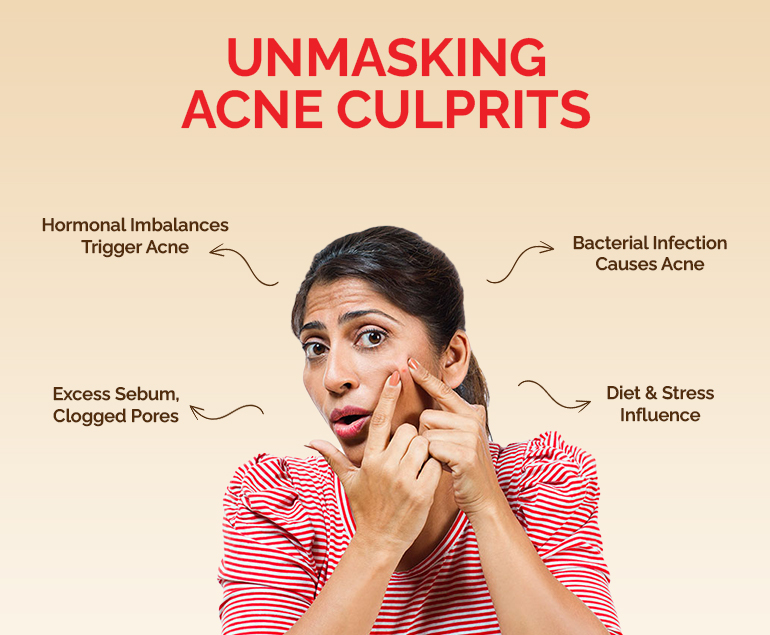
Acne is not solely a skin issue; it often has underlying causes that go beyond what’s visible on the surface. Hormonal imbalances, dietary choices, and even stress can contribute to the development of acne. To effectively manage and treat acne, it’s essential to address these underlying causes. A holistic approach to acne management, including lifestyle modifications and dietary adjustments, can be highly beneficial.

Misconception 5: Sun Exposure Clears Acne

Some people mistakenly believe that sun exposure can help clear acne. While sun exposure may initially dry out the skin and make acne lesions less visible, this effect is temporary and can be harmful in the long run. Prolonged sun exposure can lead to skin damage, premature aging, and even worsen acne by causing the skin to produce more oil as a protective measure. The use of sunscreen is essential to protect your skin from UV damage while managing acne.

Misconception 6: Acne Is a One-Size-Fits-All Condition

Acne is a complex and highly individualized condition. What works for one person may not work for another. The type of acne, its severity, and its underlying causes can vary widely between individuals. Consequently, there is no single “miracle” product or treatment that will work for everyone. It’s crucial to consult with a dermatologist to develop a personalized treatment plan that addresses your specific acne issues.

DELVING INTO THE UNDERLYING CAUSES OF ACNE

Now that we’ve cleared up some common misconceptions about acne, let’s delve into the underlying causes of this skin disorder. Understanding these causes can help you take a more informed approach to managing and treating your acne.

1. Hormonal Imbalances: Hormones play a significant role in acne development. Androgens, male hormones that both males and females have, can stimulate the sebaceous glands to produce more oil, making the skin more prone to acne. Hormonal fluctuations during puberty, menstruation, pregnancy, and menopause can all trigger or exacerbate acne.

2. Excess Sebum Production: The sebaceous glands in the skin produce sebum, an oily substance that helps protect and moisturize the skin. However, when these glands produce too much sebum, it can mix with dead skin cells and become trapped in hair follicles, leading to acne. This excess oil production can be influenced by hormones, genetics, and even certain medications.

3. Clogged Hair Follicles: Acne is often the result of hair follicles becoming clogged with a combination of excess sebum and dead skin cells. These clogged follicles create an environment where acne-causing bacteria can thrive, leading to inflammation and the formation of pimples.

4. Bacterial Infection: The bacterium Propionibacterium acnes (P. acnes) is a normal inhabitant of the skin, but when it multiplies excessively within clogged hair follicles, it can trigger inflammation and acne lesions.

5. Inflammation: Inflammation is a key driver of acne. It’s the body’s response to infection and irritation. In the context of acne, inflammation is a response to clogged hair follicles, bacterial infection, and the presence of excess oil. Inflammatory chemicals are released, leading to the redness, swelling, and discomfort associated with acne.

6. Genetics: Your genetic makeup can significantly influence your susceptibility to acne. If your parents or family members have a history of acne, you may be more prone to developing the condition.

Siracilt-website-Debunking acne myths

In conclusion, acne is a complex skin condition with a range of underlying causes. Dispelling common misconceptions about acne is essential to take the right approach to its management. Understanding the factors that contribute to acne can help you work with a dermatologist to develop a personalized treatment plan that addresses your specific needs. Remember that acne is a common and treatable condition, and with the right care, you can achieve clearer, healthier skin.

The importance of moisturizing

The importance of moisturizing

Beautiful, healthy skin is a reflection of good skincare practices. When it comes to maintaining skin health and combating environmental stressors year-round, few steps are as crucial as moisturizing. Whether it’s the dry, frigid winter months or the scorching heat of summer, your skin requires constant care and protection. In this blog, we’ll explore the reasons why moisturizing is a skincare essential, helping you achieve a radiant complexion while safeguarding your skin from the elements.

Hydration is the Key to Healthy Skin

Let’s start with the basics: our skin needs hydration to thrive. Skin is the body’s largest organ, and it performs vital functions such as regulating temperature and acting as a barrier against external threats. Without proper hydration, these functions can become compromised.

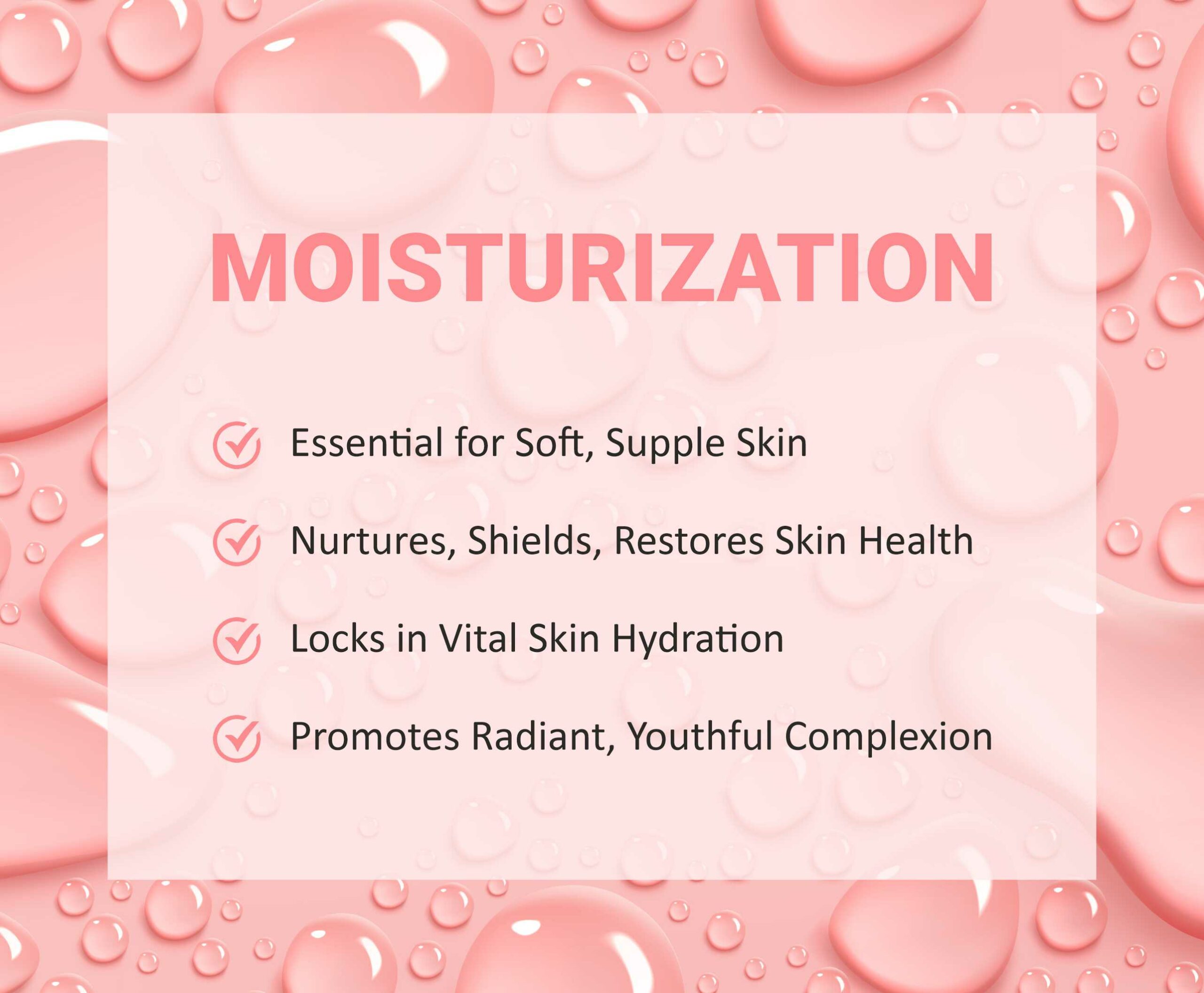
When your skin lacks moisture, it becomes dry, flaky, and prone to irritation. Dry skin is not just uncomfortable; it can lead to more serious issues, like eczema and dermatitis. By moisturizing regularly, you replenish your skin’s moisture content, ensuring it stays soft, supple, and resistant to environmental stressors.

Environmental Stressors Are Relentless

Environmental stressors, such as pollution, UV radiation, and harsh weather conditions, are a year-round challenge for our skin. These factors can damage our skin’s protective barrier and accelerate the aging process. Moisturizing acts as a shield, helping your skin fend off these threats.

In the winter, the cold air and indoor heating systems can strip your skin of its natural moisture, leaving it vulnerable to irritation and redness. On the other hand, summer brings intense UV rays and higher temperatures that can lead to sunburn, dehydration, and increased oil production. A good moisturizer acts as a barrier to protect your skin from these extreme conditions and maintain its equilibrium.

Environmental stressors, especially UV rays, are major contributors to premature ageing. Exposure to these stressors can lead to the formation of fine lines, wrinkles, and age spots. Moisturizers contain ingredients that can boost collagen production and improve skin elasticity, helping to maintain a youthful appearance. Look for products with antioxidants like vitamins C and E, which can neutralize free radicals and protect your skin from oxidative stress. 

Balancing Your Skin

Different seasons and environments can lead to imbalances in your skin. For example, in winter, your skin may become dry, while in the summer, it might become oily. Moisturizing can help you maintain a consistent balance, whatever the season.

Using a moisturizer that matches your skin type and the time of year can make a significant difference. In the winter, opt for a thicker, more emollient cream to combat dryness, while in the summer, go for a lighter, oil-free formula to avoid clogged pores. The right moisturizer can help keep your skin’s sebum production in check and reduce the likelihood of breakouts.

Enhancing Your Skin’s Natural Radiance

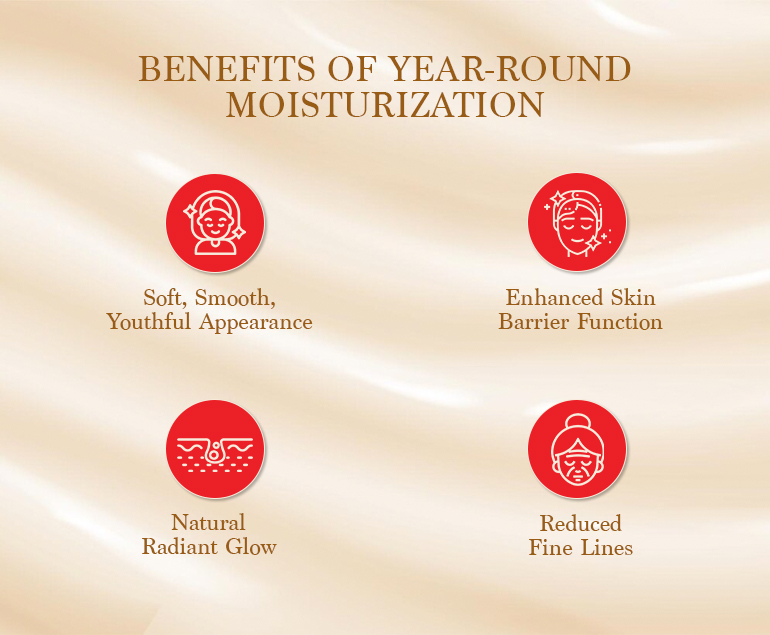
Healthy, well-moisturized skin has a natural radiance that can’t be achieved through makeup alone. A well-hydrated complexion reflects light more evenly, giving your skin that coveted glow. Proper moisturizing can help reduce the appearance of dull, lifeless skin.

In addition to moisturizing, exfoliation can also play a role in enhancing your skin’s radiance. By removing dead skin cells, exfoliation allows moisturizers to penetrate deeper and work more effectively. Regular exfoliation combined with proper moisturizing can leave your skin looking fresh and rejuvenated.

Improved Skin Texture

Moisturizing can help improve the texture of your skin. Dry and flaky skin often feels rough to the touch and can lead to a bumpy or uneven complexion. When you use a moisturizer regularly, it smoothens the surface of your skin, making it feel soft and look healthier.

Additionally, moisturizers can contain ingredients like hyaluronic acid and glycerin that have a plumping effect, making your skin appear more youthful and smooth. Proper hydration can even minimize the appearance of pores, giving you a more refined and flawless look.

Supporting Skin Healing

When your skin is exposed to environmental stressors, it can become damaged and lose its natural ability to repair itself. Proper moisturizing can provide the necessary support for your skin’s healing processes. It can help soothe irritated or inflamed skin, reduce redness, and prevent further damage.

For those with sensitive skin, moisturizing with a product that contains soothing ingredients can provide relief from irritation and redness. In cases of skin conditions such as eczema or psoriasis, moisturizers can be a vital part of the management plan.

Boosting Self-Confidence

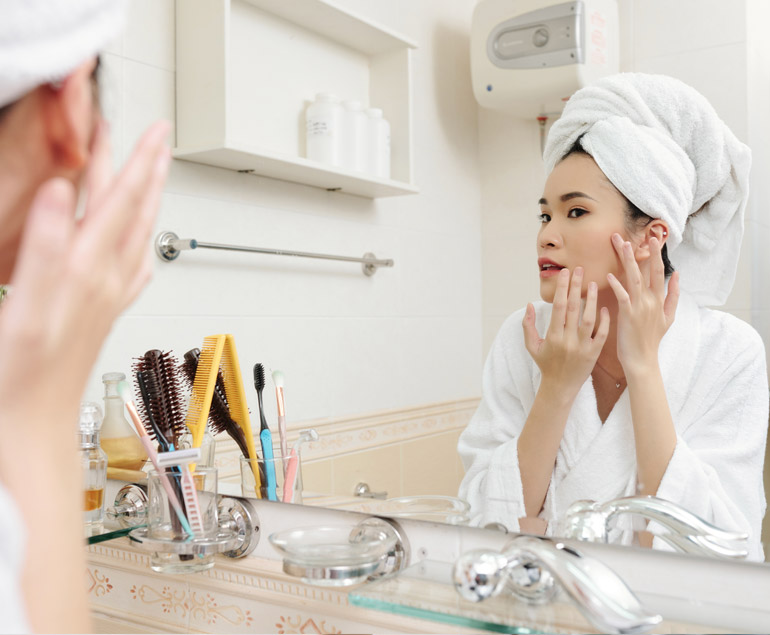
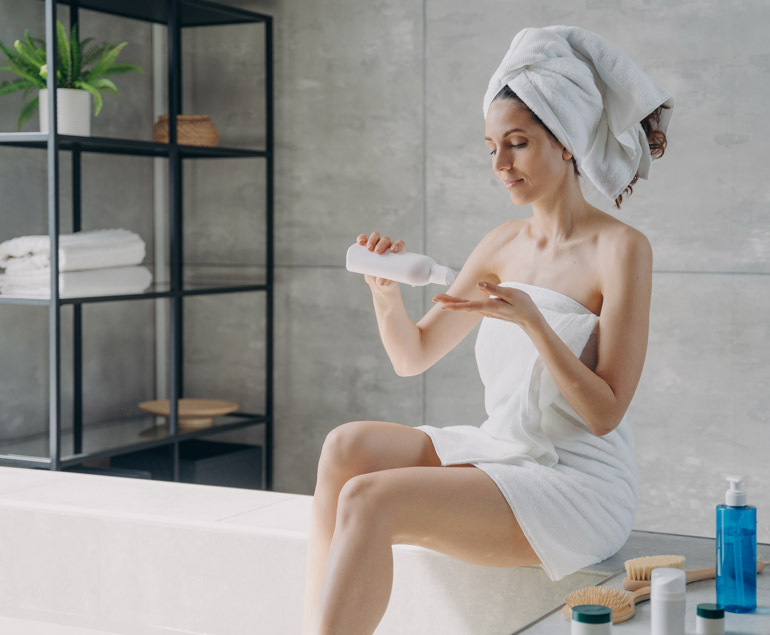
The condition of your skin can significantly impact your self-confidence. When your skin looks and feels healthy, you’re more likely to feel good about yourself. The act of moisturizing can also be a form of self-care and relaxation, contributing to your overall well-being.

Taking a few minutes each day to apply a moisturizer can become a calming ritual, helping you unwind and focus on yourself. This simple routine can have a profound effect on your mental health, as it encourages self-care and self-love.

Blog Banner 1 1 - Enavant

In conclusion, moisturizing is an essential step in any skincare routine, year-round. It acts as a protective shield against environmental stressors, prevents premature aging, maintains skin balance, and enhances the overall health and appearance of your skin. Regular moisturizing isn’t just about vanity; it’s about taking care of your skin’s health and well-being. So, don’t forget to include this essential step in your daily regimen, and your skin will thank you with a radiant, youthful, and glowing complexion.