Benefits of using PEA + Niacin + Vitamin E in your skincare regime

Benefits of using PEA + Niacin + Vitamin E in your skincare regime

Combining Niacinamide (Vitamin B3), Palmitoylethanolamide (PEA),  and Vitamin E in your skincare routine presents a multifaceted approach to skin health. This trio boasts anti-inflammatory properties, soothing irritation and redness while maintaining the skin’s moisture barrier, ensuring optimal hydration and protection. Additionally, their antioxidant capability shields against environmental damage, curbing premature aging. Together, they protect the skin’s natural defenses, aiding in barrier repair and reducing hyperpigmentation. With proven efficacy in moisturizing the dry skin, this combination addresses various skincare concerns holistically.

What is Palmitoylethanolamide (PEA) ?

Palmitoylethanolamide (PEA) offers a promising addition to daily skincare regimen. Known for its anti-inflammatory properties, PEA can soothe irritated skin, reducing redness and swelling. Its moisturizing capabilities help maintain skin hydration, preventing dryness and promoting a supple complexion. By supporting the skin’s natural barrier function, PEA aids in strengthening and repairing the protective layer, enhancing overall skin health. With its antioxidant properties, it guards against environmental stressors, preventing premature aging and maintaining a youthful appearance. Incorporating PEA into your daily skincare routine can contribute to calmer, healthier, and more radiant skin, making it a valuable asset for skincare enthusiasts.

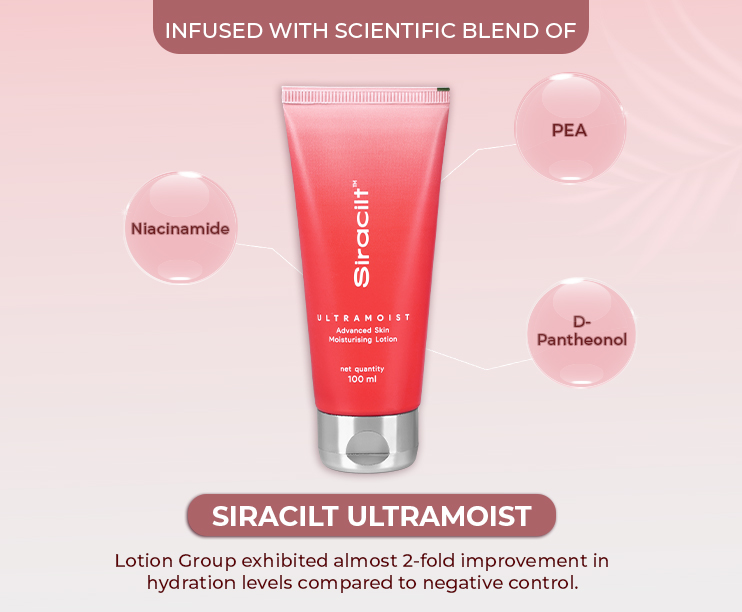
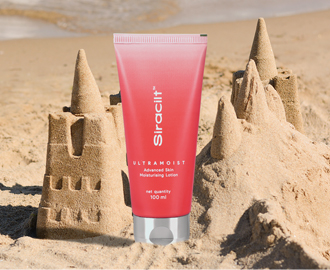
SIRACILT-ULTRAMOIST has been specially formulated combining the three components and converting it into a cosmetic product to offer exceptional skincare hydration benefits this summer. Its primary components include Palmitoylethanolamide (PEA) and Niacinamide. It possesses the natural ability to moisturize the skin effectively.

Application of Niacinamide + Vitamin E + PEA

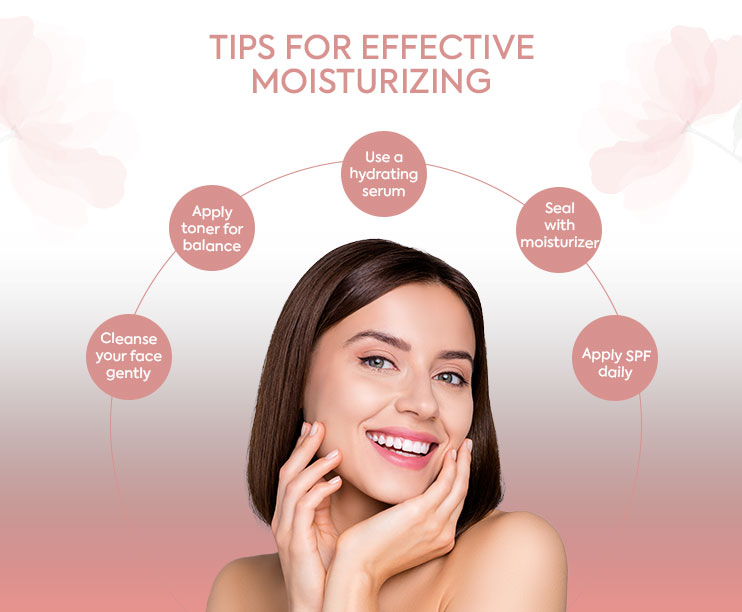
Ultra-moist, combining Niacinamide (Vitamin B3), Palmitoylethanolamide (PEA), and Vitamin E, is ideal for skincare. Start by cleansing your face with cleansing milk or a toner of your choice, then apply an optimum amount of Ultra-moist cream onto your fingertips. Gently massage it into your skin using upward, circular motions until fully absorbed. Focus on areas prone to dryness, irritation, or hyperpigmentation. Follow with your favorite sunscreen during the day. For best results,
use Ultra-moist daily as part of your morning and evening skincare routine to maintain hydrated, protected, and radiant skin. Adjust usage based on your skin’s response and consult a dermatologist for personalized advice. All the three components combine well with all the other products you may include in your daily skincare regime.


742 x 612 1 - Enavant

Benefits including Niacinamide, Vitamin E and PEA in your daily skincare routine

  • Anti-Inflammatory Action- First and foremost benefit of including Niacinamide, Vitamin E and PEA in skincare routine is that it collectively soothes skin by quelling inflammation, mitigating redness, and calming irritation. This trifecta effectively alleviates discomfort, fostering a balanced complexion. By targeting inflammation at its source, they promote skin health, restoring a serene and rejuvenated appearance.
  • Dryness- helps in combining forces to lock in moisture, ensuring sustained hydration for the skin. By forming a protective barrier, they prevent moisture loss, promoting a soft and supple complexion. This hydration not only prevents dryness but also enhances the skin’s resilience and overall health.
  • Hyperpigmentation Reduction- The synergistic action of Niacinamide, Vitamin E, and PEA addresses hyperpigmentation, effectively lightening dark spots and evening out skin tone. By inhibiting melanin production and promoting skin renewal, this trio diminishes discoloration, revealing a more uniform complexion and restoring confidence in one’s skin’s appearance.
  • Barrier Repair- Niacinamide, Vitamin E, and PEA collaborate to protect the skin’s barrier, By revitalizing its resilience and protective function. By replenishing essential lipids and supporting cell renewal, they facilitate repair of damaged skin, enhancing its ability to defend against environmental stressors and maintain optimal health, resulting in a strengthened and more resilient complexion.
  • Enhanced Protection- The trio ingredients form a potent shield against environmental aggressors, including pollution and UV radiation, which accelerate aging. Their antioxidant properties neutralize free radicals, preventing oxidative damage and preserving skin’s youthfulness. It ensures long-term protection and maintains a radiant, youthful complexion.
  • UV Protection- While Vitamin E is not a substitute for sunscreen, it offers supplementary protection against UV damage. Its antioxidant properties help neutralize free radicals generated by UV exposure, reducing oxidative stress on the skin. When combined with sunscreen, Vitamin E enhances overall sun protection, bolstering the skin’s defense against harmful UV rays.
  • Oil Regulation- Niacinamide’s ability to regulate sebum production is a boon for oily  skin types. By balancing oil levels, it helps prevent excess sebum buildup, reducing the likelihood of clogged pores. This regulation promotes a clearer complexion, glass like skin and improves overall skin health.

Integration in daily regimen

Integrating SIRACILT-ULTRAMOIST into your daily skincare regimen is a simple yet effective way to nourish and protect your skin. Begin your routine by cleansing your face with a gentle cleanser suited to your skin type. Following cleansing, apply ULTRAMOIST to your skin. Dispense a small amount onto your fingertips and gently massage it into your face and neck using upward, circular motions.

Allow the product to fully absorb into your skin before proceeding with any additional skincare steps. ULTRAMOIST’s potent blend of Niacinamide, Vitamin E, and PEA works synergistically to address various skin concerns, including inflammation, dehydration, and oxidative damage. For enhanced protection against environmental stressors, consider following ULTRAMOIST with a broad-spectrum sunscreen during the day. This additional layer of defense helps shield your skin from harmful UV rays and pollution, further safeguarding against premature aging and maintaining a youthful complexion.

In the evening, incorporate ULTRAMOIST into your nighttime skincare routine after cleansing. Follow it with any targeted treatments or serums you may use, allowing ULTRAMOIST to lock in moisture and optimize the efficacy of subsequent products.

PEA is one of the core ingredients of our product and is typically sourced from natural origins like soybeans, palm tree oil, cheese, butter or peanuts. Extraction methods from natural sources include solvent extraction or cold pressing. PEA’s anti-inflammatory properties make it popular in skincare. Its inclusion supports skin barrier function. Whether synthesized or extracted, PEA undergoes rigorous formulation to ensure efficacy and safety in skincare products, offering users a natural solution for addressing various skin concerns while promoting overall skin health.

With consistent use, SIRACILT-ULTRAMOIST can contribute to healthier, more radiant skin, making it a valuable addition to your daily skincare regimen.

Niacinamide: The Skincare Superhero for a Radiant Routine

Niacinamide: The Skincare Superhero for a Radiant Routine

In the realm of skincare, where every ingredient promises a fountain of youth or a miracle cure, one compound stands out for its simplicity and effectiveness: niacinamide. This versatile ingredient, also known as nicotinamide, is a form of vitamin B3 that plays a pivotal role in maintaining healthy skin. Its wide-ranging benefits have made niacinamide a staple in skincare routines and products, celebrated for its ability to address numerous skin concerns with minimal risk of irritation.

What is Niacinamide?

Niacinamide is a water-soluble vitamin that works with the natural substances in your skin to help visibly improve the appearance of enlarged pores, uneven skin tone, fine lines, dullness, and a weakened skin surface. Unlike many skincare ingredients that target specific concerns, niacinamide takes a more holistic approach, offering improvements across multiple fronts.

Applications in Skincare

Niacinamide’s versatility allows it to be used in various skincare products, ranging from serums and creams to face masks and sunscreens. Its compatibility with other skincare ingredients makes it a harmonious addition to both morning and evening routines, fitting seamlessly alongside active ingredients like retinol, peptides, hyaluronic acid, and AHAs/BHAs without causing skin irritation.

Benefits of Adding Niacinamide to Your Skincare Routine

742 x 612 - Enavant

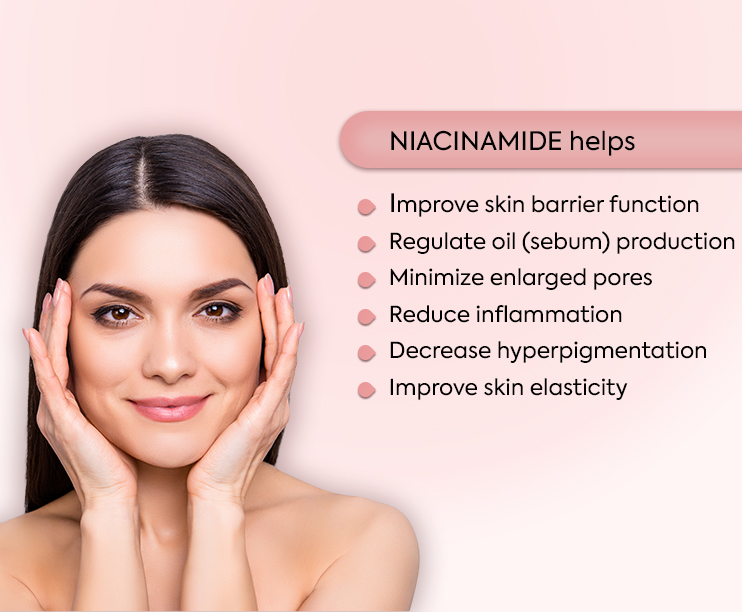
1. Improves Skin Barrier Function: One of the key benefits of niacinamide is its ability to strengthen the skin’s barrier function. This is crucial for keeping harmful pollutants and irritants out and locking moisture in, resulting in healthier, more hydrated skin.

2. Regulates Oil Production: For those battling oily skin, niacinamide can regulate sebum production, reducing the occurrence of breakouts and giving the skin a more matte finish.

3. Minimizes Pore Appearance: By keeping skin smooth and moisturized, niacinamide helps reduce the appearance of enlarged pores, a common concern that can lead to a less refined skin texture.

4. Reduces Redness and Blotchiness: Niacinamide has anti-inflammatory properties that can calm skin prone to redness and blotchiness, offering relief for conditions like rosacea and acne.

5. Decrease hyperpigmentation: Regular use of niacinamide can lighten dark spots and hyperpigmentation by slowing down the transfer of melanin to your skin’s surface, promoting an even skin tone.

6. Protects against Environmental Stress: Niacinamide helps build cells in the skin while also protecting them from environmental stresses, such as sunlight, pollution, and toxins.

7. Minimizes Fine Lines and Wrinkles: By boosting collagen production, niacinamide may help to soften fine lines and wrinkles, contributing to a more youthful complexion.

8. Works for All Skin Types: Its gentle nature makes niacinamide suitable for all skin types, from dry to oily and even sensitive skin.

Incorporating Niacinamide into your skincare routine

Integrating niacinamide into your skincare regimen is straightforward. Start by choosing skincare products that contain niacinamide. You can apply niacinamide products in the morning or use them as part of your night-time routine. For best results, consistency is key—make niacinamide a regular part of your skincare to see significant improvements over time.

When shopping for skincare products, look for niacinamide in the ingredient list. It is often found in formulations that target specific concerns like aging or acne, making it a versatile addition to your skincare collection. Whether you are dealing with specific skin issues or simply aiming for an overall glow, incorporating niacinamide can elevate your skincare routine to new heights.

Niacinamide exemplifies how powerful simple ingredients can be. Its multitude of benefits makes it a must-have in the skincare world, suitable for anyone looking to enhance their skincare routine. By improving skin barrier function, reducing inflammation, and promoting an even skin tone, niacinamide stands out as a skincare hero. As with any skincare product, it is important to pay attention to how your skin reacts and adjust your usage accordingly. With the inclusion of niacinamide in your skincare routine, you are not just caring for your skin today—you are investing in its health for the future.

Navigating the Sensitive Skin Saga: Tips, Tricks and Treatments

Navigating the Sensitive Skin Saga: Tips, Tricks and Treatments

Delve into the delicate world of sensitive skin care, where soothing remedies and gentle routines reign supreme. Uncover expert advice, product recommendations, and holistic approaches to managing sensitivity, ensuring your skin feels calm, happy, and cared for every day. 

In the realm of skincare, sensitivity is a delicate matter that requires tender care and attention. Whether it is triggered by environmental factors, genetics, or specific ingredients, sensitive skin demands a unique approach to ensure its well-being. In this comprehensive guide, we will embark on a journey through the intricate world of sensitive skin care, unveiling expert advice, product recommendations, and holistic approaches to managing sensitivity and nurturing your skin to radiance.

Sensitive Skin Woes - Enavant

Understanding the sensitive skin ecosystem is the first step towards effective care.

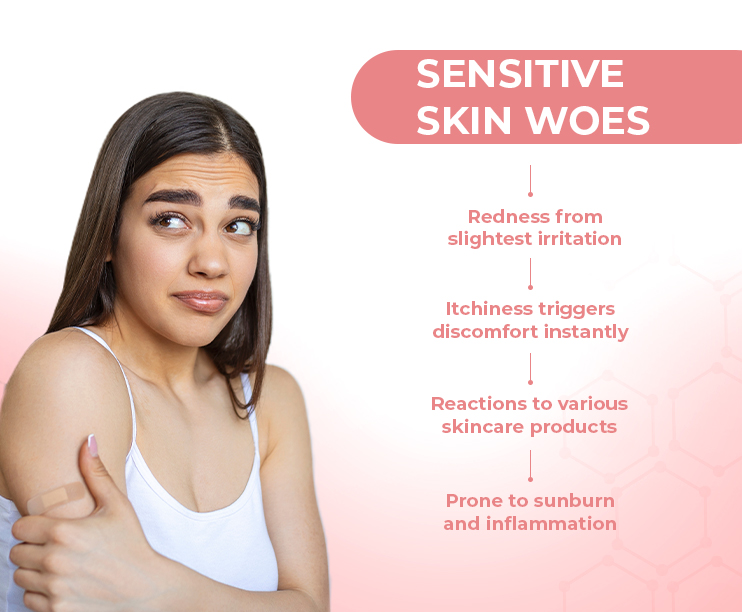
Sensitive skin tends to react more strongly to external factors such as harsh weather conditions, pollution, and certain skincare products. It’s crucial to identify triggers and avoid products containing potential irritants like fragrances, alcohol, and harsh chemicals. Opting for gentle, hypoallergenic formulations can help maintain the skin’s delicate balance while providing essential nourishment. 

Hydration is key to supporting sensitive skin’s natural barrier function and minimizing irritation.

Incorporating hydrating ingredients like hyaluronic acid, glycerin, and ceramides into your skincare routine can replenish moisture levels and soothe sensitivity. Additionally, using a lightweight, non-comedogenic moisturizer can provide long-lasting hydration without clogging pores or exacerbating sensitivity. 

When it comes to cleansing sensitive skin, less is often more.

Harsh cleansers and vigorous scrubbing can strip the skin of its natural oils and disrupt its protective barrier, leading to increased sensitivity. Opt for mild, fragrance-free cleansers that gently remove impurities without causing irritation. Consider incorporating double cleansing with a micellar water or oil-based cleanser followed by a gentle foaming cleanser to effectively remove makeup and impurities while respecting the skin’s integrity. 

In addition to external care, addressing internal factors can also play a significant role in managing sensitive skin. A balanced diet rich in antioxidants, vitamins, and essential fatty acids can support skin health from within. Incorporating foods like fruits, vegetables, whole grains, and omega-3 fatty acids can help reduce inflammation and strengthen the skin’s resilience to external stressors. 

In conclusion,

Sensitive skin care is a nuanced journey that requires patience, understanding, and a tailored approach. By embracing gentle remedies, nourishing formulations, and holistic practices, you can cultivate a skincare routine that nurtures your skin and promotes a lasting sense of calm and comfort. Remember to listen to your skin’s cues, prioritize hydration and protection, and celebrate the unique beauty of your sensitive skin. 

Summer Skin S.O.S.: Essential tips for sun-kissed skincare

Summer Skin S.O.S.: Essential tips for sun-kissed skincare

Explore the sizzling world of summer skincare, where protection meets perfection. From SPF secrets to hydration hacks, uncover expert advice and product picks to keep your skin glowing, healthy, and resilient under the summer sun. Beat the heat and embrace your radiant summer glow!

SIZZLE AND SHINE: YOUR GUIDE TO SUMMER SKINCARE

Welcome to the scorching world of summer skincare, where protection meets perfection under the blazing sun! In this blog, we will embark on a journey through SPF secrets, hydration hacks, and expert advice to keep your skin glowing, healthy, and resilient throughout the sizzling summer months. Get ready to beat the heat and embrace your radiant summer glow!

The Importance of Summer Skincare

As the sun’s rays intensify, so do the risks of your skin. From sunburns and premature ageing to UV exposure poses a myriad of threats. However, with the right skincare routine and products, you can shield your skin from harm while basking in the beauty of summer.

SPF Secrets Unveiled

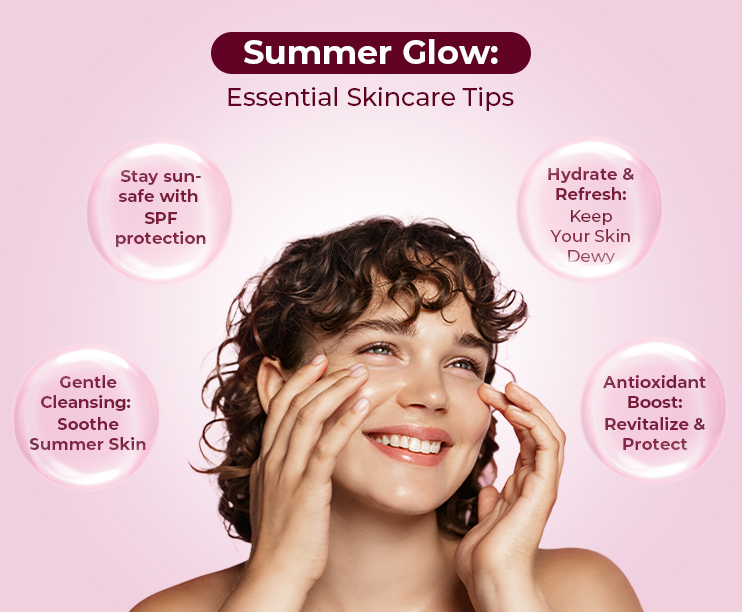
Sunscreen is your skin’s best friend during the summer months. Opt for a broad-spectrum sunscreen with SPF 30 or higher to protect against both UVA and UVB rays. Don’t forget to reapply every two hours, especially after swimming or sweating. Embrace hats, sunglasses, and seek shade during peak sun hours for added protection.

Hydration Hacks for Summer Skin

Hydration is key to maintaining healthy and glowing skin, particularly in the summer heat. Incorporate lightweight, oil-free moisturizers into your skincare routine to lock in moisture without clogging pores. Hyaluronic acid serums are a summer staple, offering intense hydration without the heaviness. Don’t skimp on water intake – stay hydrated from the inside out!

742 x 612 - Enavant

Choose products to suit your skin

Tailor a regimen that suits your skin type and concerns. Look for products enriched with antioxidants like vitamin C and E to combat free radical damage caused by sun exposure. Incorporate gentle exfoliants to slough off dead skin cells and reveal a fresh, radiant complexion.

Choose skincare products enriched with Lactoferrin. Serums, creams, and cleansers infused with this wonder ingredient offer a natural boost to your skincare regimen. Products with Niacinamide (Vitamin B3) is a natural anti-inflammatory ingredient and helps in calming irritated skin & good for people with sensitive skin.

Embrace Your Radiant Summer Glow

Summer skincare is not just about protection – it’s about celebration! Embrace your natural beauty and radiate confidence under the summer sun. Rock breathable fabrics, opt for minimal makeup, and let your skin breathe. Remember, true beauty shines from within!

In Conclusion 

Summer skincare is all about protection, hydration, and embracing your natural beauty. With the right products and practices, you can keep your skin healthy, radiant, and resilient throughout the sizzling summer months. So, lather on that sunscreen, sip on that water, and shine bright like the summer sun!

LACTOFERRIN: The Hidden Treasure For skin Health

LACTOFERRIN: The Hidden Treasure For Skin Health

The Secret to Radiant Skin

Ever heard of Lactoferrin? This unsung hero isn’t just a mouthful to say; it’s a superstar in skincare! Beyond its lesser-known name lies a treasure trove of skin-loving benefits backed by science.

What is Lactoferrin?

Lactoferrin is a natural protein found in our body, celebrated for its multitasking abilities. It’s our internal defender, usually associated with immunity. But did you know it’s also a hidden gem for skincare?

SKIN’S BEST FRIEND: LACTOFERRIN’S ENDLESS BENEFITS

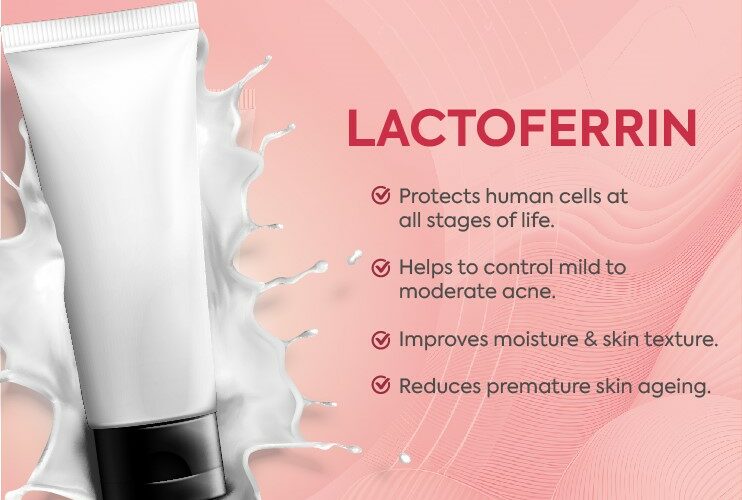
Lactoferrin skincare benefits highlighted.

Nature’s defense protein: 

Lactoferrin has a broad-spectrum primary defense activity against microbial activity. Widely present in many secretions such as saliva, bile, tears and pancreas. Lactoferrin (Lf) known as a natural antibiotic and plays roles in protecting human cells at all stages of life.

Guardian of Radiance:

Lactoferrin works wonders in maintaining a healthy skin. Clinical studies showcase its ability in controlling mild to moderate acne and lead to overall improvement.

Improves moisture and skin texture:

Lactoferrin enhances skin texture and moisture, counteracting dryness prevalent in winter that triggers skin inflammation and increases water loss through the skin barrier. Its topical application helps alleviate these issues, curbing transepidermal water loss and soothing potential inflammation caused by dry environmental conditions.3

Reduces premature ageing:

Lactoferrin’s prowess may help in reducing premature ageing. Anti-ageing interventions of Lactoferrin have proven to be safe and effective for various pharmacological activities including as anti-oxidation, anti-cellular senescence, anti-inflammation. 4

EMBRACING LACTOFERRIN IN YOUR SKINCARE ROUTINE

Now, how to reap these benefits? Look for skincare products enriched with Lactoferrin. Serums, creams, and cleansers infused with this wonder ingredient offer a natural boost to your skincare regimen.

Unlocking Beauty with Lactoferrin

Who knew Lactoferrin, our body’s silent defender, could be the key to unlocking radiant, healthy skin? Backed by scientific studies, its endogenous properties offer a natural and effective way to nourish and protect your skin.

Understanding Palmitoylethanolamide (PEA) In Skincare: A Moisturizing Marvel

Understanding Palmitoylethanolamide (PEA) In Skincare: A Moisturizing Marvel

Unveiling the Skin’s Superhero

In the world of skincare, Palmitoylethanolamide, also known as PEA, has emerged as a powerhouse ingredient, not only for its obscure name but also for its incredible benefits for the skin. Despite its complex-sounding scientific title, the magic lies in its ability to moisturize and combat pesky allergies, rendering it a superhero in skincare.

What is Palmitoylethanolamide (PEA)?

PEA is a naturally occurring fatty acid amide produced within the body to maintain balance and homeostasis. Remarkably, it’s also found in various foods like egg yolks and peanuts. But what makes it so intriguing is its capacity to influence the body’s natural responses, especially when it comes to skin health.

Moisturizing Marvel: PEA’s Hydrating Charm

Research suggests that PEA plays a pivotal role in maintaining the skin’s moisture levels. Unlike many moisturizers that work on the surface, PEA dives deeper, supporting the skin’s natural lipid barrier. This helps in preventing moisture loss and keeping the skin supple and hydrated, making it a savior for dry, parched skin. Clinical studies highlights PEA’s ability to enhance skin hydration, demonstrating its potential as a groundbreaking ingredient in skincare products.1 & 2

Blog 2 Pea 742 x 612 1 - Enavant

Combatting Allergies: PEA’s Soothing Touch

Ah, those pesky allergies! Whether it’s redness, itchiness, or irritation, they can wreak havoc on the skin. Fear not, for PEA comes to the rescue yet again. Studies, such as those by Skaper et al. (2014) and Impellizzeri et al. (2016), indicate that PEA possesses potent anti-allergic and anti-inflammatory properties. By modulating certain pathways in the body, PEA helps alleviate allergic reactions, soothing the skin and restoring its calmness. 

Incorporating PEA into Your Skincare Routine

Now that the secret’s out, you might wonder how to integrate this superhero ingredient into your skincare regimen. Look for skincare products containing PEA or its derivatives. Whether it’s creams, serums, or lotions, these formulations harness the power of PEA to deliver its benefits effectively.

Key benefits of Palmitoylethanolamide (PEA) in skincare

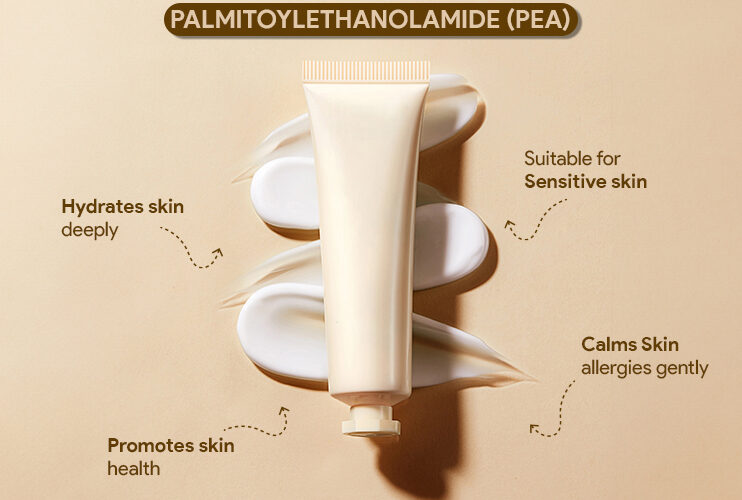
Moisturizing Marvel: PEA supports the skin’s natural lipid barrier, aiding in moisture retention. It prevents dehydration, keeping the skin supple and hydrated.

Anti-Allergic Support: PEA possesses anti-inflammatory properties that help soothe allergic reactions on the skin. It reduces redness, itchiness, and irritation, promoting a calmer complexion.

Promotes Skin Health: By modulating certain pathways in the body, PEA contributes to skin health, addressing various concerns from dryness to hypersensitivity, promoting a healthier overall appearance.

Gentle Skincare Solution: PEA is generally well-tolerated, making it suitable for various skin types, including sensitive skin. It offers gentle yet effective support for improved skin conditions without harsh side effects.

Embrace the Power of PEA for Radiant Skin

Palmitoylethanolamide might have a name that’s a mouthful, but its benefits for skincare speak volumes. From hydrating dry skin to calming allergic reactions, its prowess in promoting healthy and radiant skin is backed by scientific research.

FAQs:
  1. How does Palmitoylethanolamide (PEA) benefit skin hydration?

PEA aids in maintaining the skin’s moisture levels by supporting its natural lipid barrier, preventing moisture loss and keeping the skin hydrated and supple.

  1. Can Palmitoylethanolamide (PEA) help with allergic reactions on the skin?

Yes, PEA possesses anti-allergic properties that can help alleviate skin allergies. It works by modulating certain pathways in the body, soothing irritation, redness, and itchiness.

  1. Are there specific skincare products that contain Palmitoylethanolamide (PEA)?

Yes, there are skincare products such as creams, serums, and lotions formulated with PEA or its derivatives. These products harness the moisturizing and anti-allergic benefits of PEA for effective skincare.

  1. Is Palmitoylethanolamide (PEA) safe for sensitive skin types?

PEA is generally well-tolerated and suitable for sensitive skin. However, it’s advisable to perform a patch test before using new skincare products containing PEA to ensure compatibility with your skin.

References:
  1. https://www.sciencedirect.com/science/article/abs/pii/S0014299913009497?via%3Dihub
  2. https://pubmed.ncbi.nlm.nih.gov/19909294/

Unveiling palmitoylethanolamide (PEA) – nature’s secret to radiant skin

Unveiling palmitoylethanolamide (PEA) – nature’s secret to radiant skin

In the bustling realm of skincare, there’s a silent hero that often goes unnoticed: Palmitoylethanolamide, or PEA. Let’s embark on an enlightening journey into the world of this natural compound and its remarkable role in nurturing your skin.

INTRODUCING PALMITOYLETHANOLAMIDE (PEA)

Ever heard of a substance that naturally occurs in your body and can work wonders for your skin? Meet Palmitoylethanolamide, or PEA for short. This fatty acid amide is a hidden gem in the world of skincare, and it is time we shine a light on its incredible benefits.

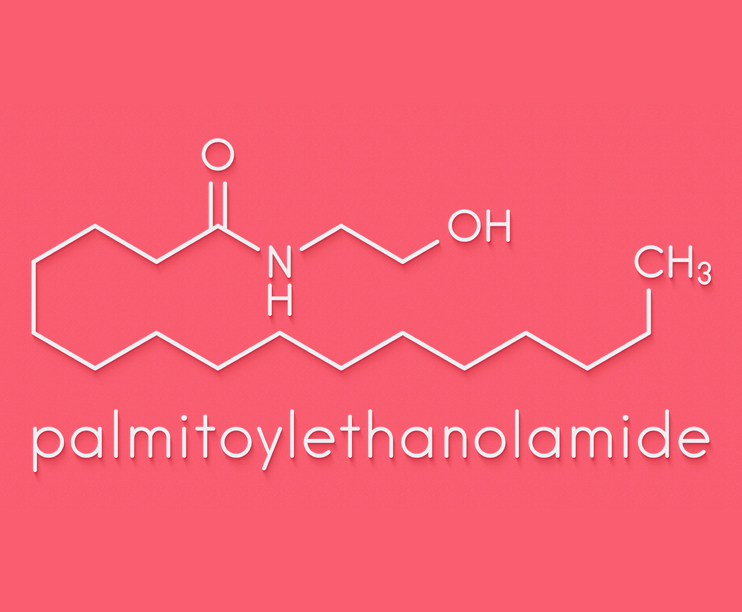
Chemical structure of palmitoylethanolamide

PEA is a naturally occurring bioactive lipid that plays a crucial role in various biological functions in our body. It’s found in small amounts in foods like eggs, peanuts, and soybeans. But the real magic happens when it’s applied to our skin.

THE SCIENCE OF PEA: HOW IT WORKS FOR YOUR SKIN

Beyond its known contributions to pain modulation and anti-inflammatory effects, PEA unveils its prowess as a potential game-changer in skincare. Compared with traditional emollients, regular application of a topical PEA emollient could improve both passive and active skin functions simultaneously.1

Anti-Inflammatory Champion: PEA’s anti-inflammatory nature plays a pivotal role in skincare, calming irritated skin and reducing redness or swelling caused by various skin conditions.

Skin Barrier Support: Acting as a shield, PEA aids in maintaining the skin barrier’s integrity, enhancing its ability to retain moisture and defend against external aggressors. Using a cream with PEA regularly can help make your skin work better. It improves how your skin stays hydrated and how it defends against problems.2

Soothing Sensitive Skin

PEA has been celebrated for its soothing properties. If you have sensitive skin that gets easily irritated, PEA can be a game-changer. It helps calm inflammation and reduces redness, making your skin feel comfortable and look more even-toned.2

Hydrating and Nourishing

PEA is not just about soothing and anti-aging. It’s also a fantastic hydrator. It helps strengthen your skin’s barrier function, locking in moisture and keeping your skin plump and hydrated.2

PEA IN SKINCARE PRODUCTS: THE QUIET REVOLUTION

Gentle Hydration: PEA-infused skincare products offer gentle, long-lasting hydration without clogging pores, catering to both dry and sensitive skin types.

Soothing Sensation: Embrace the soothing embrace of PEA-enriched formulations, known for their calming effects on irritated or sensitive skin, providing relief and comfort.

EMBRACING PEA: TIPS FOR INCORPORATING IT INTO YOUR ROUTINE

Choosing Products: Look for creams, serums, or lotions containing PEA as an active ingredient to experience its skin-nourishing benefits.

Patch Testing: Always patch test new products to ensure compatibility with your skin and to avoid any adverse reactions.

Consultation is Key: While PEA holds promise, consulting a dermatologist or skincare professional remains essential for personalized advice and recommendations tailored to your skin’s unique needs.

Embracing the PEA Power

Palmitoylethanolamide emerges as a natural ally in skincare, offering a blend of soothing, hydrating, and protective qualities. By incorporating PEA-infused products into your routine and embracing its nurturing properties, you pave the way for healthier, happier skin.

In this voyage through the world of skincare, PEA stands as a testament to nature’s wisdom—a gentle yet powerful solution for skin that radiates with vitality and well-being. Palmitoylethanolamide is a versatile and effective ingredient that deserves a spot in your skincare arsenal. Whether you’re dealing with sensitivity, itching or dryness PEA offers a natural and gentle solution. Give it a try and embrace the skin you’re in!

  1. https://www.ncbi.nlm.nih.gov/pmc/articles/PMC4111646/
  2. https://www.ncbi.nlm.nih.gov/pmc/articles/PMC4111646/

The quest for clearer skin

The quest for clearer skin 

Acne, a common skin condition that affects people of all ages, can be a frustrating and confidence-shattering experience. Its causes are multifaceted and complex, making it vital to understand the various factors that contribute to acne. In this comprehensive guide, we will delve into the diverse causes of acne, from genetics and hormones to lifestyle and skincare choices, to help you achieve clearer and healthier skin.

Genetics: The Family Connection

Acne often has a hereditary component. If your parents or close family members had acne during their lives, you are more likely to develop it as well. While genetics alone won’t guarantee that you’ll experience acne, it does play a significant role in determining your susceptibility. Understanding your family history can help you anticipate and manage potential acne issues.

Hormones: The Powerhouses of Acne

Hormonal changes play a pivotal role in the development of acne. Androgens, which are male hormones present in both males and females, can stimulate the sebaceous (oil) glands to produce more sebum, the skin’s natural oil. This excess sebum, when combined with dead skin cells, can clog hair follicles, leading to the formation of acne lesions.

During puberty, the surge of hormones can cause an increase in sebum production. Women may also experience hormonal acne during their menstrual cycle, pregnancy, or menopause due to hormonal shifts. Hormonal therapies, such as oral contraceptives, can help regulate these fluctuations and reduce acne.

Excess Sebum Production: The Oil Factor

The sebaceous glands in the skin produce sebum, which is essential for keeping the skin moisturized and protected. However, when these glands produce an excessive amount of sebum, it can contribute to acne development. Several factors can lead to overproduction of sebum, including hormonal imbalances, genetics, and certain medications.

Clogged Hair Follicles: The Acne Incubator

One of the fundamental aspects of acne is the clogging of hair follicles. When sebum and dead skin cells combine and block the hair follicles, it creates an environment ripe for acne-causing bacteria to thrive. This leads to the formation of comedones (blackheads and whiteheads), pustules, papules, and cysts – all types of acne lesions.

Bacterial Infection: The Microbial Culprit

Propionibacterium acnes, or P. acnes, is a bacterium that is a normal inhabitant of the skin. In moderation, it doesn’t cause issues, but when it multiplies excessively within clogged hair follicles, it can trigger inflammation and acne lesions. P. acnes feeds on sebum, producing inflammatory substances that lead to redness, swelling, and the formation of pimples.

Inflammation: The Red Alert

Inflammation is a key driver of acne. It’s the body’s response to infection and irritation. When hair follicles become clogged, bacterial infection occurs, or there is an excess of oil, the body’s immune system reacts by releasing inflammatory chemicals. These chemicals contribute to the redness, swelling, and discomfort associated with acne.

Diet and Lifestyle

Diet and lifestyle choices also play a significant role in acne development. While it’s a common misconception that chocolate and greasy foods directly cause acne, there is evidence to suggest that certain dietary factors can exacerbate the condition. High-glycemic-index foods, dairy products, and excessive sugar consumption have been associated with an increased risk of acne for certain people. Maintaining a balanced diet and avoiding triggers can be a helpful strategy in managing your acne.

Stress is another lifestyle factor that can impact acne. Stress can lead to the release of hormones that stimulate sebum production, exacerbating the condition. Engaging in stress-reduction techniques, such as mindfulness and relaxation exercises, can help manage stress and, in turn, improve acne.

Skincare Choices: The Right Regimen

Skincare choices can either help or hinder your journey to clearer skin. It’s crucial to choose products that match your skin type and are designed for acne-prone skin. Overusing or harshly scrubbing the skin can strip it of natural oils and worsen acne, so gentle and consistent care is essential.

Consider using products containing ingredients like salicylic acid or benzoyl peroxide, which are known to help unclog pores and kill acne-causing bacteria. Additionally, regular exfoliation can help remove dead skin cells, reducing the likelihood of clogged pores.

Environmental Factors: Pollution and UV Exposure

Environmental factors can also play a role in acne. Air pollution, especially in urban areas, can deposit particles onto the skin, which may contribute to clogged pores and inflammation. On the other hand, excessive exposure to UV rays can lead to skin damage and can exacerbate acne.

Using a gentle cleanser to remove pollutants and wearing sunscreen daily can help protect your skin from these environmental stressors.

Prescription and Over-the-Counter Treatments: Seeking Professional Help

When home remedies and over-the-counter products do not provide the desired results, it’s time to consult a dermatologist. Dermatologists can prescribe a range of treatments, including topical and oral medications, to target the underlying causes of acne. These treatments can help regulate sebum production, reduce inflammation, and control bacterial growth, ultimately leading to clearer skin.

In conclusion, acne is a complex skin condition with numerous contributing factors. A comprehensive approach to managing and treating acne involves understanding these multifaceted causes and addressing them accordingly. Whether it’s genetics, hormonal imbalances, diet, or skincare choices, taking a holistic view of your skin and consulting with a dermatologist when necessary is crucial for achieving clearer, healthier skin. Remember, acne is a common condition, and with the right care, you can regain your confidence and achieve the radiant skin you deserve.

Cracking the code of soft skin

Cracking the code of soft skin

The pursuit of soft, supple skin is a timeless endeavor, and one of the secrets to achieving it lies in proper body moisturization. Beyond just the sensation of silkiness, moisturizing offers a myriad of benefits that go well beyond the surface. In this blog, we’ll delve into the science behind body moisturization and uncover the numerous advantages it offers for skin texture, vitality, and overall health.

The Science Behind Body Moisturization

The Stratum Corneum: To understand the science of body moisturization, we must first grasp the importance of the skin’s outermost layer, the stratum corneum. This layer is comprised of corneocytes (dead skin cells) embedded in a lipid matrix, forming a protective barrier. The stratum corneum serves as a fortress against external aggressors, sealing in moisture and safeguarding the skin from environmental damage.

Trans-Epidermal Water Loss (TEWL)

TEWL can be triggered by: Skin conditions like eczema, dermatitis or rosacea. Dry weather or excessive time with dry air indoors (i.e. from air conditioners and central heating) Over-washing, over-exfoliating and scrubbing with harsh soaps. Water from the skin is lost to the external environment. Elevated TEWL results in skin dehydration, dryness, and can exacerbate existing skin conditions. Proper body moisturization plays a pivotal role in maintaining the integrity of the stratum corneum, preventing excessive TEWL, and preserving skin hydration.

Lipid Barrier

The skin’s lipid barrier is another crucial component in the science of moisturization. Lipids, or fats, play a key role in sealing in moisture and protecting the skin. A well-functioning lipid barrier is essential for retaining moisture and creating a plump, youthful appearance. Moisturizers often contain ingredients that mimic the skin’s natural lipids, helping to fortify and repair the lipid barrier.

BENEFITS OF BODY MOISTURIZATION

Hydration and Softness: The most immediate and obvious benefit of body moisturization is skin hydration and softness. A well-moisturized skin feels smooth and comfortable. Moisturizers are designed to replenish the skin’s water content, combating dryness and flakiness, and providing immediate relief.

Improved Skin Texture: Moisturization helps to improve skin texture by softening rough patches and reducing the appearance of fine lines and wrinkles. The smoothing effect comes from the restoration of the skin’s lipid barrier, which retains moisture and promotes a firmer, more youthful appearance.

Elasticity and Firmness: Properly moisturized skin maintains elasticity and firmness. Moisturizers often contain ingredients like hyaluronic acid and peptides that boost collagen production, essential for skin elasticity. Collagen helps the skin remain taut and supple, delaying the development of sagging or loose skin.

Radiance and Vitality: Moisturization unlocks the skin’s inner radiance. Well-hydrated skin reflects light more evenly, creating a luminous, radiant complexion. Dull, lackluster skin can regain its vitality and youthful glow with regular body moisturization.

Protection Against Environmental Stressors: Just as the stratum corneum protects the skin, moisturization forms a secondary barrier that shields the skin from environmental stressors. This protective layer minimizes the impact of UV radiation, pollution, and harsh weather conditions, helping to maintain skin health and vitality.

Prevention of Skin Conditions: Dry, under-moisturized skin is more susceptible to various skin conditions, including eczema, psoriasis, and dermatitis. Moisturization helps to reduce the likelihood of these conditions, making it an essential part of the management plan for individuals with sensitive or problem-prone skin.

Comfort and Relief: For individuals with skin discomfort due to irritation, itching, or dryness, moisturization provides much-needed relief. Ingredients like aloe vera and chamomile can help soothe irritated skin, reducing redness and discomfort.

Anti-Ageing Benefits: The science of moisturization extends to anti-ageing benefits. Hydrated skin appears more youthful, and many moisturizers contain antioxidants that neutralize free radicals, slowing the ageing process. Ingredients like retinol can stimulate collagen production, reducing the appearance of fine lines and wrinkles.

THE ART OF BODY MOISTURIZATION

Achieving the full benefits of body moisturization requires the right approach. Here’s how to make the most of your moisturizing routine:

Choose the Right Moisturizer: Select a body moisturizer that suits your skin type and any specific concerns you may have. Consider ingredients that address your unique needs, such as dryness, sensitivity, or anti-aging.

Apply After Bathing: The best time to apply a moisturizer is after bathing when your skin is clean and still slightly damp. This allows the moisturizer to lock in moisture more effectively.

Use Gentle, Circular Motions: Apply the moisturizer using gentle, circular motions to ensure even coverage and improved absorption. Don’t forget often-neglected areas like the neck, elbows, and knees.

Consistency is Key: Moisturizing is most effective when done consistently. Make it a daily routine to see the best results.

blog-Cracking the code of soft skin

In conclusion, the science of body moisturization is not merely about surface-level softness; it is a complex and deeply important process that nurtures and protects the skin. It involves preserving the stratum corneum, fortifying the lipid barrier, and preventing Trans-Epidermal Water Loss. The benefits are numerous and extend beyond hydration to improved skin texture, vitality, and even protection against environmental stressors and skin conditions. With the right moisturization routine, you can unlock the secret to soft, supple, and radiant skin, reaping the benefits of youthful vitality and overall skin health.

Unlocking the secret to youthful glow

Unlocking the secret to youthful glow

The Importance of Body Moisturization

In the quest for radiant, healthy skin, the focus is often placed squarely on facial skincare routines, with little attention given to the rest of the body. However, the importance of body moisturization cannot be overstated. Moisturizing your body is not just about achieving soft, supple skin; it plays a crucial role in overall skin health and can contribute to that coveted youthful glow. In this blog, we’ll dive into why body moisturization is a skincare essential, unveiling the secrets to maintaining your skin’s vitality and radiance.

1. Hydration, Inside and Out  

Our skin, the body’s largest organ, relies on hydration to maintain its health and function. Just as we need water to stay internally hydrated, our skin needs moisture to stay externally nourished. When the skin lacks moisture, it can become dry, flaky, and irritated. These dry patches can lead to itchiness and discomfort.

Body moisturization provides the external hydration your skin needs. It helps in replenishing and sealing in the moisture, creating a protective barrier that keeps your skin soft, supple, and free from discomfort.

2. The Ageing Dilemma

As we age, our skin tends to lose its natural moisture and elasticity. This process can result in the development of fine lines, wrinkles, and sagging skin. To combat these visible signs of aging, maintaining adequate moisture levels is crucial.

Body moisturization can effectively address these age-related concerns. It enhances skin elasticity, reducing the appearance of fine lines and wrinkles. Moisturizers often contain ingredients such as hyaluronic acid, which plump and firm the skin, providing a more youthful appearance. When consistently applied to the body, these benefits extend beyond the face, contributing to an overall more youthful look.

3. Radiance and Vitality

Youthful, glowing skin isn’t just about being wrinkle-free; it’s also about radiance and vitality. Dry, lackluster skin can make you look and feel older than you are. Body moisturization can help unlock your skin’s inner radiance by ensuring that it’s well-hydrated and healthy.

When your skin is well-moisturized, it reflects light more evenly. This even reflection of light creates the illusion of a more radiant complexion, giving your skin a healthy and youthful glow.

4. An Essential Shield Against Environmental Stressors

Our skin is constantly exposed to a variety of environmental stressors, including harsh weather, pollution, and UV radiation. These factors can damage the skin’s natural barrier and accelerate the aging process. Body moisturization serves as a protective shield, helping your skin fend off these external threats.

In the winter, cold and dry air can strip your skin of its natural moisture, leaving it vulnerable to irritation and redness. In the summer, intense UV rays and higher temperatures can lead to sunburn, dehydration, and increased oil production. A good body moisturizer acts as a barrier to protect your skin from these extreme conditions, helping maintain its equilibrium.

5. Skin Texture and Softness

Another key benefit of body moisturization is its role in improving the texture of your skin. Dry and rough skin often feels uncomfortable to the touch and can lead to a bumpy or uneven complexion. When you use a body moisturizer regularly, it smoothens the surface of your skin, making it feel soft and look healthier.

Furthermore, many moisturizers contain ingredients like shea butter and aloe vera, which have soothing and calming properties. These ingredients can help reduce irritation and redness, resulting in skin that not only looks soft but feels soft and comfortable.

6. Self-Care and Mental Well-being

The act of body moisturization can be more than just a skincare routine; it can be a form of self-care and relaxation. Taking a few minutes each day to apply a body moisturizer can become a calming ritual, helping you unwind and focus on yourself.

This simple self-care routine can have a profound effect on your mental well-being. It encourages self-love and self-compassion, contributing to a positive self-image and overall mental health.

7. Healing and Soothing

Skin can be exposed to various forms of irritation, from dryness to minor cuts and scrapes. Body moisturization can provide much-needed support for your skin’s healing processes. It can help soothe irritated or inflamed skin, reduce redness, and prevent further damage.

For individuals with sensitive skin, using a moisturizer with ingredients like chamomile and oatmeal can offer relief from irritation and redness. In the case of skin conditions such as eczema or psoriasis, a well-chosen body moisturizer can be an essential part of the management plan.

blog-Unlocking the secret to youthful glow

In conclusion, body moisturization is a skincare essential that goes far beyond achieving soft skin. It is a fundamental element of maintaining overall skin health, contributing to a youthful glow, and boosting your self-confidence. By incorporating regular body moisturization into your daily routine, you can ensure that your skin remains well-hydrated, protected, and radiant. It’s a small but significant step that can make a world of difference in your skin’s health and your overall well-being. So, remember, your skin deserves the best care, and body moisturization is the secret to unlocking your skin’s natural beauty.